














The Enhanced Games is a new sports concept where athletes can use performance-enhancing drugs.
The Enhanced Games, a sporting competition where athletes are free to use performance-enhancing drugs (PEDs), is set to take place this weekend.
Founded by Australian entrepreneur Aron D’Souza, the event has been described as an alternative to the Olympics, which he argues will feature safer, better-paid athletes and a different model of sports investment.
Supporters see the concept as a necessary rethink of outdated sporting systems, while critics, including some of the biggest anti-doping and sporting bodies, have condemned it as dangerous and unethical.
Here is everything you need to know about the Enhanced Games, including the business model, controversy and when the competition is set to take place.
The motives behind Enhanced Games
In an interview with Insider Sport last year, D’Souza explained that he got the idea after reading work by Oxford bioethicist Professor Julian Savulescu, who proposed the concept of an enhanced Olympic-style competition.

He has also criticised the effectiveness of current anti-doping enforcement, highlighting research that suggests doping in elite sport may be significantly higher than official detection rates indicate.
D’Souza believes that allowing PEDs to be used under medical supervision would make sports safer by bringing existing practices out of the shadows and into a regulated environment.
Athletes’ pay was another reason for the event, stating that it’s wrong for bureaucrats in the Olympic system to be better paid than the athletes.
“Athletes in our system get paid more than me,” he said. “I’m proud of that. I want our athletes to be rich.”
The last major reason behind the event was to offer a more entertaining and modern version of the Olympics, though he doesn’t want to replace it. He described the Olympic Games as preserving “natural sport”, while the Enhanced Games aim to push the limits of human performance.
Controversies galore
Since announcing the launch of Enhanced Games, the organisation has faced an unprecedented amount of backlash from global anti-doping and sporting bodies.
China Anti-Doping Agency described the event as a “drug contest” and a “gladiator show”, warning that it distorts the essence of sport by moving the needle away from fair performance towards performance-enhancing substances.
US Anti-Doping Agency Chief Executive Travis Tygart has also been critical, calling the concept a “dangerous clown show”.
D’Souza has rejected these criticisms, arguing that organisations are defending an outdated system and resisting innovation in sport.
Criticism has escalated into legal action, with the Enhanced Games filing an $800m antitrust lawsuit against bodies including World Aquatics and the World Anti-Doping Agency (WADA), alleging anti-competitive behaviour.
A few months after it was filed, a US federal judge dismissed the case in November 2025, and the organisers opted not to refile.
World Aquatics has introduced rules banning participation in events that “embrace scientific enhancements”, while WADA warned athletes they risk anti-doping violations if they compete.
The business model
The Enhanced Games is built around a model that starts with attracting elite athletes through higher prize money, global audiences through the promise of record-breaking performances, and monetising that attention through consumer-facing products.
In many ways, this is a similar structure to other sporting events. However, where the Enhanced Games is different is in its link to consumer health and performance products.
Alongside the competition, the organisation is developing and selling supplements and health-related products, with a focus on performance, longevity and physical enhancement.
According to its own platform, products including fat-loss compounds, peptides and testosterone-related treatments are already available for purchase online.
The data generated from participating athletes an important asset, with organisers suggesting it can be used to inform future research and the development of new health and performance products.
This consumer-facing business is expected to help fund the event itself, including up to $16m in athlete prize money, with $10m set aside for world record bonuses.
Because of this, organisers are placing less emphasis on traditional sports revenue streams such as broadcast rights. The event will be broadcast for free across platforms including YouTube, Twitch, Roku and others, hoping to maximise global reach and product exposure.
When and where is the Enhanced Games taking place?
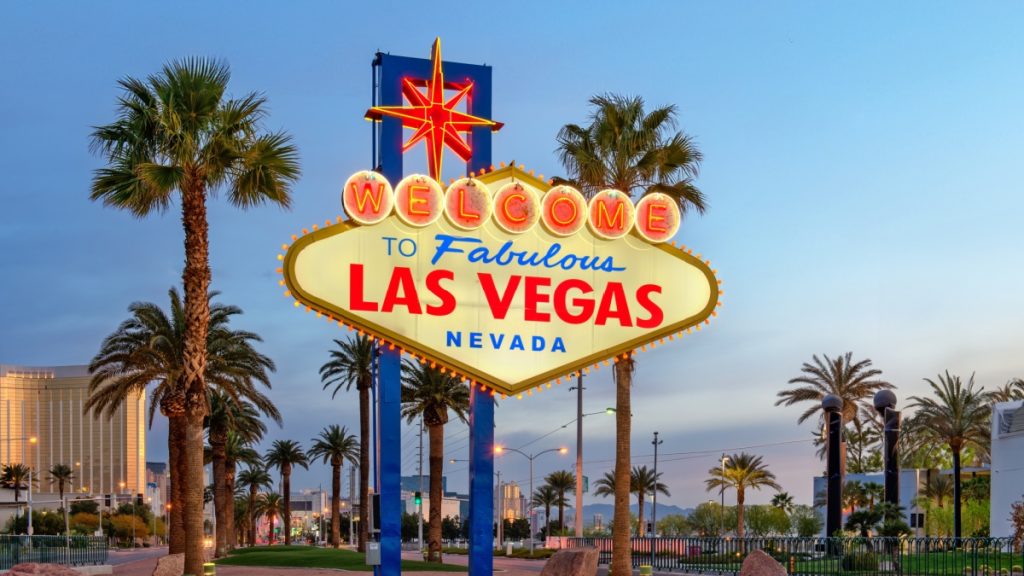
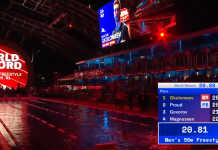
The inaugural Enhanced Games will take place from 21–24 May 2026, with the main broadcast day scheduled for 24 May 2026. All events will be hosted at a purpose-built competition complex inside Resorts World Las Vegas.
Across the four-day programme, the competition will feature swimming, track and field, weightlifting and strongman events.
Swimming will include sprint freestyle and butterfly races alongside world-record attempts. Weightlifting will feature snatch, clean & jerk and super-heavyweight categories.
There is a mix of athletes, Olympians and previously banned competitors taking place across the four days. Confirmed participants include US sprinter Fred Kerley, swimmers Kristian Gkolomeev, James Magnussen and Ben Proud and strongman Hafþór “Thor” Björnsson.