Your article was successfully posted to your social media. Want to share more? Go ahead!
image credit: Tickaroo
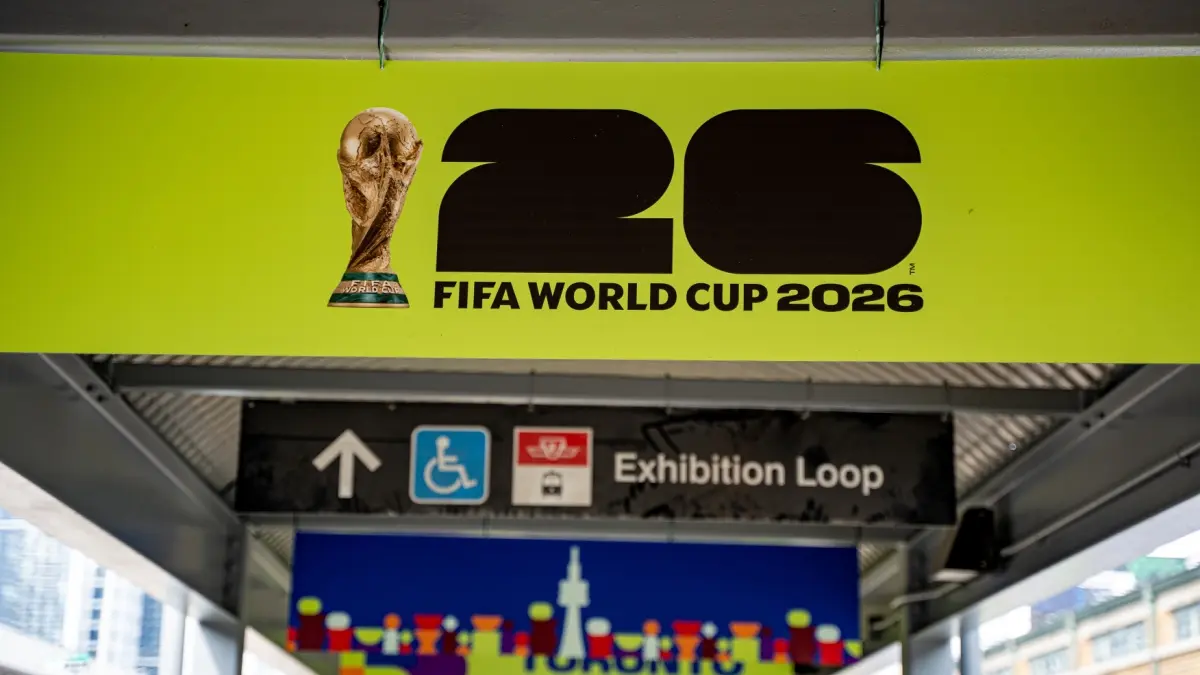
Today (11 June), the world’s-largest sporting event, the 2026 FIFA World Cup, will kick-off in Mexico City as co-hosts Mexico take on South Africa in a repeat of the 2010 World Cup curtain raiser.
The 2026 edition of the World Cup is set to become the largest to date; 48 competing teams playing across 104 games from the first group stage game, to the round of 32 knockout phase, to the final on 19 July at MetLife Stadium in New Jersey.
Therefore, the access to data, information and statistics is expected to reach record levels of demand and where speed of delivery of data would have been the standard for providers in recent World Cups, data is becoming more contextualised as fans demand a more personalised digital feed.
With World Cup debutants consisting of the likes of Uzbekistan and Curacao, fans will be keen to learn more about the players that hail from these countries and how they will perform this summer.
Naomi Owusu, CEO and Co-Founder of Tickaroo, writes for Insider Sport on why live blogging the 2026 World Cup can not only provide the instant gratification for fans to receive live updates, while also implementing value-added content to create a true World Cup experience.
The World Cup has always been about more than football; a global cultural event that transcends the sport itself.
Naomi Owusu, Tickar, CEO/Co-Founder
It creates heroes and villains, sparks conversations that stretch beyond the pitch, and gives fans a shared experience that can unite communities across continents.
That is why the tournament presents such a significant opportunity for sports publishers to engage with audiences and drive traffic. But it also arrives at a moment of profound change.
Fans today have access to more information than ever before. Scores, statistics, line-ups and breaking news are available instantly through a plethora of non-media platforms. The basic facts of a match aren’t difficult to find; they have become a commodity.
As a result, audience expectations are shifting. Fans don’t just want updates; they want experiences. The challenge for publishers is no longer how quickly they can tell audiences what happened, but how effectively they can help fans understand why it happened, what it means and how it connects to the wider story surrounding the tournament.
Building for the fan, not the feed
For decades, sports coverage was built around speed. The fastest updates offered a competitive advantage. But now that information is everywhere, and audiences no longer depend on traditional media to stay informed, what stands out now is context.
Fans want to know why a coach made a tactical change and insights into player personalities and dressing-room dynamics. They want to understand the atmosphere in the host cities and the stories unfolding beyond the ninety minutes on the pitch.
This is particularly relevant as major sporting events increasingly intersect with wider conversations around politics, identity, economics and governance. The World Cup does not exist in a vacuum, and fans know that.
Whether discussing player activism, host-nation policies, or the business of football itself, audiences increasingly expect coverage that reflects the full reality of the event rather than treating the match as an isolated spectacle.
For publishers, this creates an opportunity to move beyond transactional reporting and towards richer forms of storytelling.
image credit: JOCA_PH / Shutterstock.com
The rise of participation
The shift is not only about what fans consume but also about how they engage. Coverage is no longer a one-way experience with journalists reporting, while audiences read, watch or listen.
Modern sports fans now expect to be active participants in the conversation. They debate refereeing decisions on social media, react to team rumours in real-time and build communities around shared interests and rivalries. They contribute to content rather than simply consuming it, and increasingly expect to engage directly with tournament coverage.
Features such as polls, live comments, fan reactions and moderated discussions may appear simple on the surface, but they fundamentally change the relationship between publisher and reader. They create a sense of shared experience rather than a passive one-way broadcast.
Sport has always been social, so this matters. The excitement of a major tournament comes not only from watching the game itself but also from experiencing it alongside others. The digital environments that most effectively replicate that feeling are often the ones that keep audiences engaged for longer.
Turning coverage into an experience
The most successful live coverage today reflects this shift. Instead of functioning purely as a stream of updates, modern live formats combine breaking news, expert analysis, audience participation, social conversation, behind-the-scenes and more in-depth reporting into a single evolving experience.
Live blogs are an ideal means of achieving this. A World Cup match live blog might move seamlessly from a goal update to tactical analysis, fan reaction, a player profile and a discussion about the wider significance of the result.
The format mirrors how fans naturally follow sport. They do not separate information from conversation, analysis or emotion, but experience all of these things simultaneously, and that engagement often begins long before the match.
For many, live blogs have become a loyal companion in the days leading up to a game, offering a blend of news, insider perspectives, community discussion, and anticipation that keeps them connected long before and after kick-off and the final whistle.
This is where publishers have a unique advantage. Technology platforms can distribute information quickly, but publishers can provide interpretation, context and trusted journalism. When combined with interactive elements, those strengths become even more powerful.
image credit: Tickaroo
Lessons from the Super Bowl
Evidence of this shift can already be seen across other major sporting events. During this year’s Super Bowl, German sports publisher Kicker, together with football-world.news, quartermedia and DKB, ran a sponsored live blog that combined real-time reporting with audience participation, polls and fan interaction over several days of coverage.
The live blog achieved a 62% interaction rate, with 83% of interactions tied directly to content engagement. Fans contributed more than 4,000 active responses through polls and reactions, while participation peaked around key moments leading up to and during the game.
The commercial impact was equally significant. The standalone live blog page generated a click-through rate 100 times higher than embedded article placements, highlighting how dedicated live storytelling environments can create stronger audience attention and more valuable sponsorship opportunities.
The activation also extended beyond digital channels. Two fans and two editors followed the game live from Santa Clara, helping bring the online community closer to the atmosphere and experience surrounding the event itself.
What made the coverage effective was not the volume of updates, but the sense that the audience was participating in a shared event rather than consuming a stream of information.
A defining moment for sports publishers
The 2026 World Cup is generating enormous global attention, yet attention alone is not enough to guarantee success. The publishers that stand out will be those that recognise how fan expectations have evolved.
Audiences still want speed and accuracy, but they also want context, authenticity and participation. They want coverage that feels human, access to the stories behind the headlines, and, most importantly, to feel part of the experience itself.
By creating coverage that reflects how fans actually engage with sport today, publishers can strengthen loyalty, increase engagement and build deeper audience relationships that last beyond the final whistle.
The World Cup may still be one of the biggest events in global sport, but the future of sports media will belong to the organisations that understand a simple truth: fans are not just looking for information; they are looking for connection.











Beyond the Scoreline: How fan expectations are reshaping World Cup coverage
You’ve shared it!
Today (11 June), the world’s-largest sporting event, the 2026 FIFA World Cup, will kick-off in Mexico City as co-hosts Mexico take on South Africa in a repeat of the 2010 World Cup curtain raiser.
The 2026 edition of the World Cup is set to become the largest to date; 48 competing teams playing across 104 games from the first group stage game, to the round of 32 knockout phase, to the final on 19 July at MetLife Stadium in New Jersey.
Therefore, the access to data, information and statistics is expected to reach record levels of demand and where speed of delivery of data would have been the standard for providers in recent World Cups, data is becoming more contextualised as fans demand a more personalised digital feed.
With World Cup debutants consisting of the likes of Uzbekistan and Curacao, fans will be keen to learn more about the players that hail from these countries and how they will perform this summer.
Naomi Owusu, CEO and Co-Founder of Tickaroo, writes for Insider Sport on why live blogging the 2026 World Cup can not only provide the instant gratification for fans to receive live updates, while also implementing value-added content to create a true World Cup experience.
The World Cup has always been about more than football; a global cultural event that transcends the sport itself.
It creates heroes and villains, sparks conversations that stretch beyond the pitch, and gives fans a shared experience that can unite communities across continents.
That is why the tournament presents such a significant opportunity for sports publishers to engage with audiences and drive traffic. But it also arrives at a moment of profound change.
Fans today have access to more information than ever before. Scores, statistics, line-ups and breaking news are available instantly through a plethora of non-media platforms. The basic facts of a match aren’t difficult to find; they have become a commodity.
As a result, audience expectations are shifting. Fans don’t just want updates; they want experiences. The challenge for publishers is no longer how quickly they can tell audiences what happened, but how effectively they can help fans understand why it happened, what it means and how it connects to the wider story surrounding the tournament.
Building for the fan, not the feed
For decades, sports coverage was built around speed. The fastest updates offered a competitive advantage. But now that information is everywhere, and audiences no longer depend on traditional media to stay informed, what stands out now is context.
Fans want to know why a coach made a tactical change and insights into player personalities and dressing-room dynamics. They want to understand the atmosphere in the host cities and the stories unfolding beyond the ninety minutes on the pitch.
This is particularly relevant as major sporting events increasingly intersect with wider conversations around politics, identity, economics and governance. The World Cup does not exist in a vacuum, and fans know that.
Whether discussing player activism, host-nation policies, or the business of football itself, audiences increasingly expect coverage that reflects the full reality of the event rather than treating the match as an isolated spectacle.
For publishers, this creates an opportunity to move beyond transactional reporting and towards richer forms of storytelling.
The rise of participation
The shift is not only about what fans consume but also about how they engage. Coverage is no longer a one-way experience with journalists reporting, while audiences read, watch or listen.
Modern sports fans now expect to be active participants in the conversation. They debate refereeing decisions on social media, react to team rumours in real-time and build communities around shared interests and rivalries. They contribute to content rather than simply consuming it, and increasingly expect to engage directly with tournament coverage.
Features such as polls, live comments, fan reactions and moderated discussions may appear simple on the surface, but they fundamentally change the relationship between publisher and reader. They create a sense of shared experience rather than a passive one-way broadcast.
Sport has always been social, so this matters. The excitement of a major tournament comes not only from watching the game itself but also from experiencing it alongside others. The digital environments that most effectively replicate that feeling are often the ones that keep audiences engaged for longer.
Turning coverage into an experience
The most successful live coverage today reflects this shift. Instead of functioning purely as a stream of updates, modern live formats combine breaking news, expert analysis, audience participation, social conversation, behind-the-scenes and more in-depth reporting into a single evolving experience.
Live blogs are an ideal means of achieving this. A World Cup match live blog might move seamlessly from a goal update to tactical analysis, fan reaction, a player profile and a discussion about the wider significance of the result.
The format mirrors how fans naturally follow sport. They do not separate information from conversation, analysis or emotion, but experience all of these things simultaneously, and that engagement often begins long before the match.
For many, live blogs have become a loyal companion in the days leading up to a game, offering a blend of news, insider perspectives, community discussion, and anticipation that keeps them connected long before and after kick-off and the final whistle.
This is where publishers have a unique advantage. Technology platforms can distribute information quickly, but publishers can provide interpretation, context and trusted journalism. When combined with interactive elements, those strengths become even more powerful.
Lessons from the Super Bowl
Evidence of this shift can already be seen across other major sporting events. During this year’s Super Bowl, German sports publisher Kicker, together with football-world.news, quartermedia and DKB, ran a sponsored live blog that combined real-time reporting with audience participation, polls and fan interaction over several days of coverage.
The live blog achieved a 62% interaction rate, with 83% of interactions tied directly to content engagement. Fans contributed more than 4,000 active responses through polls and reactions, while participation peaked around key moments leading up to and during the game.
The commercial impact was equally significant. The standalone live blog page generated a click-through rate 100 times higher than embedded article placements, highlighting how dedicated live storytelling environments can create stronger audience attention and more valuable sponsorship opportunities.
The activation also extended beyond digital channels. Two fans and two editors followed the game live from Santa Clara, helping bring the online community closer to the atmosphere and experience surrounding the event itself.
What made the coverage effective was not the volume of updates, but the sense that the audience was participating in a shared event rather than consuming a stream of information.
A defining moment for sports publishers
The 2026 World Cup is generating enormous global attention, yet attention alone is not enough to guarantee success. The publishers that stand out will be those that recognise how fan expectations have evolved.
Audiences still want speed and accuracy, but they also want context, authenticity and participation. They want coverage that feels human, access to the stories behind the headlines, and, most importantly, to feel part of the experience itself.
By creating coverage that reflects how fans actually engage with sport today, publishers can strengthen loyalty, increase engagement and build deeper audience relationships that last beyond the final whistle.
The World Cup may still be one of the biggest events in global sport, but the future of sports media will belong to the organisations that understand a simple truth: fans are not just looking for information; they are looking for connection.