UEFA has confirmed hydration breaks won’t feature at EURO 2028, the latest of several World Cup controversies it has moved to head off ahead of its own tournament
The 2026 World Cup hydration breaks will not be used during EURO 2028, a representative from UEFA has confirmed.
The hydration breaks that have been in effect for every World Cup game in the US, Canada and Mexico so far have drawn criticism from several quarters.
Unlike FIFA, which is running breaks in every match regardless of conditions, UEFA only deploys cooling breaks once temperatures pass a set threshold — and it has no intention of changing that for its own tournament.
A UEFA spokesperson told The Telegraph recently that breaks will not be used at EURO 2028 unless temperatures in the host countries — England, Scotland, Wales and the Republic of Ireland — exceed 32 degrees Celsius.
“UEFA has no plans to change these regulations for upcoming competitions, including for the UEFA Champions League and UEFA 2028 European Championship,” the spokesperson said.
The hydration breaks at the 2026 World Cup have been criticised by players, pundits and fans for a host of reasons.
Netherlands and Liverpool captain Virgil van Dijk noticed during US broadcasts of World Cup games that the hydration breaks were being used for commercial purposes. Van Dijk believes the three-minute breaks should be used on a case-by-case basis, and admits that for the neutral watcher, “it’s also not great”.
Former England international and media pundit Alan Shearer believes the breaks kill the momentum of matches in both halves.
He pointed to the Germany–Curaçao game: Germany were 1-0 up before Curaçao equalised, only for the first-half hydration break to come into effect 30 seconds later. Germany scored twice after the restart, en route to an eventual 7-1 win, and Shearer told his co-hosts on The Rest Is Football that the break “killed (Curaçao’s) momentum”.
There were audible boos during England’s 4-2 win over Croatia at the AT&T Stadium in Arlington, Texas, for the breaks in each half. Critics also questioned whether they were necessary at the venue, which used air conditioning throughout the match.
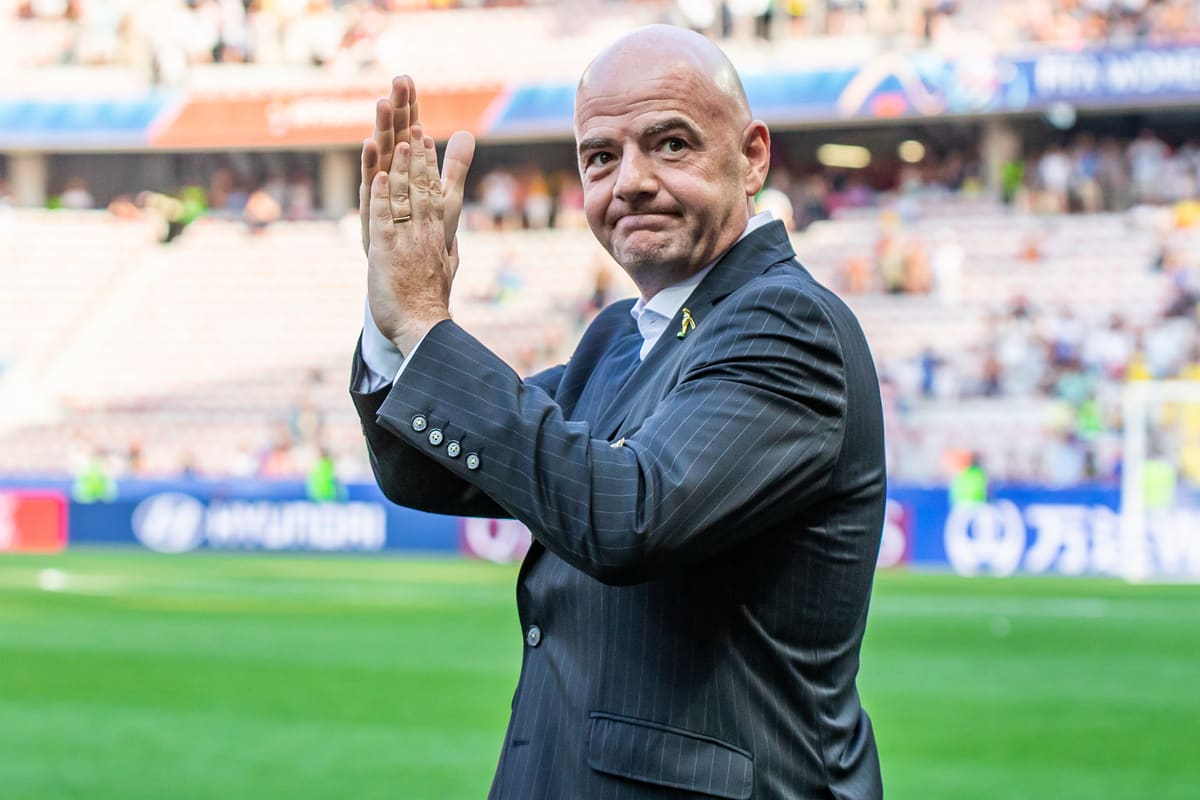
FIFA has stated that hydration breaks will be in effect for all 104 games across the 2026 World Cup in order to maintain fairness across all matches and competitors.
FIFA zigs, UEFA zags… again
UEFA has already notified footballing organisations they have hydration break rules in place but have “no plans” to enforce them for EURO 2028 in two years.
UEFA’s policy outlines in-game breaks for hydration are to come into effect “if high temperatures are expected”. This applies to games happening at 32 degrees celsius and over, and will be checked by an official pre-match using a digital wet bulb globe temperature thermometer.
This is not the first time UEFA has responded to a highly-criticised FIFA policy in connection to the 2026 World Cup.
Before the competition, Somali referee Omar Artan was denied entry into the US due to travel restrictions. A US official stated Artan was denied entry due to “association with suspected members of terror organisations”.
Shortly after this, UEFA announced Artan will be the referee for the 2026 UEFA Super Cup Final between Paris Saint-Germain and Aston Villa, becoming the first African to referee a UEFA club competition match.
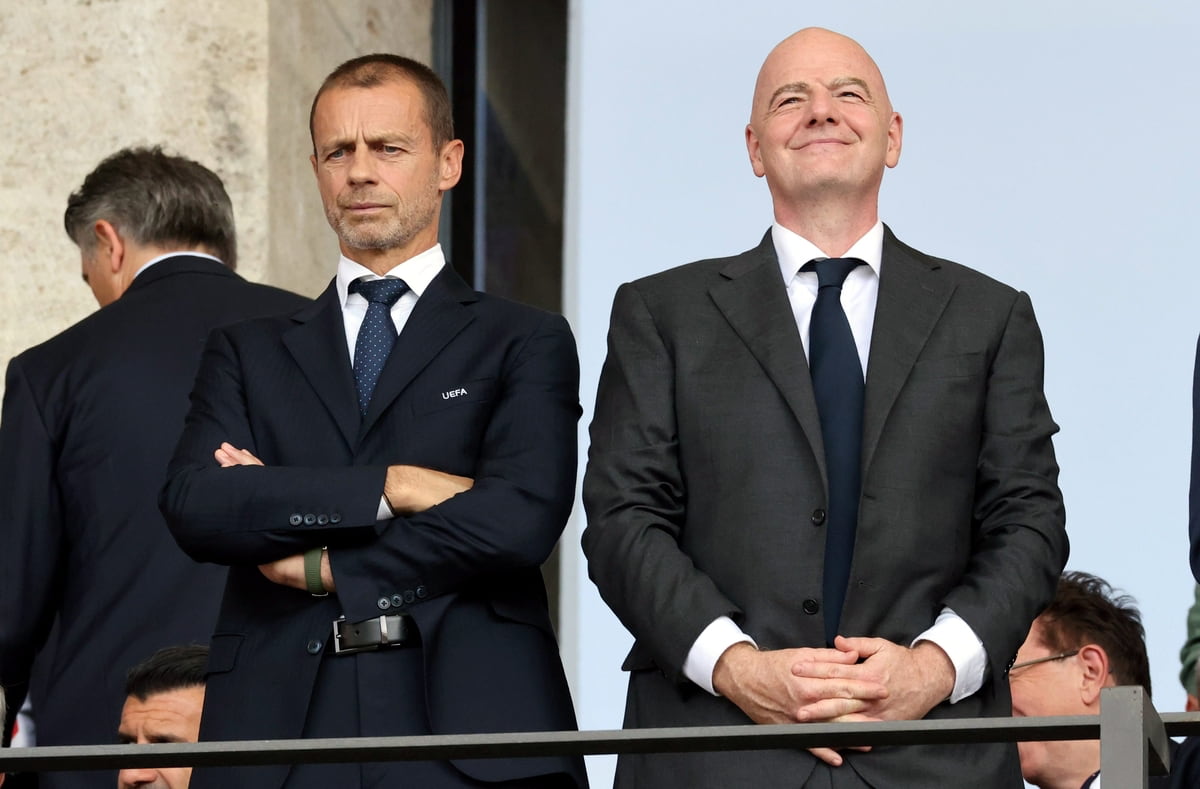
Aleksander Čeferin, President of UEFA, said: “Football is made to connect people, and UEFA wants to show its respect to Omar and his outstanding officiating skills, which had earned him such a prestigious nomination.