


Wimbledon is tightening its approach to influencer access, but with disruption largely caused by non-accredited creators, its effectiveness is brought into question.
Wimbledon has announced it doesn’t plan to roll out the red carpet for influencers in the wake of disruption at the US Open.
In recent years, content creators have gained advanced access to major sporting events through accreditation programmes.
However, the All England Lawn Tennis Club, which organises Wimbledon, has said it won’t introduce a dedicated accreditation category for influencers and will prioritise journalists and established media organisations.
The tournament is also expected to enforce existing rules around equipment that could interfere with play, including ring lights or other items deemed distracting.
Influencers will still be able to attend Wimbledon with normal tickets, but their status as content creators won’t provide a route to media accreditation.
What happened at the US Open?
Influencers have become an important marketing tool across sport and the US Open tried to tap into that audience by issuing around 100 creator credentials at this year’s tournament.
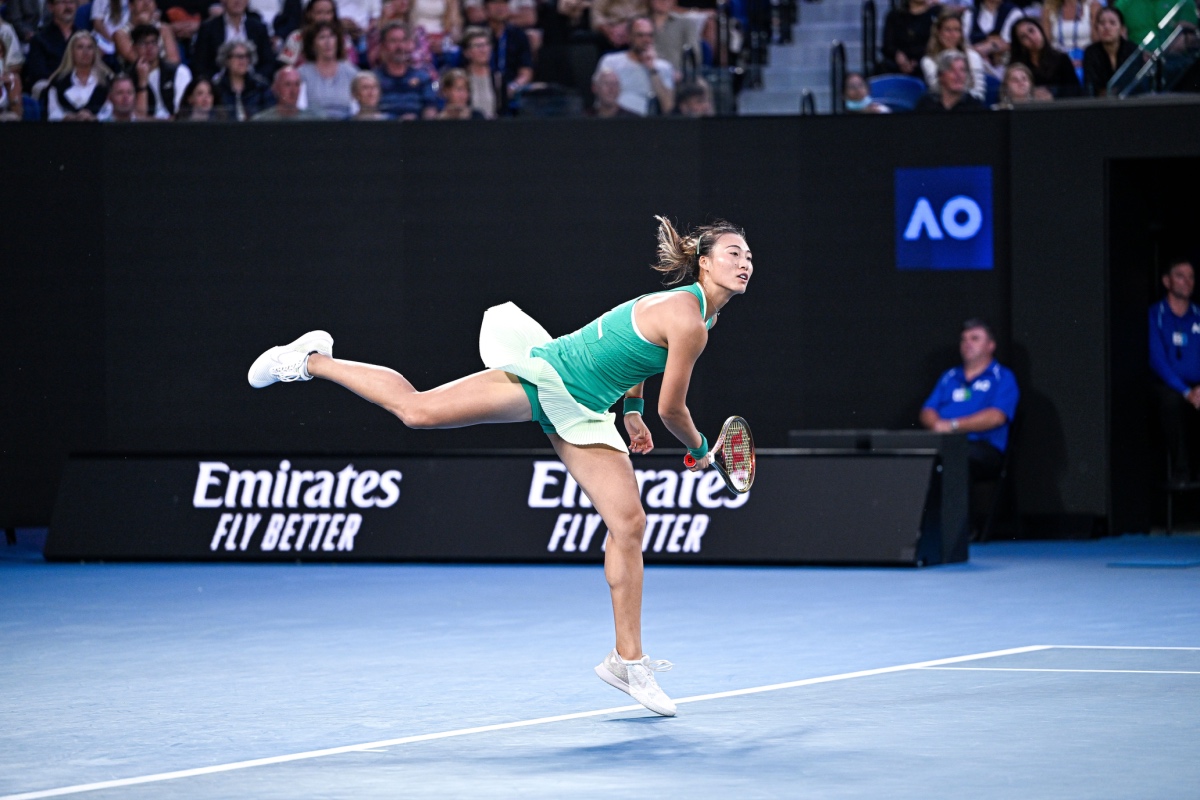
However, a debate ignited about their presence during Naomi Osaka’s first-round match against Anastasia Zakharova, when a group in a hospitality suite filmed content and made enough noise for the chair umpire to intervene.
Footage that subsequently went viral on social media showed bright lights being used from spectator areas while matches were underway.
The United States Tennis Association said the people responsible for the disruption were not part of its accredited creator programme, but this hasn’t stopped a wider discussion around how tournaments balance the benefits of social media exposure with tennis’ expectations on behaviour.
Osaka, a former world number one, acknowledged both sides of the argument, saying creators could help introduce tennis to new audiences but their presence needed to be managed.
“Overall, I think there are huge positives,” she said. “You want people to continue to grow the sport. I just think it has to be in a way that everyone knows the rules and the etiquette.”
Does Wimbledon’s influencer policy miss the point?
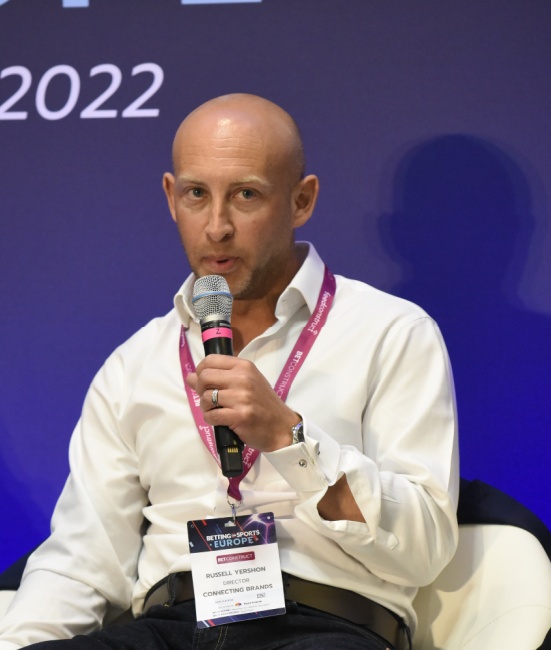
Speaking to Insider Sport in 2021, Russell Yershon, Director of Connecting Brands, pointed to social media followings as one of the major attractions of working with sporting ambassadors, allowing brands to reach an established and engaged audience through the personality involved.
The strategy has only become more prominent as clubs, leagues and tournaments compete for attention across platforms such as TikTok, Instagram and YouTube.
Creators can introduce a sport to audiences that may not follow traditional broadcasters or publications, as well as give sponsors another way to activate partnerships and generate content around events.
The problem is that the creators causing disruption aren’t necessarily working with the tournament, as was the case during Osaka’s match.
Tennis has dealt with similar incidents before, such as in 2022, when YouTuber JiDion brought a barber into the US Open and received a haircut from his seat during the quarter-final between Nick Kyrgios and Karen Khachanov.
Earlier that summer, JiDion had also been banned from Wimbledon after sounding an airhorn during the quarter-final between Novak Djokovic and Jannik Sinner, another stunt meant to attract online attention. Reports at the time said he received a lifetime ban from the All England Club.
These examples, alongside the recent disruption at the US Open, raise questions over how effective Wimbledon’s approach will be, given that many of the incidents have involved creators who weren’t accredited by the tournaments.