


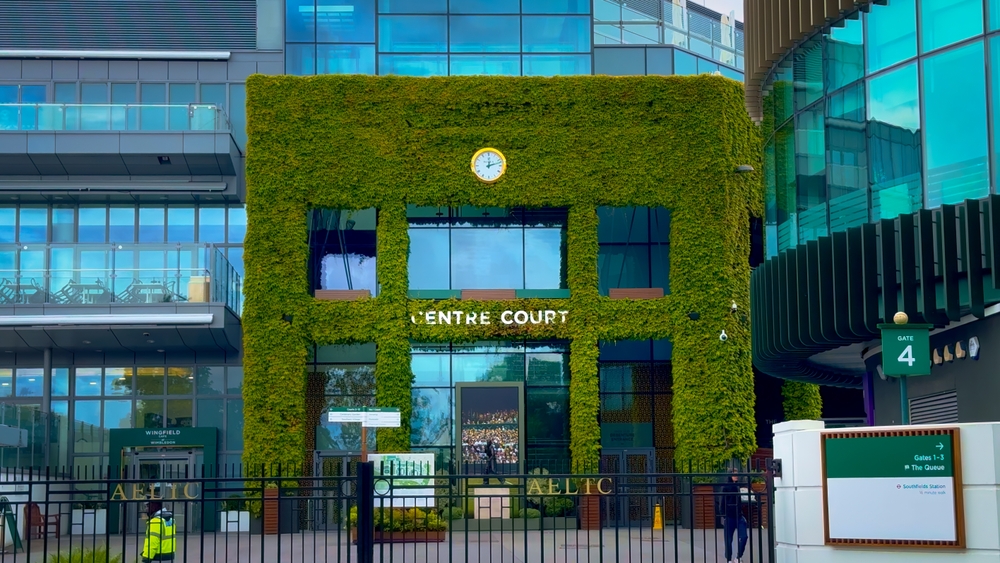
AELTC warns proposed government reforms could endanger £500m debenture revenue as BBC celebrates historic Wimbledon audience numbers
Wimbledon 2025 may have set a new benchmark for audience engagement, but the All England Lawn Tennis Club (AELTC) has warned that government plans to cap ticket resale prices could put the tournament’s financial model at risk.
The 157-year-old body which organises the Wimbledon Championships raised concerns in response to the UK government’s consultation on ticketing reforms, which include proposals to cap resale prices to protect consumers from touting and inflated mark-ups.
While the AELTC supports the spirit of the consultation, according to reports by the Financial Times, it has asked for an exemption for its unique debenture ticketing programme – a longstanding system that generates hundreds of millions in reinvestment revenue.
Fiona Canning, associate director of finance and debentures at the AELTC, told the Financial Times that more than $672.27m (£500m) had been raised from debenture sales over the past decade, all of which was reinvested into maintaining and developing Wimbledon’s world-class facilities.
“The club would work with the government to ensure that any new regulations are considered carefully and do not lead to any unintended consequences for Wimbledon’s debenture programme,” Canning said.
How Wimbledon tickets work — and why debentures matter
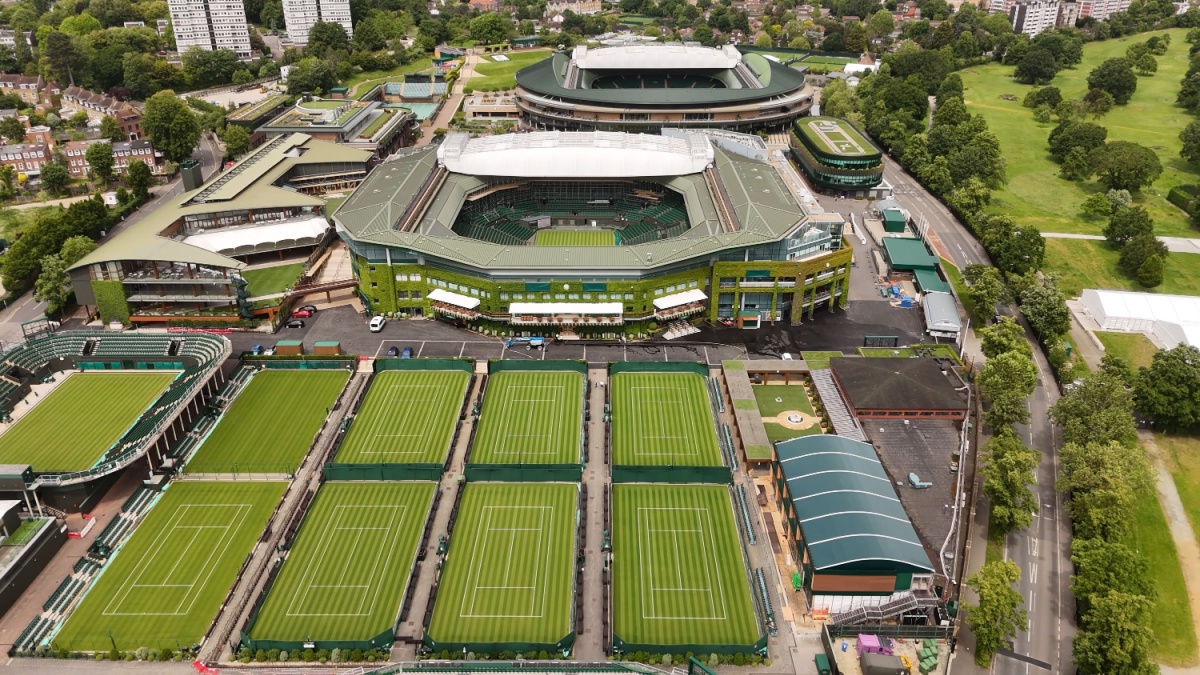
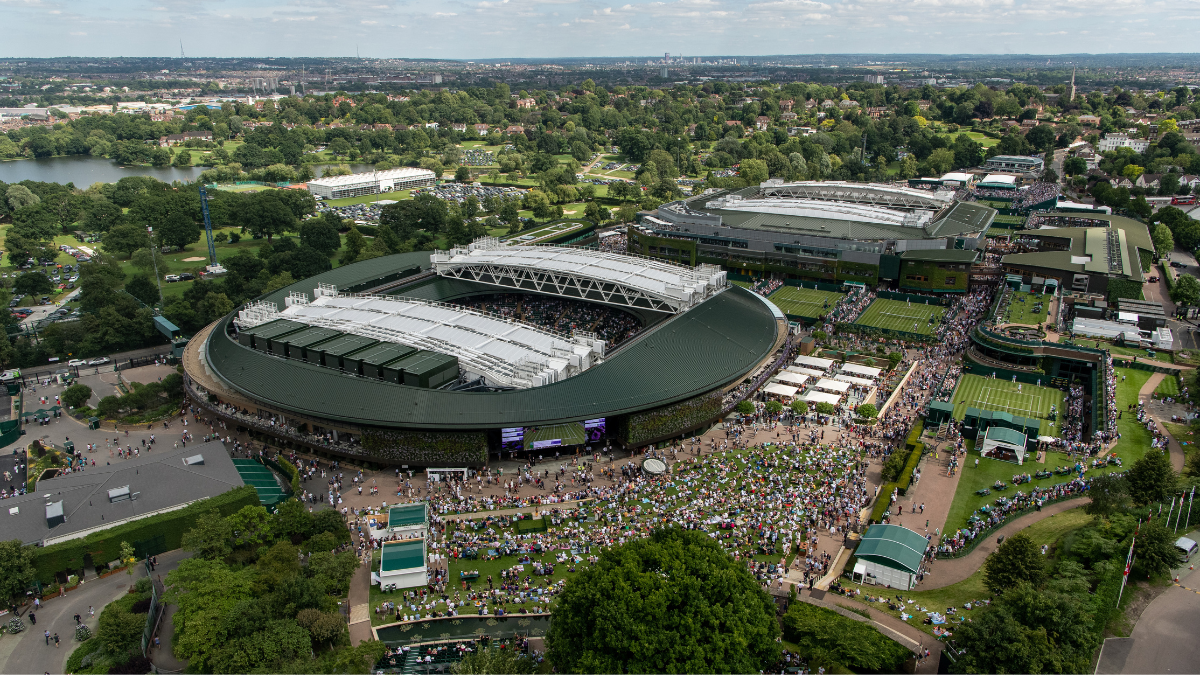
Wimbledon operates a multi-channel ticketing model, including public ballots, on-site queues, hospitality packages, and ticket partners. However, a substantial share of prime seating on Centre Court and No.1 Court is allocated via debentures; a unique investment mechanism dating back to 1920.
Debenture holders purchase a multi-year licence, granting them premium seats across the full tournament. These tickets are the only Wimbledon seats legally eligible for resale, with the secondary trading platform authorised by the AELTC. This tradability is a key part of the debenture’s value proposition and incentivises buyers at the point of primary sale.
In the most recent issue, Centre Court debentures for the 2026–2030 period were priced at £121,000, equating to approximately £1,860 per ticket. However, resale prices for high-profile matches – including finals and Centre Court showdowns – can reach anywhere from £5,000 to £10,000 per seat.
Any legislative cap on resale, potentially at or near face value, could drastically reduce the attractiveness of purchasing debentures in the first place.
The AELTC has suggested a compromise in the form of an “authorised resale” category, which would preserve price flexibility for regulated programmes such as debentures while still targeting exploitative resale behaviour elsewhere in the market.
“While the aim of protecting consumers is absolutely right, imposing a cap on resale prices risks driving ticketing activity underground, exposing fans to greater fraud risks and stripping protections offered by regulated secondary market platforms,” says Rob Wilson, Professor of Applied Sport Finance at UCFB.
“We’ve seen clear evidence from markets like Ireland and Victoria, Australia, that price caps don’t stop touts but simply push buyers into unregulated spaces where scams are rife.”
“A blunt price cap could also damage the financial ecosystem of live events in the UK, particularly where resale revenues directly support sporting infrastructure and grassroots investment. Wimbledon’s debenture model is a prime example where restricting the resale value of debentures could undermine long-term funding for one of Britain’s most iconic sporting institutions. The risk here is that well-meaning regulation ends up harming both fans and the sports they love.”
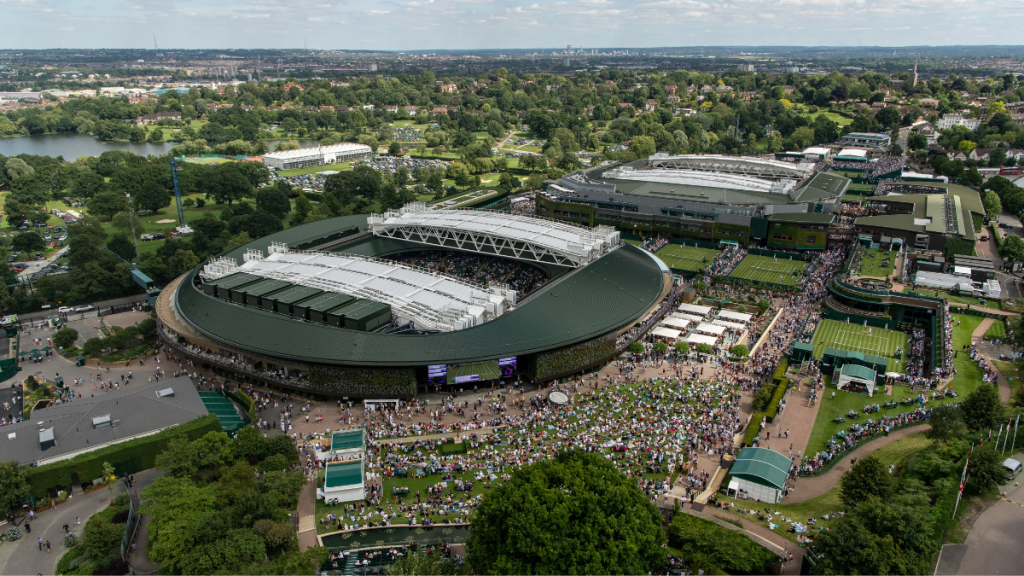
BBC sees record-breaking digital engagement
While the AELTC flagged concerns over the future of funding, Wimbledon 2025 underscored its enduring appeal among fans. According to the BBC, this year’s tournament attracted 69.3 million online requests via BBC iPlayer, the BBC Sport website, and the BBC Sport app – a record for Wimbledon and a significant increase from 50.1 million in 2024.
The men’s singles final between Carlos Alcaraz and Jannik Sinner drew a peak audience of 8.8 million viewers, including 8.3 million on BBC One, up from 7.5 million last year. The women’s final, which saw Iga Świątek defeat Amanda Anisimova to win her first Wimbledon title, peaked at 4.1 million TV viewers, alongside over 1 million online streams.
Emma Raducanu’s third-round match against Aryna Sabalenka was another standout moment, drawing 5 million peak TV viewers, the third-highest peak for a non-final match in four years.
“This year’s record-breaking digital figures for Wimbledon are testament to the huge appeal of the sport amongst audiences and the power of digital innovation to bring both new and existing fans closer to the action than ever before,” said Alex Kay-Jelski, Director of BBC Sport.
“The way people are following Wimbledon is changing, but that is exciting for us as we look to tell the best stories in different ways.”
Resale policy review looms as popularity soars
The UK government launched its consultation on ticket resale reform in January, aiming to “clamp down on exploitative practices” in the live events market. Measures under review include a cap on resale prices (ranging from face value to a 30% premium), limits on the number of resales per individual, and tighter oversight of dynamic pricing practices.
While no final decision has been announced, the Department for Business and Trade and the Department for Culture, Media and Sport confirmed that responses are being reviewed and a policy update is expected “soon”.
The AELTC relies on debenture revenues not just for operating income but for the long-term capital investments that underpin its global prestige, including the modernisation of its courts, digital broadcast upgrades, and ongoing plans for a significant site expansion at Wimbledon Park.