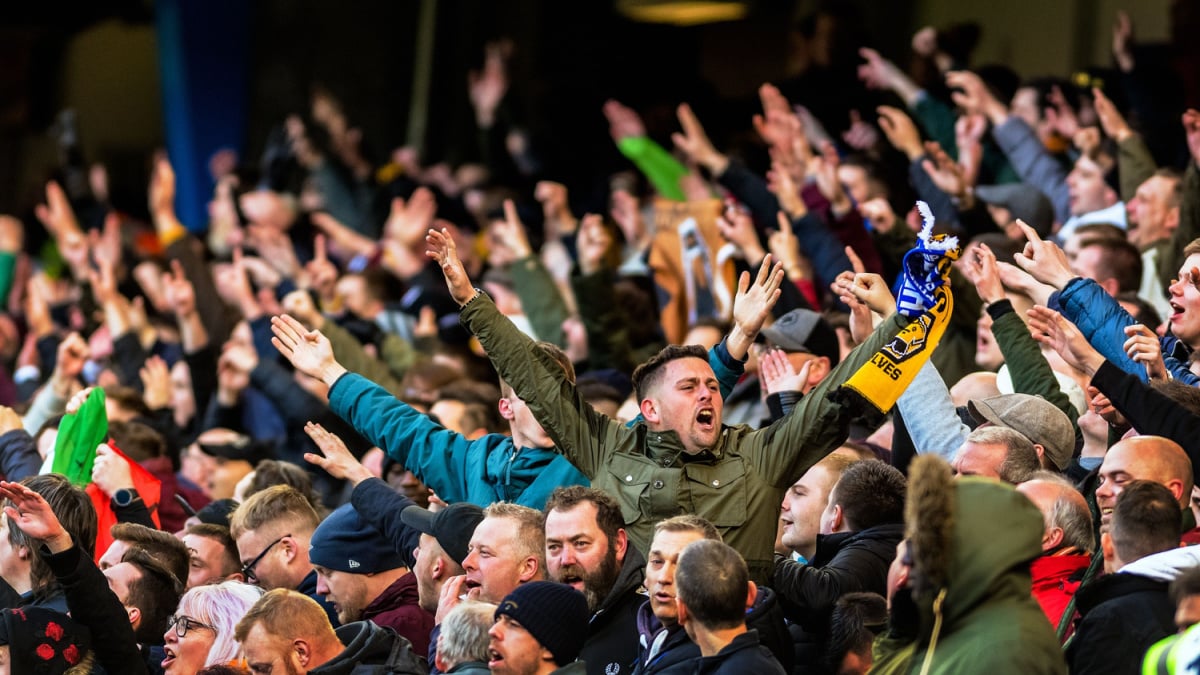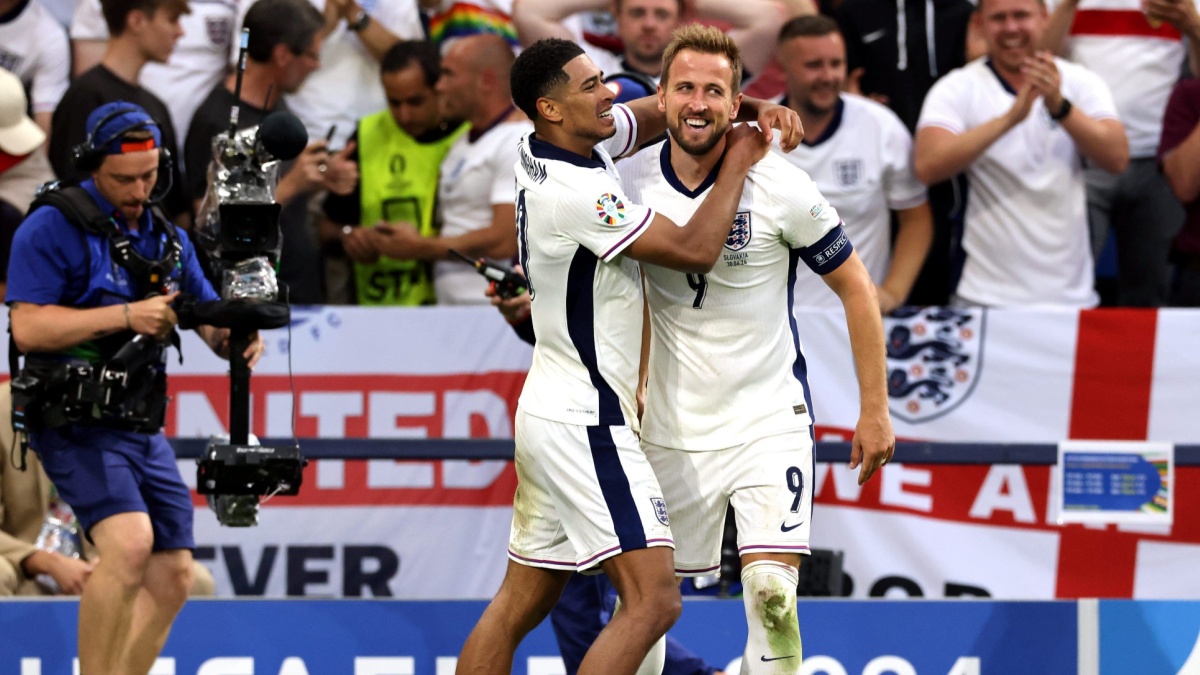



Liberal Democrat MPs have proposed to make 10 Premier League games free-to-air as part of the Football Governance Bill.
The proposed amendment to the Bill which is currently being reviewed in the House of Commons, seeks to make England’s top-flight football league more accessible to viewers by stripping back the paywall behind the two exclusive domestic broadcasters of the league; Sky Sports and TNT Sports.
In addition to its 10 game free-to-air proposals, Lib Dem MPs are also pushing for the League Cup Final, Championship, League One, and League Two Play-Off Finals also to become free-to-air.
Sky Sports currently own the exclusive rights for the English Football League (EFL) and renewed its agreement last year in a new five-year deal. Sky Sports also made 3pm kick-offs available to watch on its platforms for the first two weeks of the upcoming 2025/26 season, bypassing the 3pm blackout rule.
Max Wilkinson MP, Lib Dem spokesperson for the Department of Culture, Media and Sport said: “I’m urging MPs of all stripes to back our amendment to tear down the paywall and make Premier League games available on free to air channels.
“For too long, the jewel in the crown of British football has been locked behind an expensive barrier that keeps fans out while lining the pockets of broadcasters.
“That must end today with a free-to-air revolution that gives the Premier League back to the country.”
This is not the first time free-to-air games have been tabled in relation to this Bill having first been tabled during the Committee Stage of the legislation’s drafting. BBC revealed Lib Dem MPs believe they are confident a vote will be granted on this proposal, but it is not the only amendment the party is seeking to introduce.
More power in the hands of fans
Wilkinson also proposed a mandatory ‘golden share’ to be introduced for Premier League and EFL clubs which would enable football supporters’ trusts or organisations to hold a position of influence on club decisions.
This golden share will enable supporters organisations to hold the right to veto proposals made by the club, which could include relocation of stadiums outside its local authority area, change of the club name, change to the club badge or primary colours, and perhaps more significantly, the option to block any proposal from withdrawing from the Premier League or EFL to join a breakaway league.
The European Super League saga in 2021 was one of the main driving forces behind the establishment of the Football Governance Bill and the Independent Football Regulator, with one of the primary assurances being to block any such breakaway league from forming again.
Under the golden share proposal the Independent Regulator will monitor compliance within the decision making process and offer guidance to the supporter’s trusts, as well as impose licence confirmations but also financial penalties for non-compliance and enforcement action against clubs if they fail to uphold the rights.
Lib Dem MPs also proposed to enforce monitoring practices against secondary market ticket sales that may lead to substantial prices. This has been a growing concern amongst football fans and supporters trusts in recent months, with Manchester City and United fans holding demonstrations and protests against their clubs respective ticketing policies relating to third-party ticketing partners.
Independent MP Iqbal Mohamed proposed a monitoring process which would provide more transparent information regarding ticket pricing and resale policies, including face-value tickets and implore clubs to provide reasonable prices on their official ticket exchange sites.
Protection of players
One of the final amendments Lib Dem MPs proposed was more protection around football player welfare as the footballing calendar has become increasingly more congested.
The 2025 FIFA Club World Cup intensified discussion around player welfare due to its necessity and relevance to the traditional footballing calendar, due to being played in the US and being held after the European leagues finished their 10-month-long seasons.
Wilkinson is seeking to review considerations on the growing number of games that footballers are required to compete in each season and investigate its impact on the welfare of current and former footballers as a result.