



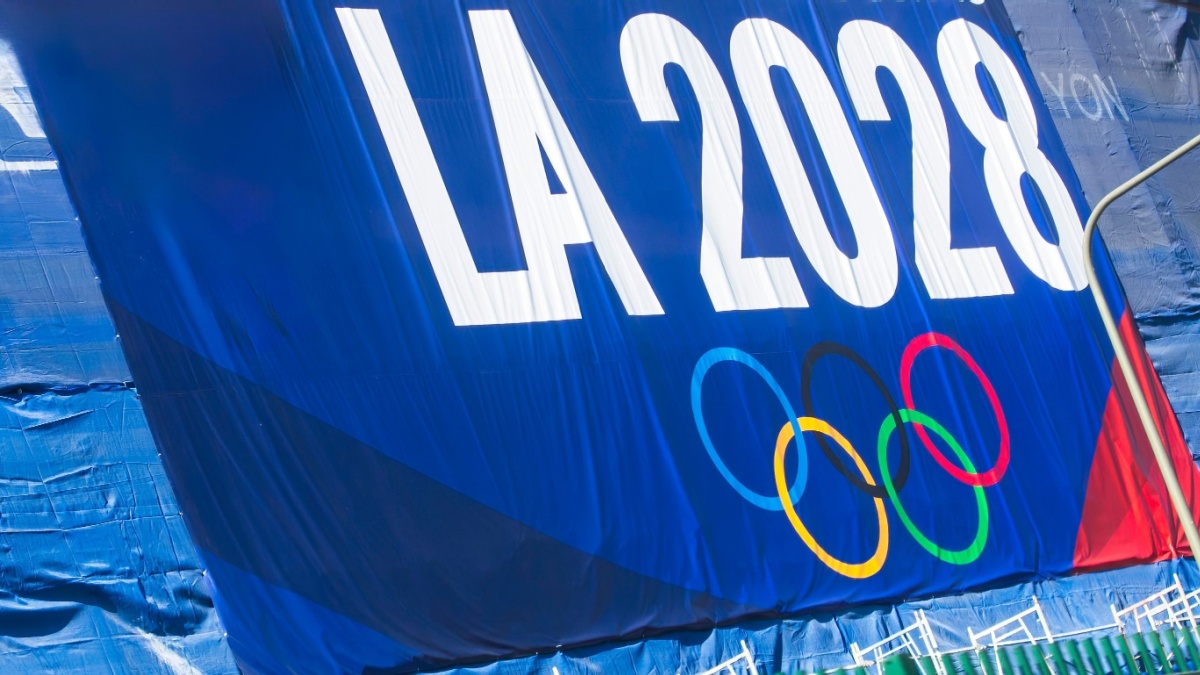
It is not a question the International Olympic Committee (IOC) poses publicly, but it is increasingly at the heart of the modern hosting landscape.
On July 15, the LA28 Organising Committee marked three years to go with a community milestone. More than one million children have now taken part in PlayLA, the youth sports programme supported by the IOC and the City of Los Angeles.
Less than a week later, the Qatar Olympic Committee confirmed the leadership of its Bid Committee for the 2036 Olympic and Paralympic Games. The appointment of Sheikh Joaan bin Hamad Al Thani and Sheikha Hind bint Hamad Al Thani signalled Qatar’s intent to build a bid rooted in national development, education and international partnerships.
The timing of these two announcements, though coincidental, reflects a broader shift. Olympic hosting is becoming less about short-term logistics and more about long-term positioning. Cities and states are using the Games to deliver social impact and define how they want to be seen on the global stage.
LA28: A community-first Olympic Games with commercial reach
The Los Angeles 2028 Olympic and Paralympic Games are already delivering measurable outcomes, three years ahead of schedule.
At the centre of that progress is PlayLA, a publicly funded youth sport initiative designed to increase access to Olympic and Paralympic disciplines for children across the city. Since its launch in 2021, the programme has recorded over one million enrolments, covering more than 40 sports, including adaptive and para disciplines.
Backed by up to $160 million from LA28 and the IOC, PlayLA shows how Olympic legacy is shifting. Instead of waiting until the Games are over, host cities are now expected to deliver social impact well before the Opening Ceremony.
Reynold Hoover, Chief Executive Officer of LA28, described the milestone as a moment to recognise the scale of progress while acknowledging the work still ahead.
“We couldn’t be more excited to mark this moment at exactly three years out,” he said. “There is so much to celebrate today with one million programme enrolments… and the first look at the Olympic competition schedule that has been meticulously developed to ensure the world’s best athletes can compete in LA.”
His comments were echoed by Los Angeles Mayor Karen Bass, who positioned the PlayLA initiative as part of a broader commitment to neighbourhood inclusion and youth development. ” “When the world comes here for these Games, we will highlight every neighbourhood as we host Games for all and work to ensure they leave a monumental legacy,” she said.
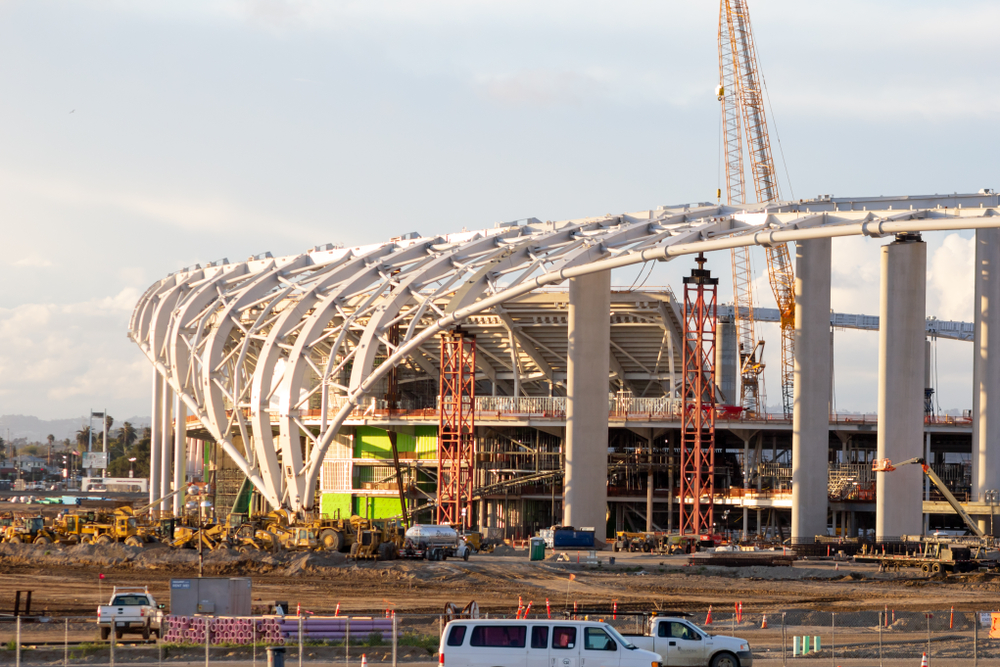
LA’s operational model builds on its Olympic legacy, with the 2028 Games set to reuse existing venues from 1932 and 1984. The Opening Ceremony will be split across two sites – the LA Memorial Coliseum and the modern 2028 Stadium in Inglewood – while events will be staged across multiple civic locations rather than within a centralised Olympic Park. In another departure from tradition, athletics will be held during the first week of the Games, while swimming will take place in the second, allowing time to convert the stadium into a 38,000-seat aquatic venue.
For rights-holders and sponsors, this localisation model offers a testbed for audience engagement in a dense, media-rich market. It also reduces the burden of new infrastructure, aligning with global expectations around climate, cost and community legacy.
Qatar 2036: A strategic bid built on state-led ambition
On July 23, the Qatar Olympic Committee (QOC) announced the leadership of its Bid Committee for the 2036 Olympic and Paralympic Games. The move formalises its entry into the International Olympic Committee’s (IOC) Continuous Dialogue process – a non-competitive engagement phase introduced to reduce the political and financial strain of traditional bidding.
Since taking over as QOC President in 2015, Sheikh Joaan has overseen a significant expansion of Qatar’s global sports presence. The country has hosted multiple world championships across athletics, swimming, gymnastics and handball, supported by a growing portfolio of venues and training facilities. He also holds senior roles in the Association of National Olympic Committees (ANOC) and contributes to the IOC’s Olympism365 Commission, which links sport to the UN Sustainable Development Goals.
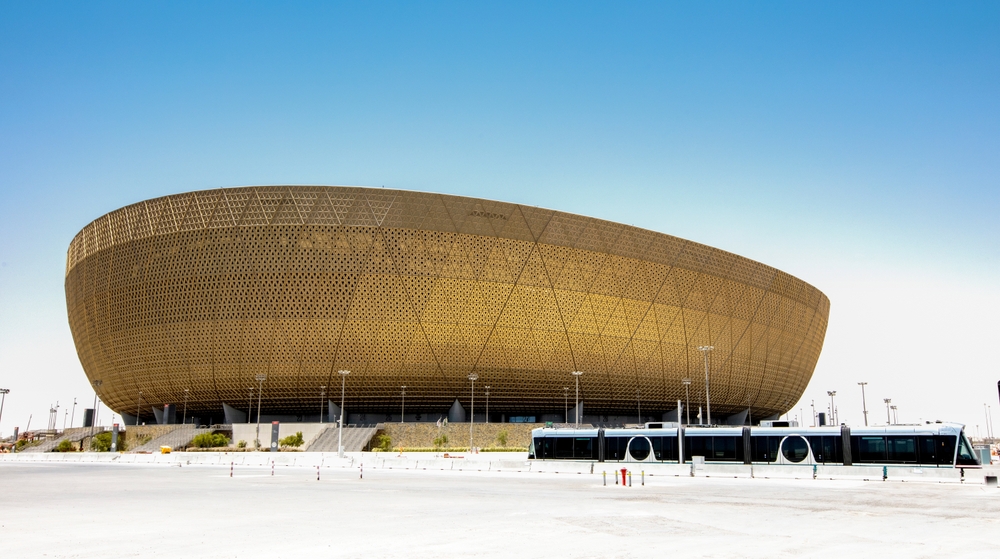
Sheikha Hind, through her leadership at Qatar Foundation and her position on the IOC’s Olympic Education Commission, has focused on expanding access to sport for women and girls in the Gulf region. The joint leadership structure allows Qatar to present a bid that blends elite event hosting experience with social investment credentials.
While no formal proposal has been submitted, the early appointment of a leadership team suggests Qatar intends to remain close to the IOC throughout the pre-selection phase. The statement accompanying the announcement described the Games as a “comprehensive national effort”, with input from sport, education, sustainability and urban planning sectors.
Qatar’s hosting ambitions remain under scrutiny following the 2022 FIFA World Cup, where international attention focused as much on labour rights and environmental claims as on tournament delivery. The Olympic bid is likely to face similar questions — but will also benefit from the infrastructure, logistical knowledge and international relationships already in place.
The IOC’s quiet influence on Olympic futures
The shift in tone and timing between Los Angeles and Qatar reflects how the International Olympic Committee has quietly reshaped the hosting model itself.
The move away from competitive bidding began after the costly and politically fraught cycles for the 2016 and 2024 Games. Under the Future Host Commission system, potential hosts now engage in what the IOC calls “Continuous Dialogue” — a non-binding process aimed at early alignment rather than public competition. This has allowed the IOC to work more closely with governments and Olympic Committees behind closed doors, guiding proposals before they reach formal stages.
It is a model that favours stability and long-term partnerships, and one that appears to reward hosts who signal early alignment with the IOC’s strategic goals. LA fits that pattern. LA was awarded the 2028 Games without a vote after Paris secured 2024.
But this approach also raises questions. The lack of transparency around selection criteria makes it harder to assess how and why decisions are made. At the same time, it creates space for well-organised national committees to build relationships early and shape the terms of engagement, often years before rival cities have entered the conversation.
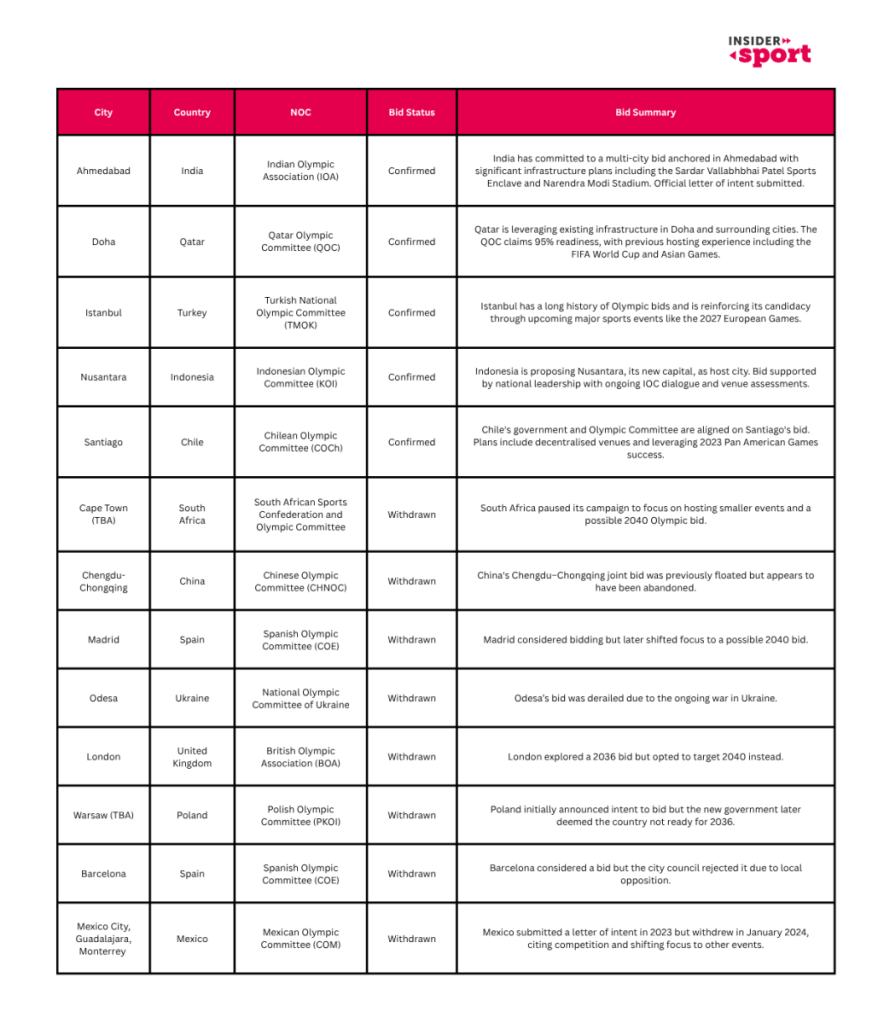
As interest in hosting the 2036 Games grows – with India, Indonesia, Turkey, Germany, and others in exploratory phases – the IOC’s influence over who enters, and how, is more significant than ever.
The games behind the games
The US is fast becoming the centre of the global sports calendar. By 2028, it will have hosted or committed to host the FIFA World Cup, Copa América, Club World Cup, Formula 1 grands prix, and the Olympic and Paralympic Games – not to mention multiple major league finals and international friendlies.
It offers the infrastructure, audience, media market and commercial appetite that governing bodies value most. LA28 is part of that momentum, packaged in the language of civic pride and delivered with minimal friction.
Qatar, by contrast, remains one of the most polarising names in sport. Its record on labour rights, press freedom, and gender equality drew international criticism during the 2022 FIFA World Cup, even as its logistics and presentation were widely praised. With a strong Olympic pitch now underway, the question shouldn’t focus on whether Qatar can host but whether it should.
The IOC insists it is values-driven. Yet its current model of silent selection and long-term dialogue allows powerful states to enter early, build influence, and shape narratives. Nations with democratic checks and media scrutiny tend to arrive later, or not at all.
If Olympic hosting is about more than technical ability then the process must reflect that. Until it does, the Olympic Movement will continue to favour those who know how to play the game behind closed doors.
September 15 will see SBC organise a ground breaking charity football event in Lisbon. Make sure you get the chance to see some of the most legendary names in football by securing your ticket today at https://www.legendscharitygame.com/



