


Bayern Munich and the Rwanda Development Board have redefined their partnership around the Kigali youth academy, moving away from the Visit Rwanda sponsorship after criticism over Rwanda’s alleged role in the DRC conflict.
FC Bayern Munich and the Rwanda Development Board (RDB) have “redefined their relationship” with a three-year agreement centred on the expansion of the FC Bayern Youth Academy in Kigali.
The new agreement shifts the focus from commercial tourism promotion to football development until 2028.
The deal marks what both parties describe as a “strategic evolution” of their partnership, with resources now directed towards talent identification, coaching excellence, and sports infrastructure in Rwanda.
The Kigali academy has already begun to make its mark on the European stage, with two promising Rwandan players, Ndayishimiye Barthazar and David Okoce, recently selected for the prestigious U19 FC Bayern World Squad.
Bayern CEO Jan-Christian Dreesen said the developmental nature of the Kigali project had been a “very special” element of the club’s ties with the RDB, adding that the shift aligns with the Bundesliga champions’ strategic aim of fostering African football talent.
“In constructive talks about our future direction, we agreed that a very special part of our relationship with RDB was the developmental nature of our work in Kigali through the FC Bayern Academy,” he said.
“We are therefore transforming our commercial partnership into a talent programme and expanding the FC Bayern Academy in Kigali together with the RDB as both a football and social initiative. This remains perfectly aligned to our strategic objective of developing playing talent in Africa.”
RDB CEO Jean-Guy Afrika described the academy’s success as evidence of what “strategic sports partnerships can achieve” and emphasised its role in Rwanda’s broader ambition to become a global hub for tourism, investment, and high-performance sport.
Original agreement criticised
The “Visit Rwanda” sponsorship, signed in 2023, was part of Rwanda’s wider nation-branding strategy, with similar agreements in place with Arsenal and Paris Saint-Germain. While it delivered prominent visibility through pitch-side advertising, shirt sleeves, and joint marketing campaigns, it also became a focal point for criticism.
Human rights groups, some Bayern supporters, and officials from the Democratic Republic of Congo (DRC) accused Rwanda of supporting the M23 rebel group, which has been implicated in ongoing violence in eastern DRC.
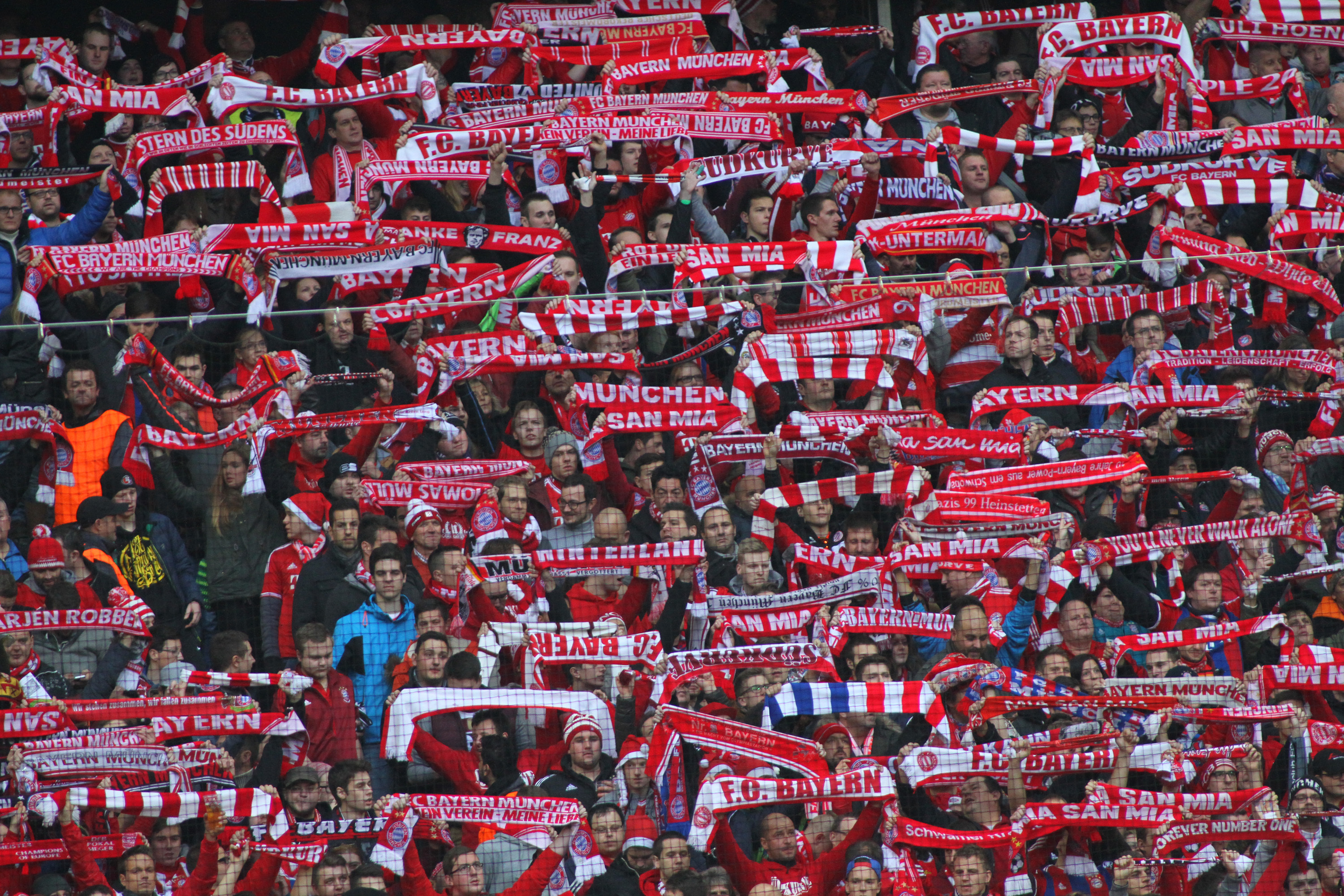
In February 2025, the DRC’s foreign minister publicly called on European clubs to sever their “Visit Rwanda” ties, while Bayern fans displayed banners at the Allianz Arena accusing the club of compromising its values.
Critics argued that the sponsorship risked sportswashing — using football to project a positive international image while drawing attention away from alleged human rights abuses and regional instability. Bayern initially defended the agreement, emphasising the benefits of cultural and sporting exchange, but the mounting pressure helped pave the way for a reassessment of the partnership’s scope.
By re-casting the arrangement as a development-focused initiative, Bayern and the RDB seek to retain their collaboration while distancing it from the reputational challenges associated with the former tourism campaign.
The move reflects a wider trend in European football and global sport, where clubs and governing bodies are recalibrating partnerships to prioritise community‑ and youth‑focused development in response to reputational pressures.
PSG extended its Visit Rwanda partnership through to 2028—but this renewal has placed greater emphasis on the PSG Academy in Rwanda, which has already offered training, mentorship, and education to over 400 young Rwandans.
Beyond football, the NBA’s expansion into Africa is built around the Basketball Africa League (BAL) and NBA Academy Africa in Senegal, initiatives designed to blend commercial growth with grassroots talent development and social impact. In motorsport, Formula 1 has invested in grassroots karting and infrastructure in Saudi Arabia, with high-profile campaigns like ‘Race 4 Women’ aiming to boost visibility and accessibility while offsetting criticism about the Kingdom’s human rights record.
Another partnership set to end?
This isn’t the first partnership the German football club has had to alter.
In 2023, Bayern Munich announced it would be ending its sponsorship agreement with Qatar Airways following long-standing backlash from fans.
Fans had been at odds with the club over the Qatar Airways deal for a number of years over concerns of human rights violations that have occurred in Qatar, which were met head-on during the 2022 FIFA World Cup.
The German national team players were also vocal of the country’s human rights issues, with current Bayern players such as captain Manuel Neuer, Joshua Kimmich, Serge Gnabry and Jamal Musiala taking part in a protest before their match with Japan.