Ethics Committee to hear case after Trondheim 2025 investigation; sanctions could include bans and disqualification
The International Ski and Snowboard Federation (FIS) has brought charges against five Norwegians connected to the men’s ski jumping team after an investigation into alleged equipment manipulation at the FIS Nordic World Ski Championships Trondheim 2025.
Head coach Magnus Brevik, assistant coach Thomas Lobben, service staff member Adrian Livelten and athletes Marius Lindvik and Johann André Forfang have been referred to the FIS Ethics Committee for adjudication.
FIS said its Independent Ethics and Compliance Office (IECO) completed a report into the allegations and, together with the FIS Integrity Department, agreed to bring charges against Brevik, Lobben and Livelten.
In line with FIS procedures, the FIS Council voted to bring charges against Lindvik and Forfang. No other individuals connected to the case will face charges, with the Council confirming those matters are closed.
How the case unfolded
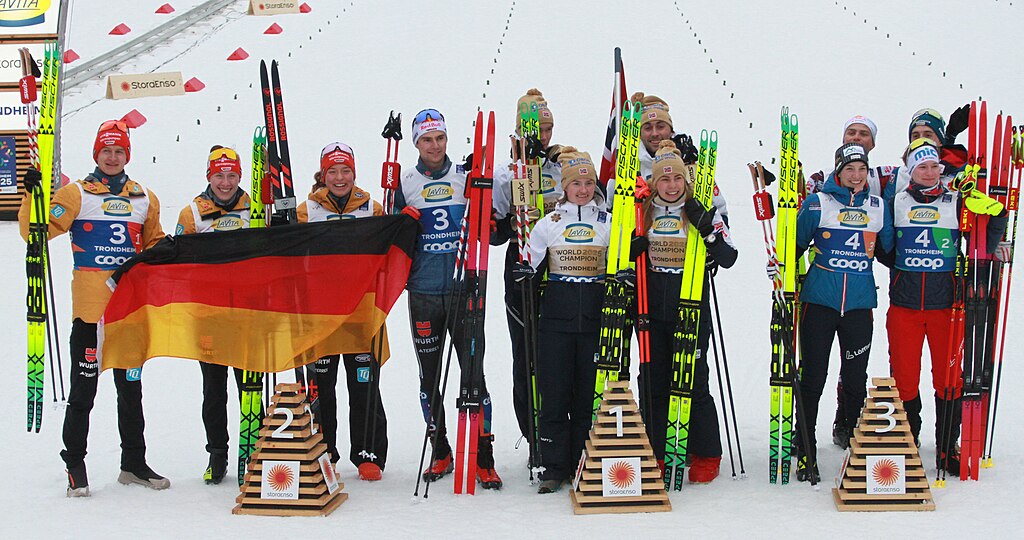
The charges follow high-profile disqualifications at Trondheim 2025, where Lindvik initially finished second and Forfang fourth in the men’s large hill before post-event equipment checks led to both being disqualified.
Norway’s federation later acknowledged manipulation of jumpsuits, while stating the athletes were not aware of the changes. Reuters reported that reinforced thread had been used in the suits, a modification that breaches FIS rules.
The initial response was swift. On March 12, 2025, FIS provisionally suspended Brevik, Lobben, Livelten, Lindvik and Forfang and seized Norwegian team suits from Trondheim across ski jumping and Nordic combined for re-inspection.
The next day, three more Norwegian jumpers were provisionally suspended after further checks, although FIS said women’s ski jumping and both men’s and women’s Nordic combined suits showed no irregularities.
Why suit compliance matters in ski jumping
Ski jumping is unusually sensitive to equipment design and fit, and FIS rules around suits are detailed. Suits must be made from uniform materials, be close-fitting at every control point and cannot be altered after pre-competition inspection and chip-marking by officials.
Any additional chemical or mechanical treatment is prohibited. The regulations are designed to prevent aerodynamic gains from tailoring or structural tweaks.
What happens next
A three-person panel of unconflicted Ethics Committee members will be appointed to run the case. The panel may convene a hearing or request written submissions, then issue a decision no later than 30 days after the hearing phase concludes. Any sanctions can include a period of ineligibility, financial penalties or disqualification of results. Parties can appeal to the Court of Arbitration for Sport.
FIS handles integrity issues through two separate bodies. The IECO operates independently to investigate potential breaches of the FIS Universal Code of Ethics and the FIS Rules on the Prevention of the Manipulation of Competitions. The FIS Ethics Committee hears and adjudicates cases and can impose suspensions, fines and disqualifications.
If violations are found, FIS will publish the full decision within 20 days of issuance, after notifying parties. If a person is fully exonerated, publication requires their consent, although the Committee may disclose that charges were dismissed. Any period of ineligibility begins on the date of publication, with credit possible for any provisional suspension served.