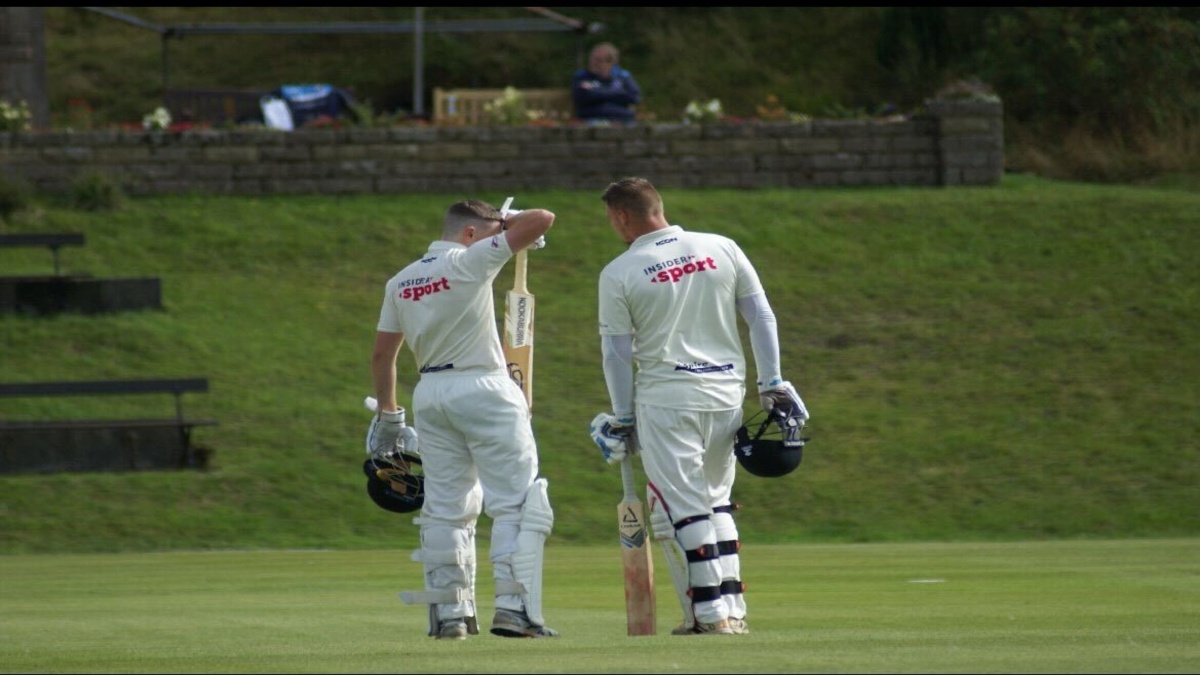



The collapse of the Max60 Caribbean cricket tournament over unpaid wages has reignited concerns about player protection in emerging leagues. Matthew Showler, Partner and Head of International Dispute Resolution at Trowers & Hamlins, speaks to Insider Sport
A growing number of professional cricketers are facing late or non-payment from tournaments – even when those competitions are sanctioned by the ICC or its member boards.
The recent collapse of the Max60 Caribbean tournament in the Cayman Islands, following a player boycott over unpaid wages, has put the spotlight on the legal and regulatory gaps that leave athletes exposed.
Insider Sport spoke to Matthew Showler, Partner and Head of International Dispute Resolution at Trowers & Hamlins, who represents affected players, to understand the legal realities and potential reforms.
From a legal standpoint, how protected are professional cricketers when signing contracts for emerging or short-format tournaments like Max60?
Players are not well protected in this area. There are no minimum contract standards for sanctioned cricket and tournament contracts often include one-sided dispute resolution clauses, typically in jurisdictions that are not favourable to the player. The cost of pursuing a dispute through these mechanisms is usually prohibitive and can often exceed the value of the unpaid amount itself.
The Max60 case highlights that the tournament was sanctioned but still failed to pay players. What is the legal significance of a tournament being sanctioned by a body like the ICC or a national board?
The ICC Sanctioning Regulations currently contain no agreed or effective mechanisms to assist players in cases of non-payment. A tournament can continue to receive ICC or ICC member sanctioning even where there are unresolved payment issues with players.
When contracts are breached in these scenarios, what practical legal avenues are open to players—particularly those based in different jurisdictions?
While it will depend on the specific contract, in general, a player would likely need to pursue arbitration to have any chance of legal recourse. This process is both costly and time-consuming, often deterring players from pursuing their claims.
Are players typically signing contracts with the tournament organisers, franchises, or governing bodies—and how does that affect their ability to claim unpaid wages?
It differs, in some cases players are signing with the tournament organiser and in others, the franchises. However, in the absence of minimum contract standards, fair and transparent dispute resolution processes, and enforcement mechanisms, the identity of the contracting party makes very little practical difference when it comes to enforcing the contract.
What are the structural safeguards missing in these emerging tournaments, and who should be responsible for enforcing them: the ICC, player unions, agents, or national boards?
There are several safeguards that could be introduced within the game to better protect players. As part of the sanctioning process, the ICC or ICC member could require the use of escrow accounts to ensure player payments are secured before a tournament begins.
Implementing minimum contract standards, and a neutral and independent dispute resolution body would also give players a fair and accessible, and efficient avenue to address payment issues. This should be linked to enforcement mechanisms like sporting and / or economic sanctions to create greater accountability and act as a deterrent.
Is there a realistic legal mechanism to compel payment from organisers based in offshore jurisdictions like the Cayman Islands?
Ultimately, it often comes down to the jurisdiction specified in the contract. Cricket is a global game, built on contracts, and increasingly, the global movement of players.
There are cricket specific regulations in place that currently enable governing bodies to exercise control the sanctioning of leagues and players within them. There should be two way protections built into these.
How does the lack of payment assurance affect the viability of these short-format leagues from a commercial and reputational standpoint?
Yes, we think players will ultimately vote with their feet, and it is likely that, over time, players will begin to avoid competitions with a history of non-payment issues.
Could player agents or associations be doing more to protect their clients upfront, or are they equally limited by the current structures?
It’s incumbent on the whole sport to do more. We know players are most protected in countries where there is a players’ association.
There is strong opposition to players’ associations in some parts of our sport and the cricket’s global leadership and regulatory frameworks currently do nothing to create a safe environment for players around the world to exercise their right to form and join players’ associations.
That needs to change.
From your experience working with affected cricketers, how has this impacted their trust in these new tournaments—and what lessons should other sports learn from this situation?
The negative publicity stemming from the growing unrest among players in these competitions reflects poorly on the sport as a whole. Upholding the integrity of the game is essential, and this includes ensuring that basic player rights are recognised and enforced in a fair and transparent manner.