



LA28 has broken Olympic precedent by introducing venue naming rights. The move marks a new commercial model for the Games, reviving debate over whether revenue innovation risks tipping the Olympics into over-commercialisation.
LA28 has approved venue naming rights for the 2028 Olympic and Paralympic Games, a first for the Olympic Movement and a clear break from the long-standing “clean venue” tradition.
The initial deals will see squash staged at the Comcast Squash Center at Universal Studios and indoor volleyball at Honda Center in Anaheim, with further opportunities expected as the organising committee builds toward 2028.
The pilot, developed with the IOC, allows qualifying LA28 and TOP partners to retain or buy names on selected venues, while clean-venue rules continue to apply elsewhere.
For LA28, which is planning a privately financed Games, naming rights add a new revenue line on top of an already ambitious domestic sponsorship target often cited at around $2.5 billion, within an overall operating budget reported at roughly $7–7.1 billion.
Organisers frame this as a practical move that aligns the Olympics with North American venue norms, improves wayfinding for fans across Greater Los Angeles, and helps protect public finances.
The pilot could also set a precedent for future hosts. Up to 19 temporary venues are eligible for naming, opening packaged inventory that can be bundled with media, hospitality and digital assets. If successful, the IOC could reuse the model; if it triggers backlash, the Movement may revert to stricter de-branding.
What LA28 has confirmed so far
- First named venues: Comcast Squash Center at Universal Studios (squash’s Olympic debut) and Honda Center (indoor volleyball).
- Eligibility and scope: Existing names can remain if the rightsholder is an LA28 or TOP partner; separate naming may be sold for temporary venues; clean-venue rules still apply for non-partners.
- Commercial stack: This sits alongside broadcasting and hospitality programmes; On Location is the IOC’s official hospitality provider for Paris 2024, LA28 and Milano-Cortina 2026, indicating how hospitality could be integrated with naming and activation.
The historical playbook
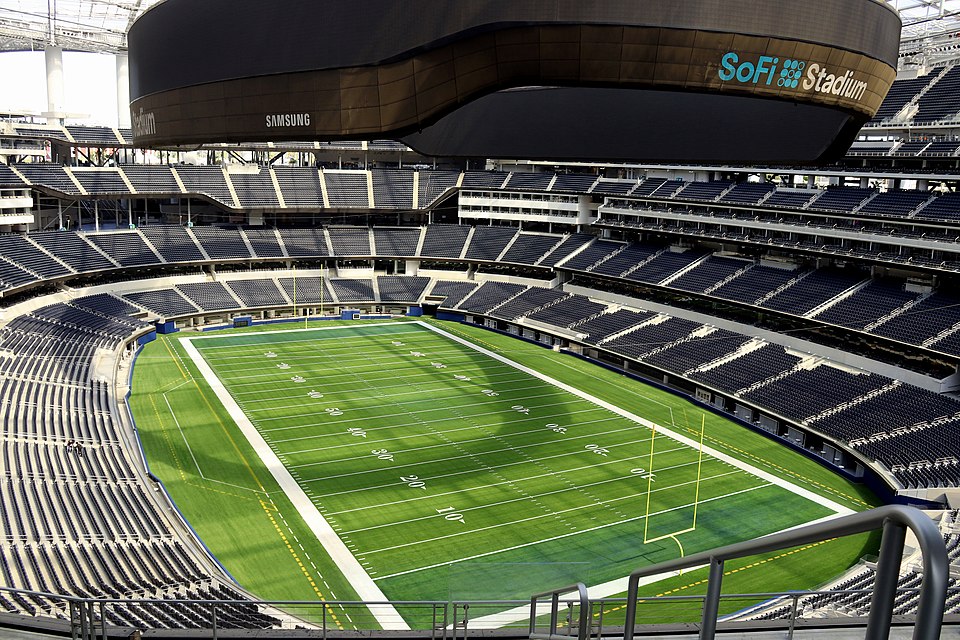
- Los Angeles 1984 – the template for private finance – LA84 pioneered a limited-partner, category-exclusive approach and heavy reliance on existing venues, producing a surplus and reshaping Olympic marketing. The success directly informed the IOC’s launch of the global TOP sponsorship programme in 1985, which remains a cornerstone of Olympic revenues.
- Barcelona 1992 – tying the Games to urban transformation – Barcelona’s model combined public and private investment to accelerate long-term regeneration, supported by a maturing Olympic marketing system in the early TOP era. While primarily a legacy-financing strategy rather than a pure revenue innovation, it demonstrated how diversified income and careful branding could underpin a broader city strategy.
- Atlanta 1996 – commercial intensity and ambush risk – Atlanta expanded sponsor and licensee footprints at scale. Financially, the model delivered, but the Games attracted sustained criticism for clutter and perceived over-commercialisation – the “Coca-Cola Games” label still lingers – while ambush activity highlighted the limits of protection in a saturated marketplace.
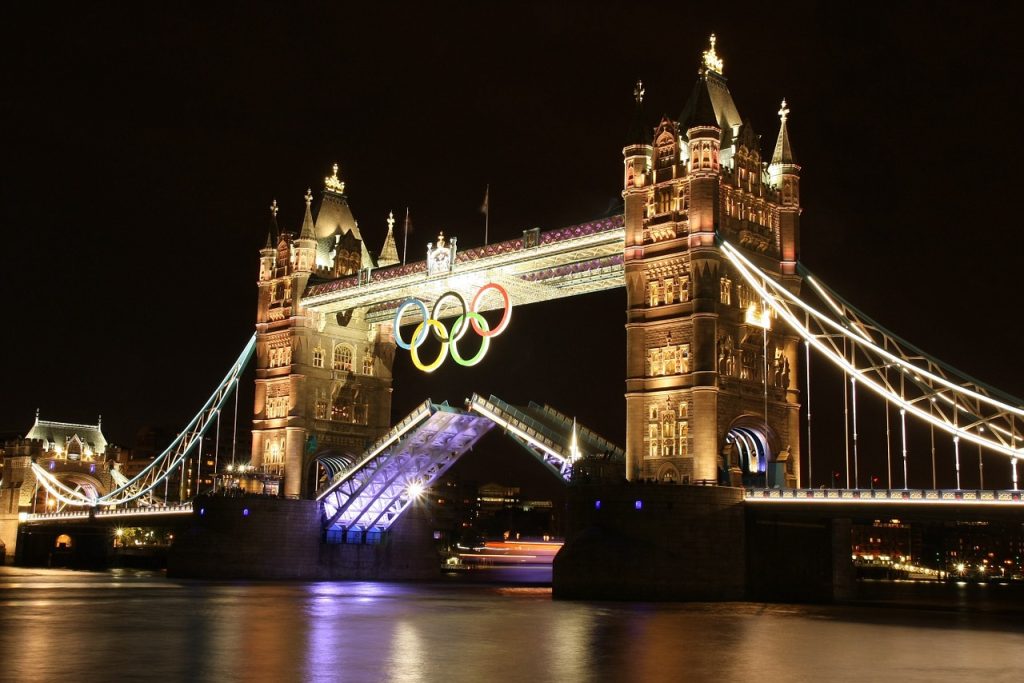
- London 2012 – rigorous brand protection, record domestic sales – London executed a tiered domestic sponsorship programme and enforced one of the strictest brand-exclusion regimes seen at a Games, including temporarily renaming The O2 to North Greenwich Arena to comply with clean-venue rules. The approach helped maximise sponsor value and sales, but drew public criticism over “brand police” tactics and the visibility limits placed on non-partners.
- Tokyo 2020 – domestic sponsorship record, pandemic headwinds – Tokyo set an Olympic record with $3.0–3.3bn in domestic sponsorship commitments. The pandemic, empty venues and later corruption scandals, however, constrained return on investment and dented long-term sentiment, with several Japanese TOP sponsors ultimately exiting after Paris 2024. The lesson was that record sales can still face value-delivery risk when external shocks hit.
- Montreal 1976 – the cautionary tale – Not a marketing failure per se, but a financing one: budget overruns left debts that took decades to retire, underscoring why modern organisers pursue diversified revenues and risk-sharing.
Is LA28 crossing a line, or updating an outdated rule?
LA28’s move flips the London 2012 logic on its head.
Instead of de-branding iconic buildings for two weeks, it invites a limited set of official partners to integrate their existing venue identities into Games-time operations, with the field of play still branding-free. That could enhance clarity for fans and broadcasters and create premium activation for partners already bankrolling the event.
The greatest risk will likely be perception. Excessive commercial presence has historically attracted criticism, notably in 1996. LA28’s pilot will be judged on proportion: how many venues are named, how signage appears in-venue and on broadcast, and whether the Olympic look and feel remains dominant.
If the balance holds, the model could become another LA-born export, like 1984’s sponsorship playbook, that future hosts adopt selectively.



