


Hospitality is helping Manchester United get more revenue from every fan, even when performances are poor.
Manchester United’s worst-ever league finish (15th) has had little impact on its financial engine, with the club posting record revenues of $909.1m (£666.5m) for 2025.
United’s record income was largely attributed to a 16.9% rise in matchday revenues to a record $218.7 m (£160.3m). The increase was driven by five additional home games compared to the previous season, including Europa League quarter-final and semi-final fixtures.
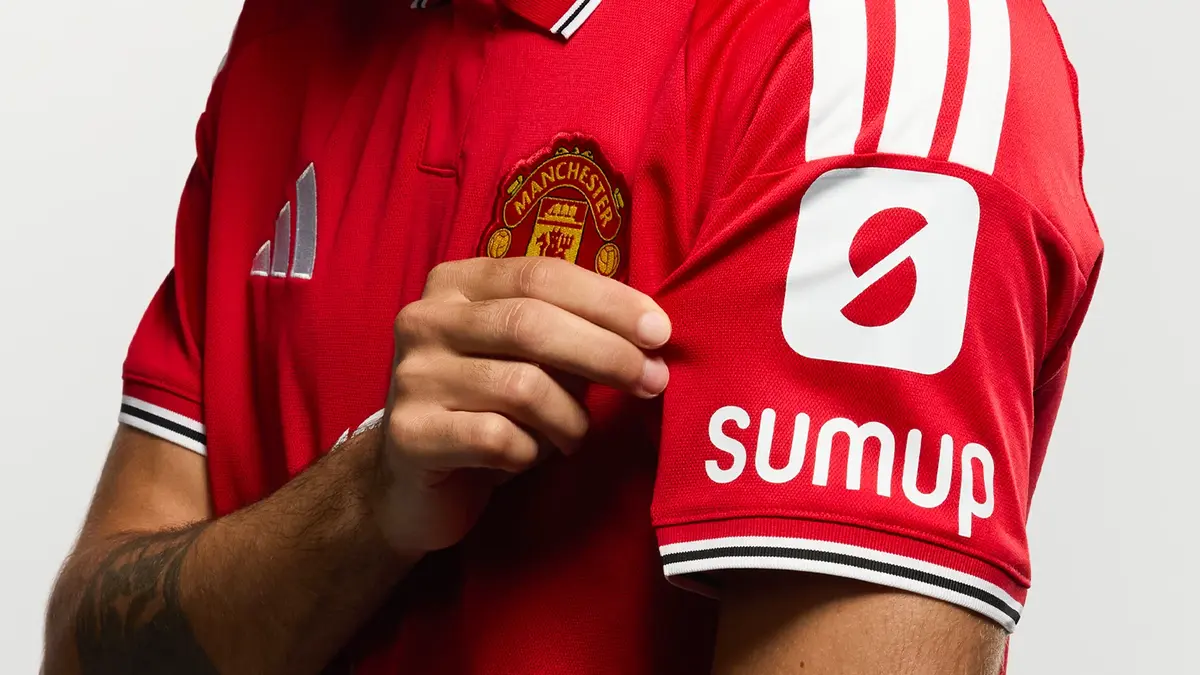
Another positive was a 10% rise in commercial revenues to $454.6 m (£333.3m), driven by the first year of its front-of-shirt sponsorship with Qualcomm’s Snapdragon. Retail and merchandising climbed nearly 16% to $197.7 m (£144.9m), helped by a new e-commerce model, while sponsorship revenues grew 6% to $257.1 m (£188.4m).
However, not all areas of the business grew. Broadcasting revenues fell 22% to $235.9 m (£172.9m), reflecting the men’s team’s participation in the Europa League rather than the Champions League, alongside a 15th-place Premier League finish.
Results still matter, but hospitality can soften the blow
Manchester United’s 15th-place finish marked the lowest in Premier League history for the club, but its commercial engine didn’t stall.
On the surface, it may seem the club doesn’t need strong performances to make money, but qualifying for the Europa League was a key factor in generating record revenues.
United’s global profile and large stadium cushion them more than clubs like Aston Villa or Brighton. However, the figures highlight that results continue to form the foundation of revenue potential.
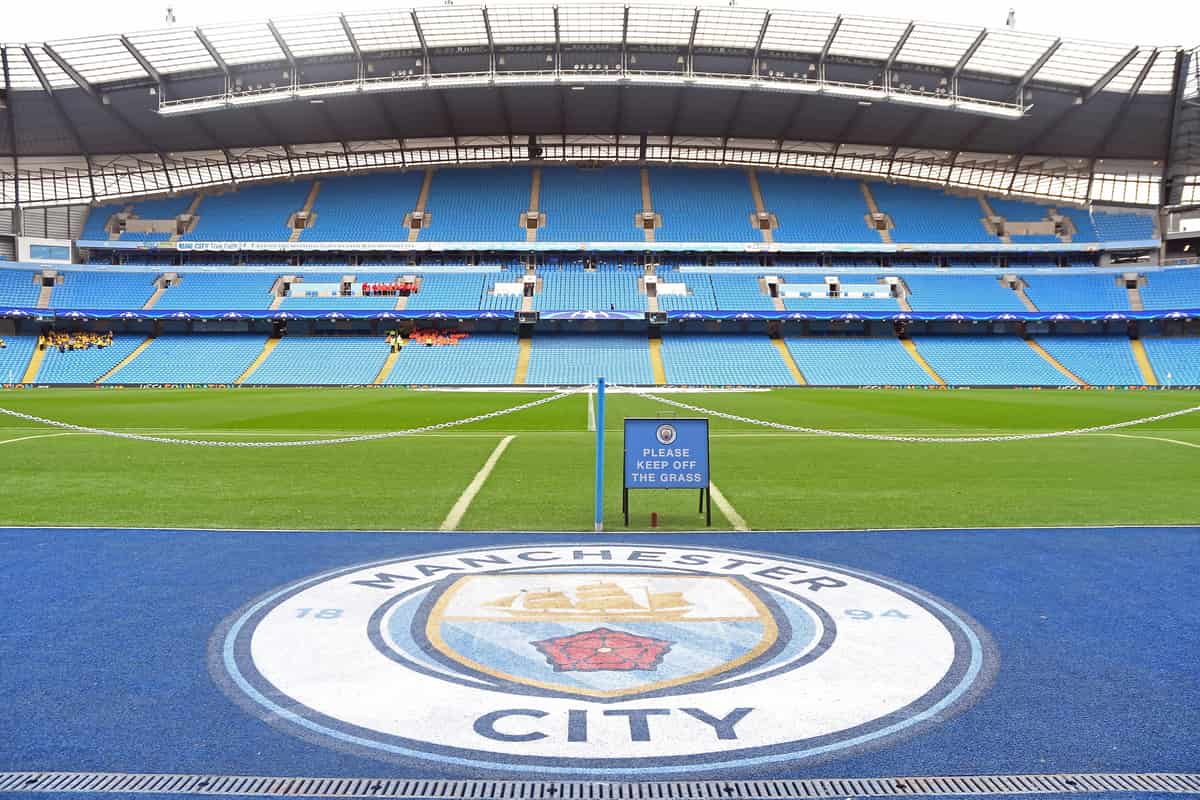
That said, hospitality now plays an increasingly important role in maximising matchday revenue even when performances dip. Clubs across the Premier League, including Fulham and Manchester City, have invested heavily in premium experiences.
While performances are still important there is an argument though that good results are becoming less essential for attracting fans.
Insider Sport spoke to BEYOND CMO Ricardo Fort earlier this year, who said, “Hospitality has been one of the most important expressions of this need that people have to experience different things.”
VIP ticketing spend in the UK has increased 34% since 2021, and globally the sports hospitality market is forecast to reach $32.05bn (£23.5bn) by 2030. Fort added the sector has evolved in response to how fans value live experiences.
“There’s a consumer need,” he said. “Then marketers, brands and rights holders became more creative in what they can deliver.”
Fulham’s Director of Technology Bekki Hill also noted the shift in fan expectations, telling Insider Sport: “It’s not just a football match anymore. People come for the pre-match entertainment, the post-match music.”
Football finance expert Kieran Maguire posted on X that Manchester United’s matchday revenue per fan last season increased from $97.96 to $102.28 (£71.81 to £74.95).
While still below elite London clubs, this was higher than any other Premier League team, showing that the club’s hospitality strategy is successfully boosting yield from supporters even during a disappointing league campaign.
Steadying the ship
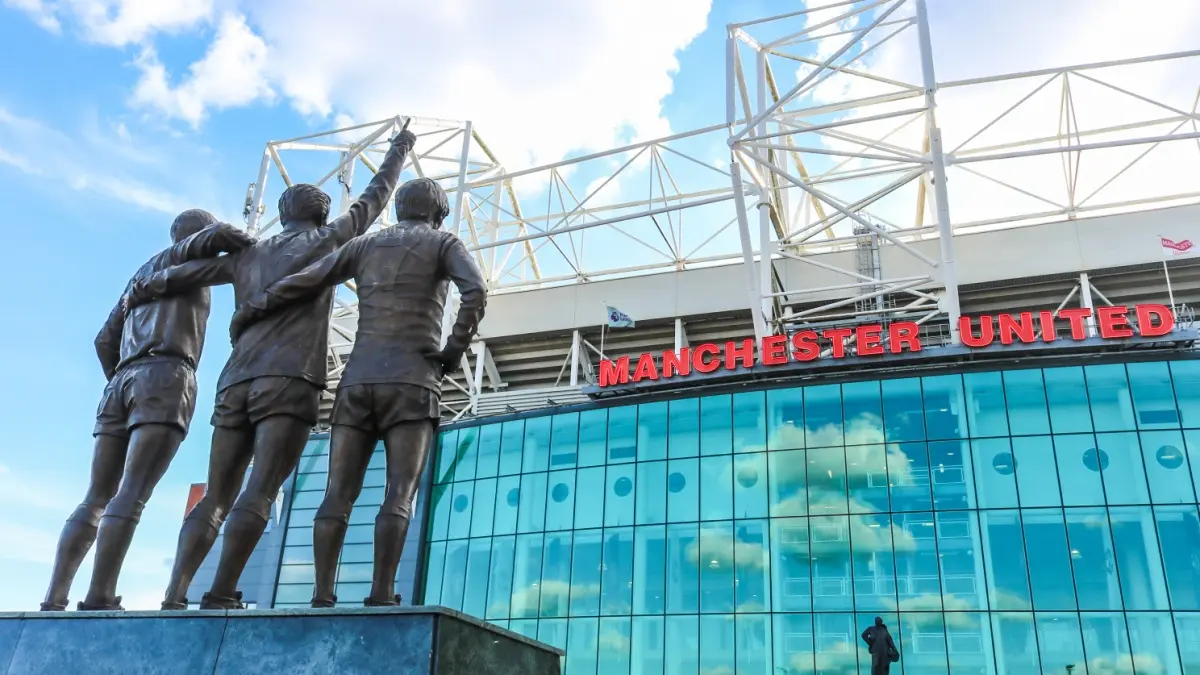
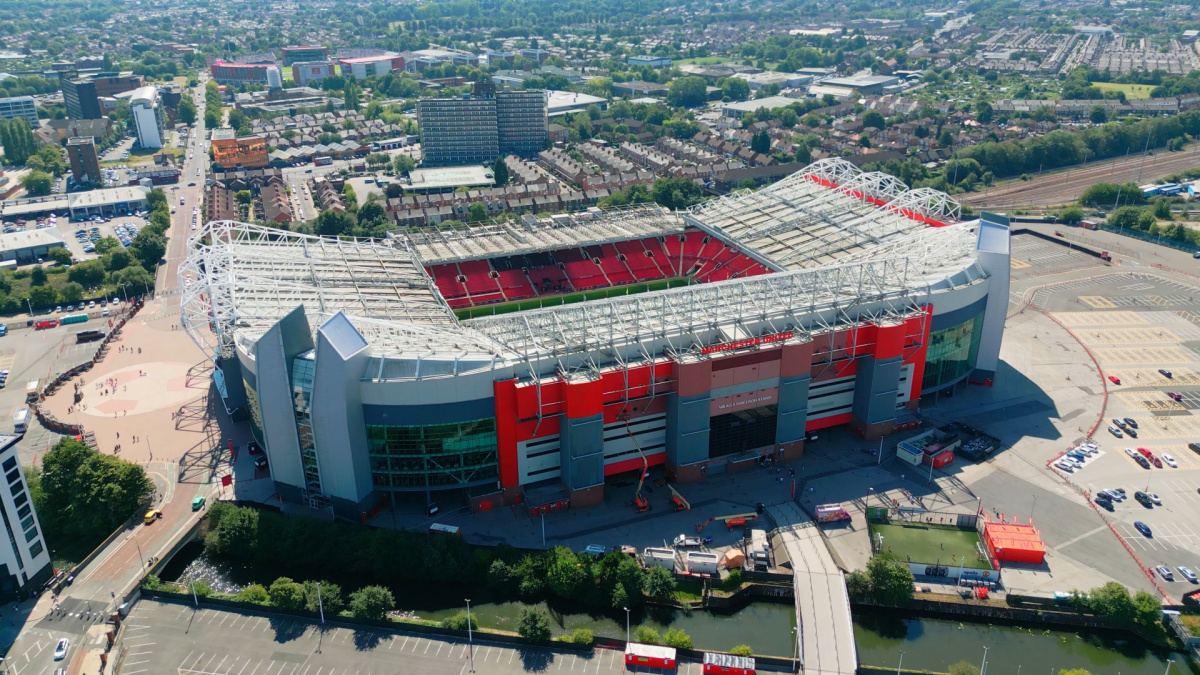
Though more seats around Old Trafford may be cushioned by hospitality, one man who remains in an uncomfortable place this season is minority owner Jim Ratcliffe.
Ratcliffe will be pleased with the record fiscal 2025 revenues, but he will likely be even more satisfied with the improvements to the club’s cost base.
Operating losses fell to $25.1m (£18.4m) from $94.5m (£69.3m) the prior year, helped in part by a ruthless approach to staff reductions and tighter operational controls. Investment in infrastructure has also continued, with the $68.23m (£50m) redevelopment of the men’s first team building at Carrington completed on time and on budget.
Plans to redevelop Old Trafford are also still progressing as part of a broader regeneration of the surrounding community.
Omar Berrada, Manchester United CEO, said, “To have generated record revenues during such a challenging year for the club demonstrates the resilience which is a hallmark of Manchester United.”
Despite this positivity, next season presents new challenges. Without European football to supplement revenue, and with on-pitch performances still looking shaky, Manchester United will need to rely heavily on both its commercial muscle and hospitality strategy if it is to maintain financial momentum.