


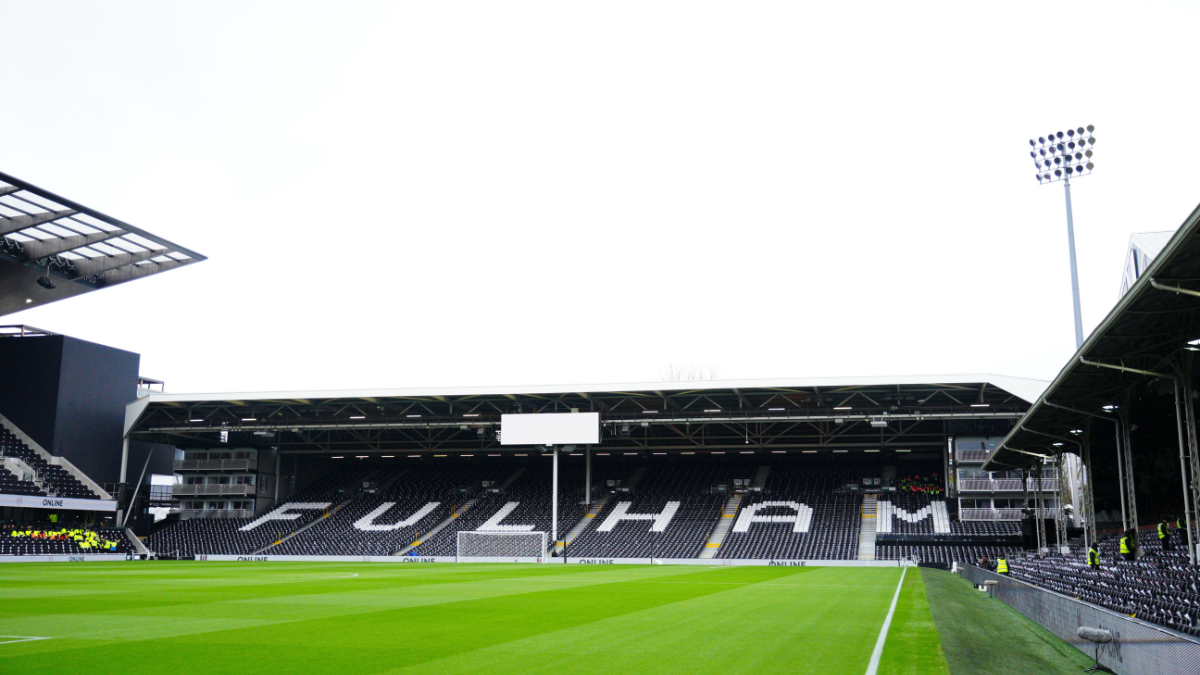
Craven Cottage and Fulham Pier enter a new phase of operational flexibility, as the club looks beyond football to full-scale entertainment
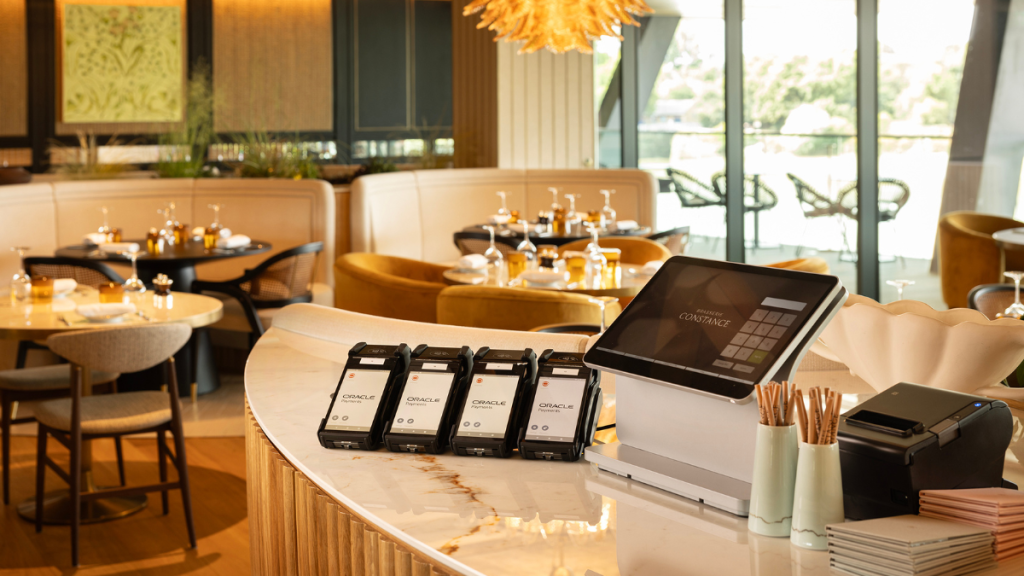
As the 2025/26 season approaches, Fulham Football Club has begun rolling out a new cloud-based point of sale and payments system across Craven Cottage and its newly developed Fulham Pier destination.
Powered by Oracle Simphony Cloud, the deployment marks a shift in how the Premier League side approaches customer service, but also hints at a more fundamental repositioning of the club’s commercial strategy.
Speaking to Insider Sport, Fulham’s Director of Technology Bekki Hill framed the decision as part of a wider ambition.
“We’ve built a world-class stand, and our ethos has always been world-class technology and world-class partners,” she says. “For the club, that meant a solution capable of meeting both the speed and scale of a matchday environment, and the flexibility required for fine dining, hospitality events, and non-sporting guests.
From football club to lifestyle venue
Over the last year, Craven Cottage has morphed from a matchday venue to something completely different. With restaurants, a spa, conferencing spaces and a hotel now incorporated into the Fulham Pier development, the technology had to be able to flip between use cases, sometimes five times a day.

Hill said one of the key selling points of the Oracle system was its ability to switch between different service modes at the press of a button.
“We’re now in matchday mode, it’s now hamburgers and hot dogs,” she explains, noting that other floors might simultaneously be serving à la carte menus or hosting private functions.
In that sense, the rollout is less about a flashy tech partnership and more about underpinning a transformation in Fulham’s business model; from seasonal football operator to year-round entertainment provider.
Solving queues, not just sales
Fan experience was also a central theme throughout the conversation. Hill described how the club had taken a hands-on approach in understanding where the friction lay.
“I spent the first six or seven games actually working outside the ticket office and in the bars,” she says. “If I’m on the ground, looking at some of the tech, I hear it all: this ticket isn’t working, this queue is too long. That’s how we build our requirements.”
For fans, the most visible change is likely to be queue times. On matchdays, supporters typically have only 15 minutes to get a drink. The club says the new system has allowed them to speed up transaction times, pre-programme best-selling items on tills for one-touch access, and even reduce the number of staff required per terminal due to simpler workflows.
Pricing flexibility has also improved. Hill gave the example of pre-kickoff drinks promotions, which in the past would have had to end on a fixed time regardless of queue lengths. Now, the club can dynamically extend offers if needed to accommodate fans already waiting to be served.
Business benefits through operational data
Oracle’s deployment also grants Fulham access to a broader set of key performance indicators. In addition to speed of service and average basket value, the club is now tracking fraud metrics and location-specific underperformance, enabling them to adjust staffing and layouts on a match-by-match basis.
“We didn’t have this level of knowledge before,” said Hill. “Now we’re looking at data like: are people drinking more gin and tonics, can we get reusable glasses instead of plastic ones? It’s not just about cost, but also sustainability.”
This data is being used not only for food and beverage stock forecasting, but also to support the club’s wider sustainability efforts, including efforts to reduce food waste and transition away from single-use plastics.
One area where Fulham has had to tread carefully is in managing the volume of data now available. While the technology team is comfortable navigating dashboards and APIs, Hill acknowledged that some business units found the sudden influx overwhelming.
Her team’s role, she said, is to help translate the data into useful insights.
“You need to know what problem you’re trying to solve. If you just throw all the data at people, it’s too much,” she notes. “But when you ask them what they’re trying to achieve, we can surface exactly what they need to see.”
Hospitality standards rising in football
Fulham’s latest tech deployment reflects a broader shift in elite football towards a hybrid of sport and entertainment. Hill believes the profile of the typical fan is changing, with more families and women attending, and expectations rising.
“It’s not just a football match anymore,” she said. “People come for the pre-match entertainment, the post-match music. They expect more, and the technology has to keep up with that.”
As more clubs undergo digital transformations, Fulham’s experience suggests that success lies not just in buying in new tools, but in finding the right partners to solve operational problems. “We didn’t go into this saying what we wanted,” Hill recalls. “We told Oracle our problems, and they came back with solutions. That’s what made them the right fit.”
A blueprint or a one-off?
While the technology itself is not unique, Fulham’s use of it, particularly in the way it’s been configured for a multi-purpose venue, could serve as a model for clubs with similar ambitions.
The real test will be whether it delivers long-term improvements to fan experience and operational efficiency. Fulham appears to have taken a practical step towards a more agile, data-informed future, one that’s less about digital bells and whistles, and more about building a stadium experience fit for a new generation of supporters.