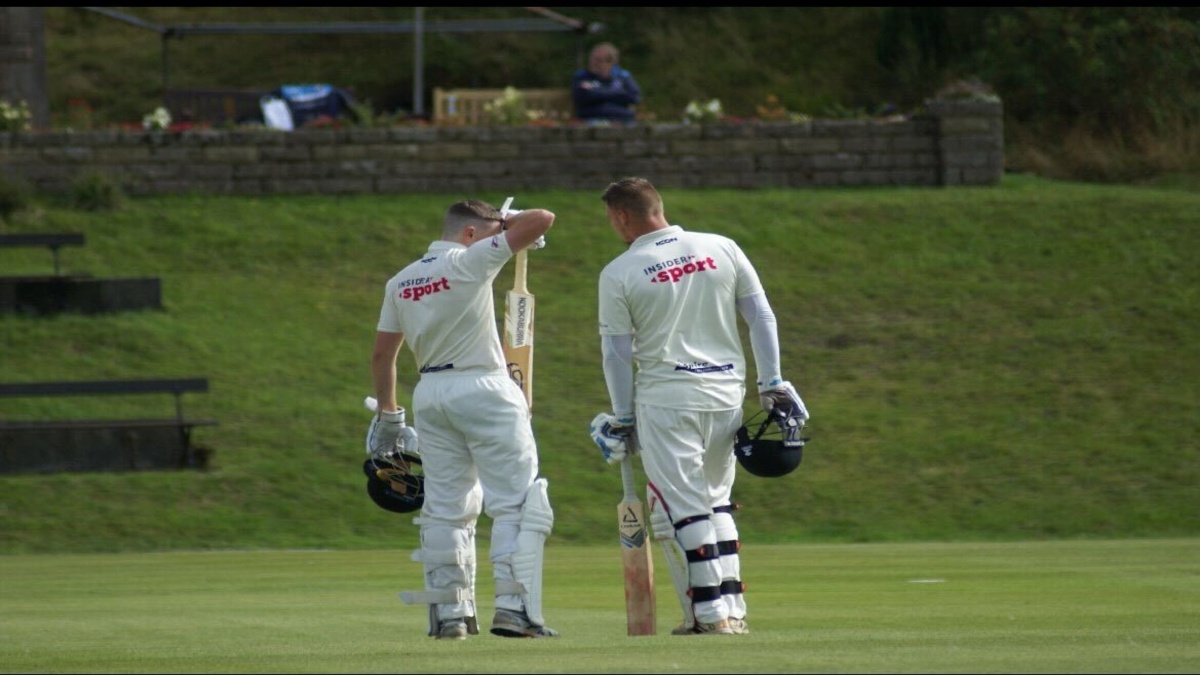



In this regular series, Insider Sport speaks to volunteers at Old Glossop to uncover what goes into sustaining grassroots sport, who the people are away from the game, and what drives their dedication.
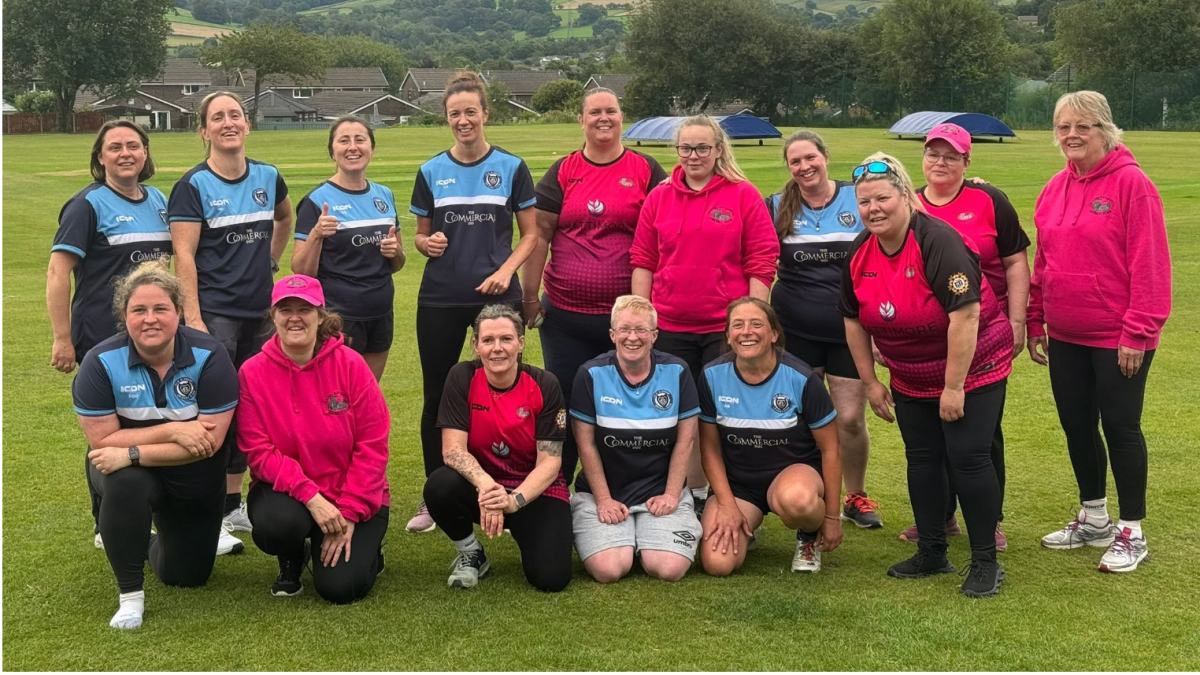
A captain who only picked up a bat in her forties, a team of mostly first-time players and a Ukrainian refugee finding a place in the starting lineup.
It sounds like the setup for a Hollywood film in which misfits pulled together by unlikely circumstances go all the way to win the league against-all-odds.
However, this isn’t a road-to-glory story. This is the reality of women’s grassroots cricket in the north of England. With no coach, limited resources and little formal pathway into the game, players are figuring things out as they go.
Leading the way for Old Glossop Cricket Club is Annette Bell, the women’s captain.
Bell’s journey into cricket only began after the COVID-19 pandemic. Despite growing up with a dad who was a “massive cricket fan” she never played the sport herself. She explained at school girls were only encouraged to play netball or hockey.
However, with her house separated by only a wall from the cricket pitch, it was only a matter of time before she got involved in the sport. That’s exactly how her journey began.
Her start in the game came almost by chance. “One day, in the back garden — because we hadn’t looked at the cricket pitch — one of the girls came out just as we were socialising again at the end of COVID, and they said, ‘We are starting a women’s team. Do you want to join us?’ I’d never played cricket, but I thought, I’ll give it a go. And that was that.”
Going from a complete beginner to captain is a big jump, but like many volunteers at Old Glossop and grassroots clubs nationwide, Bell stepped up because nobody else would. In addition to the lack of other volunteers, she took on the role because she wanted the team to actually play some games.
This wasn’t an easy task. The women’s team had to battle to find players who could leave their homes and families unattended, something Bell says is gradually changing as household roles become more equal. They even had to bribe the club’s now-Chairman, George White, to umpire matches, she jokingly shares.
Overcoming early struggles
Despite the start not being so smooth sailing, Bell and her teammates refused to give up. When they first entered the league, player numbers were so low that fielding a full side was a constant challenge.
On some occasions, they only had three players when eight were needed to compete. Slowly, friends, family members and players returning from other sports were recruited to fill the gaps, with parents juggling babysitting duties just so someone could play.
One of the team’s most unexpected additions was a Ukrainian refugee who had never played or even watched cricket before joining Old Glossop.
The team saw cricket as more than just winning games. “It’s not just about exercise, it’s about the friendships,” Bell says. “People come for an hour or two a week, away from family and work. It’s a bit of fun, a laugh and it’s great for mental health.”
Bell’s role as captain requires more than leading on the pitch. She manages the team’s logistics, ensuring they have enough players, an umpire and a scorer for every match. She handles league communications and sets up and locks up the grounds on match days.
One key help has been one of the player’s father-in-law, who is a qualified umpire who volunteers his time. After umpiring one game and enjoying it so much, he committed to officiating all their home matches that season.
Bell describes him as “a legend,” often acting like a “disappointed dad” to the team, but one everyone is grateful for. Without his support, finding an umpire each week would be another job on Bell’s already full plate.
Building women’s cricket
The role is challenging, even if Bell can joke that living just a wall away from the cricket pitch makes match days easier. While she only mentions a few personal hurdles, most of the difficulties come from broader issues facing women’s grassroots cricket.

Looking past numbers, the lack of formal support remains a significant challenge. After a brief stint with a coach who left, the team has since been without coaching. Bell stresses this has an even greater impact in the women’s game because men usually grow up with more exposure and understanding of cricket.
“You’re left with a group of women who have never played before, needing to learn the rules and the basics,” she says. “That’s been frustrating.”
However, things are starting to improve. The club’s Chairman, George White, is working to arrange coaching support for next season and the timing couldn’t be better.
Bell notes a growing number of younger girls are stepping away from mixed teams to play women’s cricket. While she’s learning the game at 50, these younger players have the potential to develop into strong cricketers with the right guidance.
“With the young ones coming through, they can improve and get better. There’s a lot of potential for them to become really good cricketers, especially for them. And we also have quite a few players in their early to mid-twenties,” she says.
Bell notes these are common challenges across the league. She said many clubs set up women’s teams because “they all want to say they’ve got a women’s team,” but then they’re left without the support they need.
Nevertheless, Bell looks at the future of women’s cricket at the grassroots level with optimism. She sees real progress as more young girls join and families get involved.
“The girls bring parents along,” she says, “and that helps create a supportive community. We didn’t have that before.”
She stresses it’s no longer about her or the older players but about the youngsters coming through.
With her daughter now playing at a high level, Bell understands this even more. “If you want to build a team, you build it around the five- and 10-year-olds, not the old women like me,” she concludes.