Your article was successfully posted to your social media. Want to share more? Go ahead!
image credit: Howard Cheng/Shutterstock.com
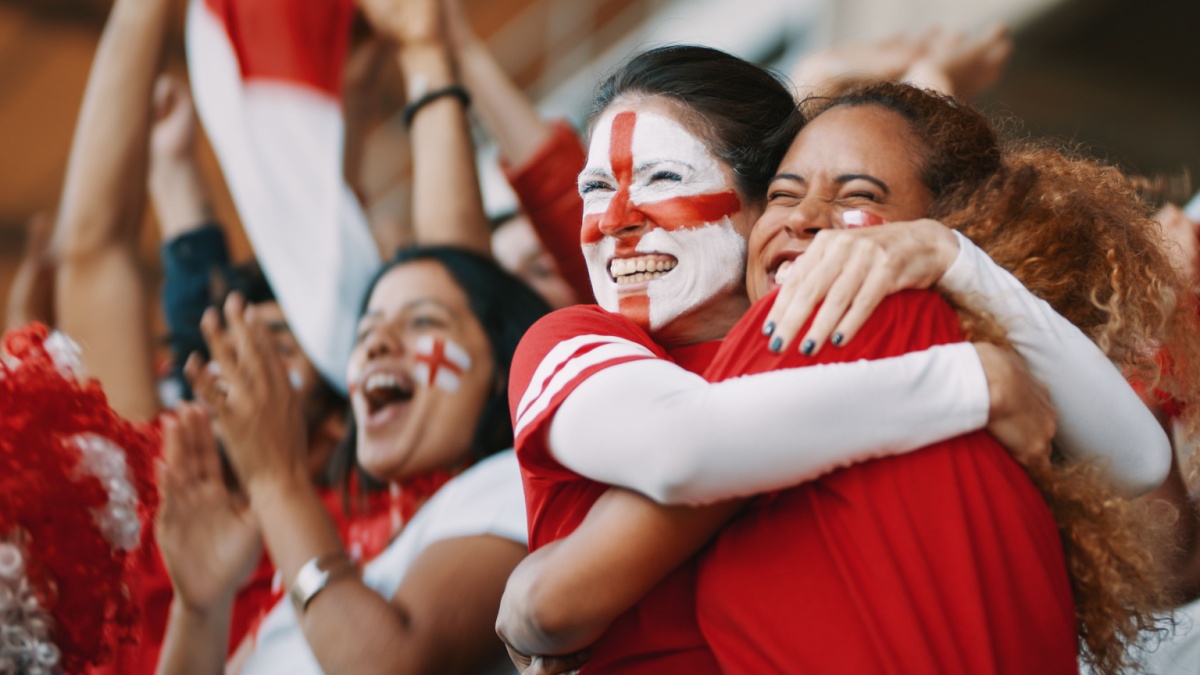
Women’s sports growth trajectory in the UK continued this year following the England Women’s Football and Rugby teams coming as champions in their respective sports, but misogyny and hostilities continue to remain an issue.
Writing for Insider Sport, Eva El Khoury, Senior Account Manager in the Sport & Fitness team at The PHA Group, highlights the work of social event organisers creating a more inclusive atmosphere for women, the concerning record-high discrimination posts on social media, and how women’s sport can grow in differing gamification avenues.
Eva El Khoury, PHA Group, Senior Account Manager, Sport & Fitness
The Women’s Sport Trust has reported record female audiences this summer in the UK and as we approach the end of 2025, there is no better time to reflect on the rapid growth of women’s sport this year.
From the Lionesseswinning the Women’s Euros, with the final recorded as the most watched television moment of 2025 across all TV broadcasters, with a peak live audience of 16.2 million, to the Red Roses winning the Women’s Rugby World Cup, it’s reinforced England’s dominance in women’s sport, and brought women’s football and rugby further into the mainstream in the UK.
However, although the gender gap is continuing to close when it comes to audience figures, male viewers still make up the majority of women’s sport audiences. We therefore need to consider ways to draw in more female sport fans in an inclusive, authentic way.
Building inclusive social settings
While it’s brilliant to see both men and women engaging with women’s sport, traditional sport settings like pubs or stadiums can be perceived as an intimidating environment for some women, and there is an ongoing rise in misogyny online.
Highlighting this, anti-discrimination charity Kick It Out says it received record-high reports of discrimination during the 2024-25 English football season with a rise in sexism, transphobia and faith-based abuse. Across all levels of English football, there were 1,398 incidents reported, which is the most ever received by the organisation.
Looking at what brands are doing to create inclusive viewing environments for women, Asahi launched a Pub Pledge initiative in the UK for the Rugby World Cup, getting over 1,190 pubs to commit to screening all games of the tournament. The aim was to increase accessibility and normalise the experience of watching women’s sport in a pub setting.
The question is, do all women truly feel safe and welcomed in traditional viewing settings, or is it still an intimidating environment despite what is being shown on the screen?
Inclusive sports bar Set Piece Social took it one step further in partnership with adidas for the WSL, hosting a sold‑out watch‑along event in East London dedicated to women’s football. The space was curated to be inclusive, with a women-led panel discussion and women‑and‑queer‑owned vendors.
This not only helps with the common feeling women face of being the only few watching in male‑dominated spaces, but it also sends the message that women’s sport deserves the same public venue coverage as men’s sport, rather than being relegated to secondary screenings. It makes it easier for women’s sport fans to show up, feel seen, and be part of fandom.
Outside football and rugby that have grown most rapidly, there is also a huge opportunity for a variety of women’s sports to capitalise on this momentum, and for government initiatives and brands to invest more heavily in a wider range of women’s sport.
For example, viewing hours of the Netball Super League season has already grown more than 300% in 2025, with the average audience across all women’s Hundred matches at 153,000, up by 26% compared to 2024.
Stamping out misogyny
The uplift in audience figures across a variety of women’s sports is promising, yet misogyny continues to persist. Highly successful women athletes are still being subjected to gender-norm policing and body shaming.
Take American rugby star Ilona Maher, who has spoken out about being called a man, accused of being “too masculine” or asked whether she’s on steroids, because of her athletic build. Standing her ground, Maher is an incredible advocate for herself and other women in sport, responding to hate with powerful statements such as: “I do have a BMI of 30… But alas, I’m going to the Olympics — and you’re not.” Her resilience is admirable, but she shouldn’t have to face the abuse in the first place.
There therefore needs to be a safer and more empowering environment for women to be inspired by high profile female athletes, both online and offline, without the constant drum of attacks in the background.
Interactive opportunities
Beyond social media, the women’s game has now been introduced into Football Manager. Allowing gamers to pick a women’s team in a major franchise, instead of creating a separate women’s only spin off, sends the message that women’s teams are not second‑class add‑ons, but part of the core football simulation experience.
However, how well the women’s leagues are represented in the game matters, if they are superficial, poorly supported, or have fewer features than the men’s, then the impact is diluted. The real‑world growth of women’s football will also still depend on continued investment, structural equality, media coverage, fan‑experience improvements and cultural change.
It’s evident the fanbase for women’s sport is expanding, with more women engaging, more media visibility, and more recognition of the commercial opportunity. But at the same time, many women still face barriers when physically attending live sports or going into sports-watching spaces such as stadiums or pubs, due to long-standing cultural, infrastructural and social safety issues.
Growth therefore isn’t just about audience figures or social media engagement, the live experience and the environment around it need to evolve to be genuinely inclusive for women of all ages and cultural backgrounds.










UK women’s sports continues to grow amid record-high discrimination social posts
You’ve shared it!
Women’s sports growth trajectory in the UK continued this year following the England Women’s Football and Rugby teams coming as champions in their respective sports, but misogyny and hostilities continue to remain an issue.
Writing for Insider Sport, Eva El Khoury, Senior Account Manager in the Sport & Fitness team at The PHA Group, highlights the work of social event organisers creating a more inclusive atmosphere for women, the concerning record-high discrimination posts on social media, and how women’s sport can grow in differing gamification avenues.
The Women’s Sport Trust has reported record female audiences this summer in the UK and as we approach the end of 2025, there is no better time to reflect on the rapid growth of women’s sport this year.
From the Lionesses winning the Women’s Euros, with the final recorded as the most watched television moment of 2025 across all TV broadcasters, with a peak live audience of 16.2 million, to the Red Roses winning the Women’s Rugby World Cup, it’s reinforced England’s dominance in women’s sport, and brought women’s football and rugby further into the mainstream in the UK.
However, although the gender gap is continuing to close when it comes to audience figures, male viewers still make up the majority of women’s sport audiences. We therefore need to consider ways to draw in more female sport fans in an inclusive, authentic way.
Building inclusive social settings
While it’s brilliant to see both men and women engaging with women’s sport, traditional sport settings like pubs or stadiums can be perceived as an intimidating environment for some women, and there is an ongoing rise in misogyny online.
Highlighting this, anti-discrimination charity Kick It Out says it received record-high reports of discrimination during the 2024-25 English football season with a rise in sexism, transphobia and faith-based abuse. Across all levels of English football, there were 1,398 incidents reported, which is the most ever received by the organisation.
Looking at what brands are doing to create inclusive viewing environments for women, Asahi launched a Pub Pledge initiative in the UK for the Rugby World Cup, getting over 1,190 pubs to commit to screening all games of the tournament. The aim was to increase accessibility and normalise the experience of watching women’s sport in a pub setting.
The question is, do all women truly feel safe and welcomed in traditional viewing settings, or is it still an intimidating environment despite what is being shown on the screen?
Inclusive sports bar Set Piece Social took it one step further in partnership with adidas for the WSL, hosting a sold‑out watch‑along event in East London dedicated to women’s football. The space was curated to be inclusive, with a women-led panel discussion and women‑and‑queer‑owned vendors.
This not only helps with the common feeling women face of being the only few watching in male‑dominated spaces, but it also sends the message that women’s sport deserves the same public venue coverage as men’s sport, rather than being relegated to secondary screenings. It makes it easier for women’s sport fans to show up, feel seen, and be part of fandom.
Outside football and rugby that have grown most rapidly, there is also a huge opportunity for a variety of women’s sports to capitalise on this momentum, and for government initiatives and brands to invest more heavily in a wider range of women’s sport.
For example, viewing hours of the Netball Super League season has already grown more than 300% in 2025, with the average audience across all women’s Hundred matches at 153,000, up by 26% compared to 2024.
Stamping out misogyny
The uplift in audience figures across a variety of women’s sports is promising, yet misogyny continues to persist. Highly successful women athletes are still being subjected to gender-norm policing and body shaming.
Take American rugby star Ilona Maher, who has spoken out about being called a man, accused of being “too masculine” or asked whether she’s on steroids, because of her athletic build. Standing her ground, Maher is an incredible advocate for herself and other women in sport, responding to hate with powerful statements such as: “I do have a BMI of 30… But alas, I’m going to the Olympics — and you’re not.” Her resilience is admirable, but she shouldn’t have to face the abuse in the first place.
There therefore needs to be a safer and more empowering environment for women to be inspired by high profile female athletes, both online and offline, without the constant drum of attacks in the background.
Interactive opportunities
Beyond social media, the women’s game has now been introduced into Football Manager. Allowing gamers to pick a women’s team in a major franchise, instead of creating a separate women’s only spin off, sends the message that women’s teams are not second‑class add‑ons, but part of the core football simulation experience.
However, how well the women’s leagues are represented in the game matters, if they are superficial, poorly supported, or have fewer features than the men’s, then the impact is diluted. The real‑world growth of women’s football will also still depend on continued investment, structural equality, media coverage, fan‑experience improvements and cultural change.
It’s evident the fanbase for women’s sport is expanding, with more women engaging, more media visibility, and more recognition of the commercial opportunity. But at the same time, many women still face barriers when physically attending live sports or going into sports-watching spaces such as stadiums or pubs, due to long-standing cultural, infrastructural and social safety issues.
Growth therefore isn’t just about audience figures or social media engagement, the live experience and the environment around it need to evolve to be genuinely inclusive for women of all ages and cultural backgrounds.