


With 36.6m viewers and the year’s top TV peaks from the Women’s Euros, is women’s sport now mass-market?
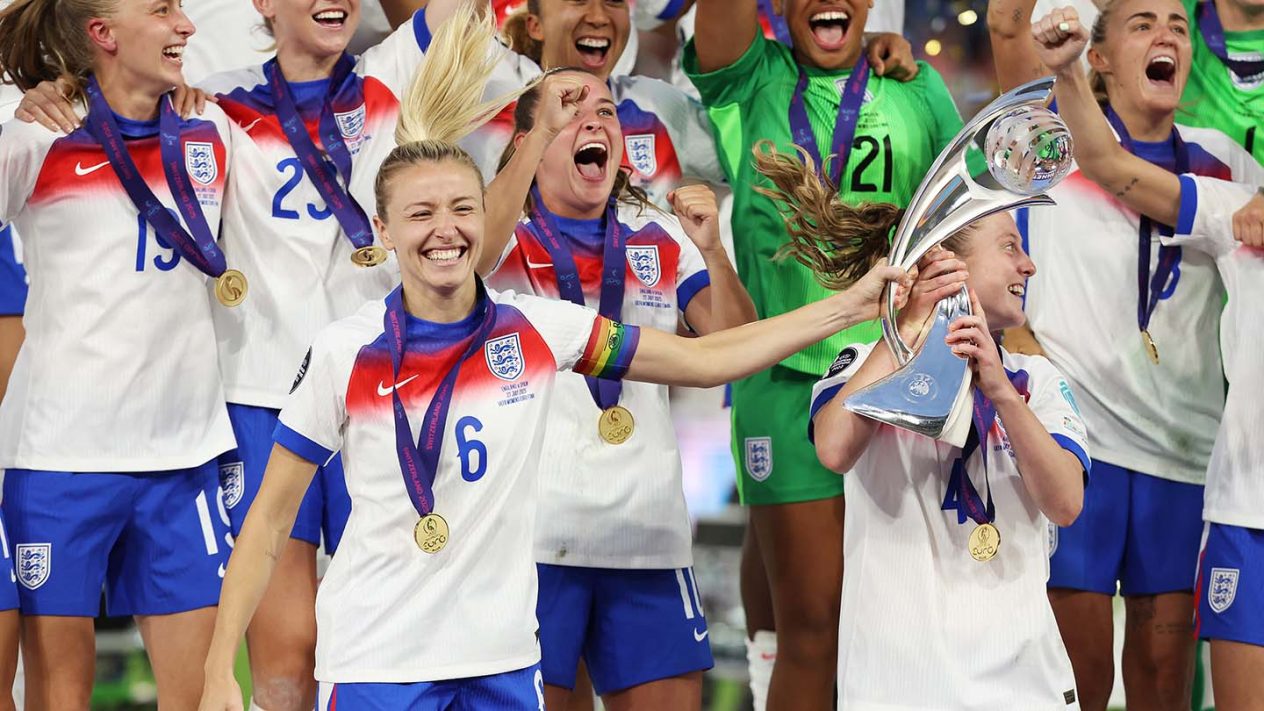
Women’s sport has dominated UK screens in 2025, with 36.6 million people tuning in so far, around 10 million more than at this stage last year. The two most-watched TV moments of the year to date are both from UEFA Women’s Euro 2025.
The Women’s Sport Trust’s October “Visibility” report credits a summer of tent-pole events for the surge. England’s Euro final against Spain peaked at 16.2 million viewers across BBC and ITV, while the Women’s Rugby World Cup in England delivered step-change gains on 2021.
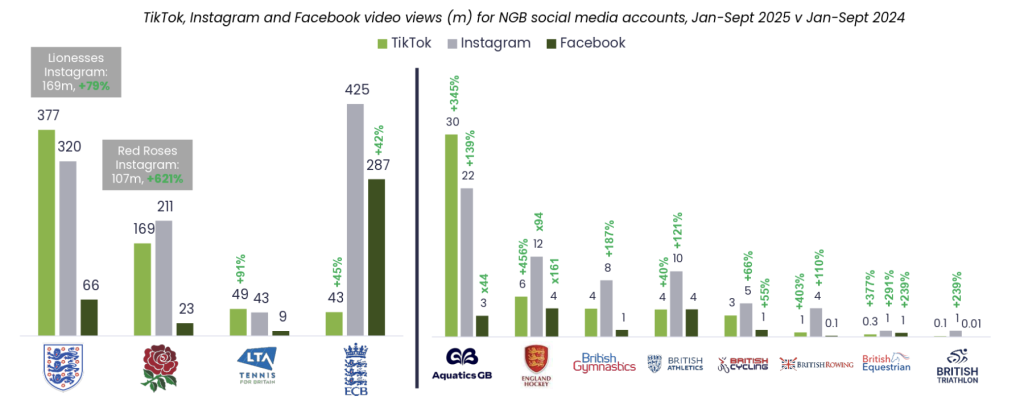
Digital consumption also accelerated, with the official Women’s Euro channels more than doubling views and engagements on 2022 and ranking as the number one global women’s sport property on TikTok from January to September.
TV audiences: big peaks and deeper watch times
England’s Euro run built momentum through the tournament to that 16.2 million peak for the final. Penalty shootouts lifted audiences by 40-53% over the 90-minute average, highlighting the value of jeopardy in scheduling and ad sales.
Despite higher viewing hours and more broadcast time than Euro 2022, the Euro 2025 cumulative average audience fell 11%, a nuance rights-holders will note as coverage expands. Average individual watch time still rose.
Rugby posted the other headline numbers. The Women’s Rugby World Cup achieved a 399% increase in cumulative average audience and a 552% rise in viewing hours versus the 2021 tournament. The final became the most-watched women’s rugby match ever on UK television.
Shift in who is watching
The report records the highest proportion of female viewers on record for both the Euros and the Women’s Rugby World Cup. Women’s Euro 2025 also skewed older than the men’s tournament in 2024, while ethnic minority representation on women’s broadcasts trailed the men’s equivalent, signalling both progress and an audience gap to close.
Across January to September, average viewer time for women’s sport on TV reached a new high, more than double last year. Five properties drove more than four fifths of total viewing hours, underlining the continued importance of marquee rights.
On social platforms, leading women’s properties increased uploads and views faster than the men’s cohort. During the tournament window, the official UEFA Women’s Euro accounts posted 313 million video views and 13.8 million engagements, both up 207% on 2022.
England’s teams led much of that engagement. The Lionesses had the most-viewed team Instagram of the Euros, while Red Roses content topped team engagement charts during the World Cup.
Property-by-property notes
Tennis sustained momentum, with the BBC reporting 15.5 million streams for Women’s Euro content across iPlayer and BBC Sport services during the tournament window and strong Wimbledon digital demand.
Cycling shows the trade-offs of shifting distribution. After moving to TNT Sports, Tour de France Femmes live coverage saw declines in key broadcast metrics versus 2024 despite more hours, underscoring the balance to strike between depth and total reach.
Netball Super League viewing hours grew by more than 300% year-on-year despite a congested calendar, while league and team social video volumes and views surged.
What it means for broadcasters, brands and rights-holders
First, program for the spikes. The data shows jeopardy moments such as extra time and penalties can lift live audiences by up to half, which supports inventory strategies that package shoulder content with peak windows.
Second, keep the top of the funnel open. The Euros illustrate that more hours deepen engagement but can dilute average audiences. Combining free-to-air tentpoles with pay-TV depth remains critical to sustain both reach and watch time.
Third, fuel athlete-led storytelling. Platform data points to creator-style content and team-player collaborations outperforming official channels among younger fans. Investing in media days, toolkits and rapid social edits can convert event peaks into year-round growth.
Finally, plan for safety at scale. The report flags a rise in online abuse around athletes during the summer period, which strengthens the case for co-ordinated moderation and wellbeing protocols as women’s sport visibility increases.