


Saudi Arabia has once again made a significant investment to FIFA, but is the well drying up? Rory McIlroy is one of the most prevalent voices critical of the country’s free-spending approach.
FIFA and the Saudi Fund for Development (SFD) announced a new joint venture this week to invest up to $1bn for the construction and renovation of football stadiums across the globe.
A Memorandum of Understanding (MoU) was signed between the two parties on November 24. The loans will be used to prioritise stadium regeneration and development in developing FIFA nations and their respective FIFA Member Associations. This will see the improvement of facilities, in-and-around stadiums, as well as creating new opportunities at the grassroots level to enhance participation
FIFA stated this comes during a time where the gap between stadium investment amongst the 211 member associations “remains wide”. Leveraging football’s standing as a major growth and development driver for many countries, the partnership with SFD intends to create new employment opportunities, as well as tourism and community development.
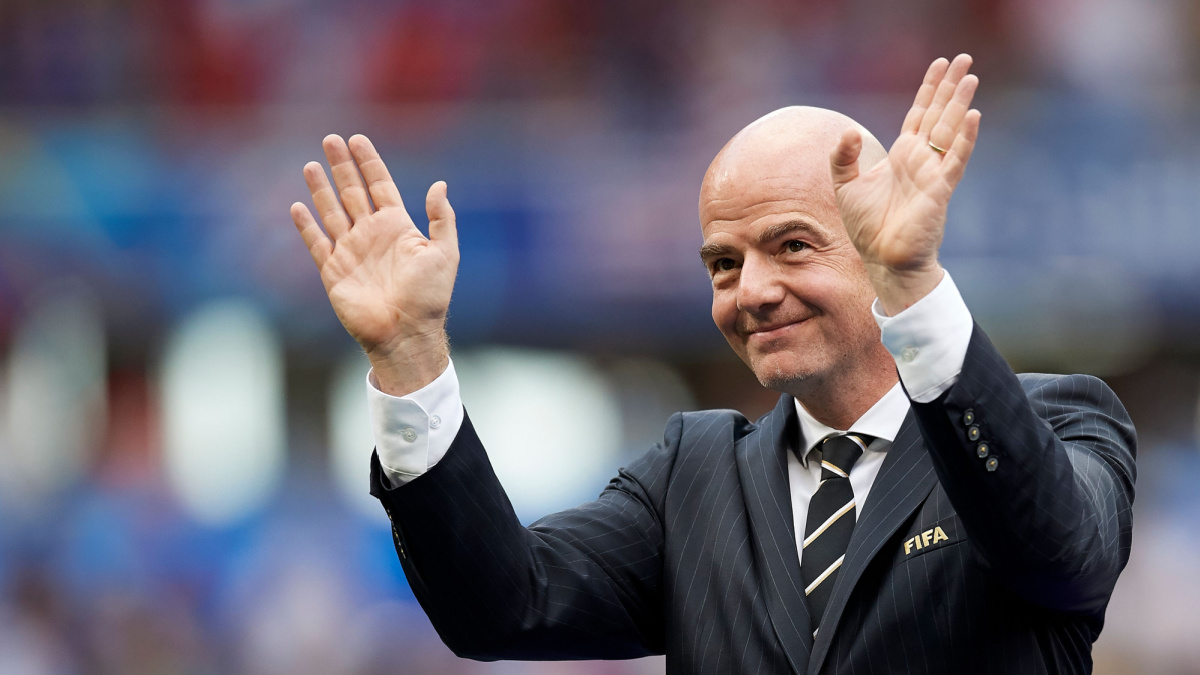
“FIFA’s role is to develop football worldwide, and many of our FIFA Member Associations need additional support for the infrastructure necessary to host competitions,” said Gianni Infantino, President of FIFA.
“Through this memorandum of understanding with the Saudi Fund for Development, up to $1 billion will be made available via concessional loans to finance the construction and enhancement of FIFA-certified stadiums. This agreement is a crucial step in ensuring our FIFA Member Associations have the facilities to make football truly global.”
Saudi Arabia has begun to deepen its ties to FIFA and football in its bid to become a leading sporting nation.
The state-owned oil company Aramco was named an official sponsor of FIFA competitions, including the World Cup and Club World Cup, in a deal worth a reported $100m per-year.
Saudi Arabia will also be the hosts of the 2034 FIFA World Cup. There was no official statement from either FIFA or SFD on whether the $1bn loan will be used to fund new stadiums for the tournament.
Is Saudi’s money drying up?
During Crown Prince Mohammed bin Salman’s visit to the White House to meet President Donald Trump last week, the New York Times revealed bin Salman reportedly told reporters Saudi Arabia would invest $1 trillion into the US.
However, perhaps more alarmingly, the report also revealed the country’s Public Investment Fund (PIF), which has a plethora of sports-related assets within its portfolio, is running low on money.
Many of the PIF’s non-sports-related investments, such as the commitment to build a utopian-like city named Neom, are facing “mountains of delays”.
The New York Times also revealed coffee export and cruise liner ventures are also “nowhere near fruition”, as many PIF assets are also hard-to-sell and are already putting an end to internal financial projects, such as the building of luxury resorts opposite the Red Sea.
While the report highlighted the PIF still has $1 trillion worth of assets and $60bn in liquid cash, many figureheads leading Saudi projects have been fired.
Will PIF’s sports assets be affected?
It is worth noting the New York Times did not explicitly name any sporting assets PIF own or invest in are suffering from financial concerns.
The PIF have invested or outright acquired in almost every sport. It is the majority owner of Newcastle United, has financed and hosted some of the biggest fights in boxing in recent years via Riyadh Season, and invested $1bn into DAZN to support its sports streaming model.
The most recent large-scale investment PIF made was this past summer’s acquisition of video game production company Electronic Arts (EA) for $65bn.
While many of these sporting assets, including the LIV Golf league, are viewed as long-term investments with many varying returns, the New York Times report could ring alarm bells around the world for many different sports.
McIlroy critiques “irrational” Saudi spending
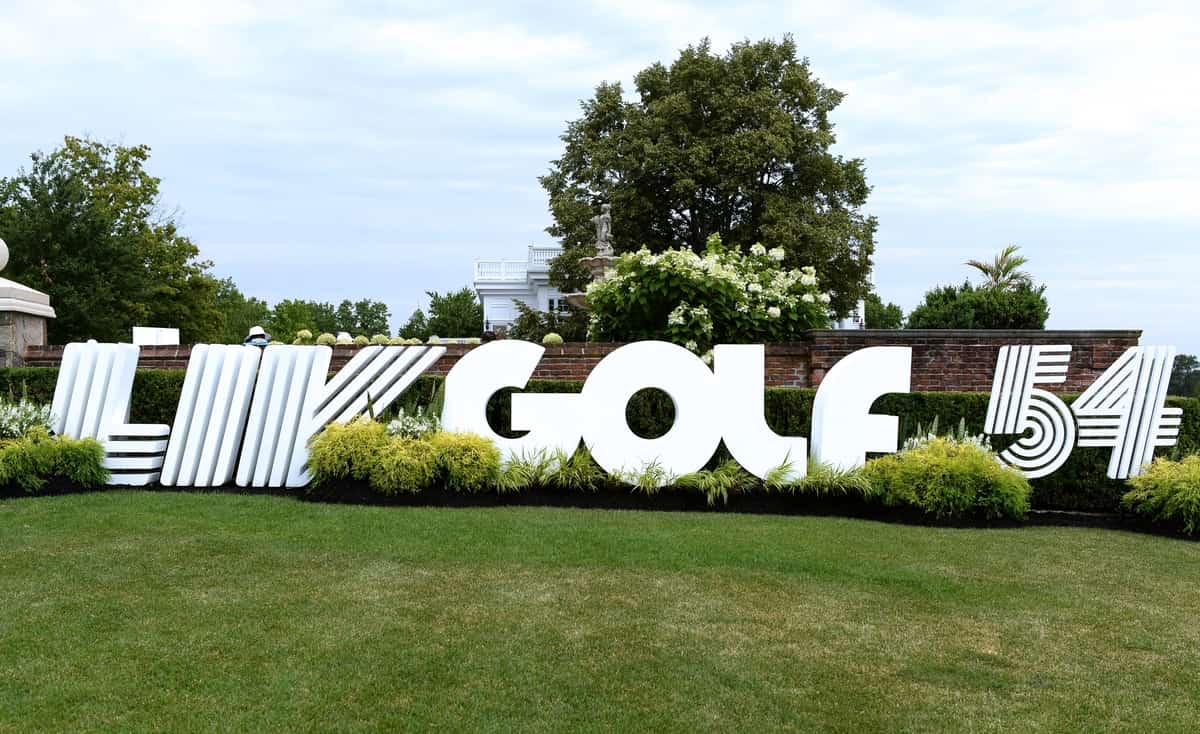
Amid the PIF’s possible spending issue, five-time golf major winner Rory McIlroy recently labelled LIV Golf’s “irrational” spending is one of the reasons why there has yet to be an agreement made on the LIV-PGA merger.
The Northern Irishman spoke to CNBC and praised Saudi’s investment in sports such as boxing and motor racing in being able to unify those sports, but wishes it could be the same for golf.
“I just think with what’s happened over the last few years, it’s just going to be very difficult to be able to do that,” said McIlroy.
“As someone who supports the traditional structure of men’s professional golf, we have to realise we were trying to deal with people that were acting, in some ways, irrationally, just in terms of the capital they were allocating and the money they were spending.”
Since being founded in 2021, LIV Golf has $1.4bn in losses but continues to offer substantial prize money offerings to its players, with $400m being forked out last year.
In June 2023, the PGA Tour and LIV Golf announced a merger to bring the two leading golf leagues together and end the division that was transpiring. Former PGA players such as Phil Mickelson and Jon Rahm left the PGA Tour in favour of multi-million dollar deals with LIV Golf.
However, two-and-a-half years later since the merger announcement, no official agreement has been made. It has also been raised to Trump, who has been pushing for the merger to settle after holding talks with PGA Commissioner Jay Monohan and LIV Commissioner Yasir Al-Rumayyan earlier this year.
“It’s been four or five years and there hasn’t been a return yet but they’re going to have to keep spending that money to even just maintain what they have right now,” added McIlroy.
“A lot of these guys’ contracts are up. They’re going to ask for the same number or an even bigger number. LIV has spent five or six billion US dollars and they’re going to have to spend another five or six just to maintain where they are.”