


Brett Johnson breaks down Rhode Island FC’s role in the USL’s Division One plans and why fan culture, stadium investment and player development are crucial to challenging the MLS.
Football is more than a sport in much of Europe and South America. It is part of everyday life, impacting communities, identities and traditions. From the outside looking in, the US has been slower to develop the same connection, often to the frustration of leagues and clubs trying to unlock the country’s huge commercial and cultural potential.
However, there is a growing sense things are starting to change. The US hosted the FIFA Club World Cup earlier this year and is promising the biggest FIFA World Cup in history next summer.
The momentum is now being felt at club level too, with the United Soccer League (USL) positioning itself as a genuine challenger to Major League Soccer (MLS) and preparing to launch a new Division One league in 2027.
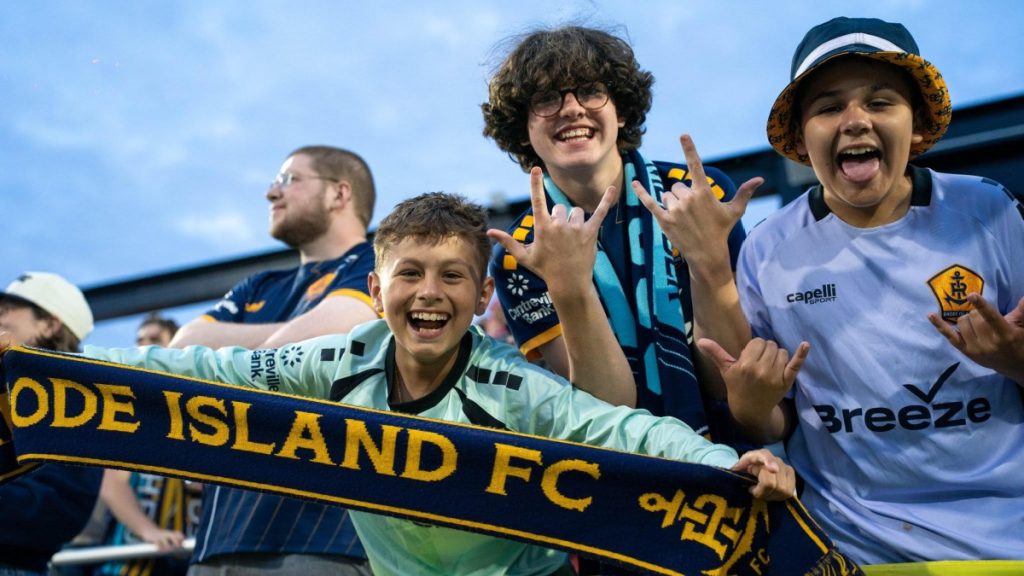
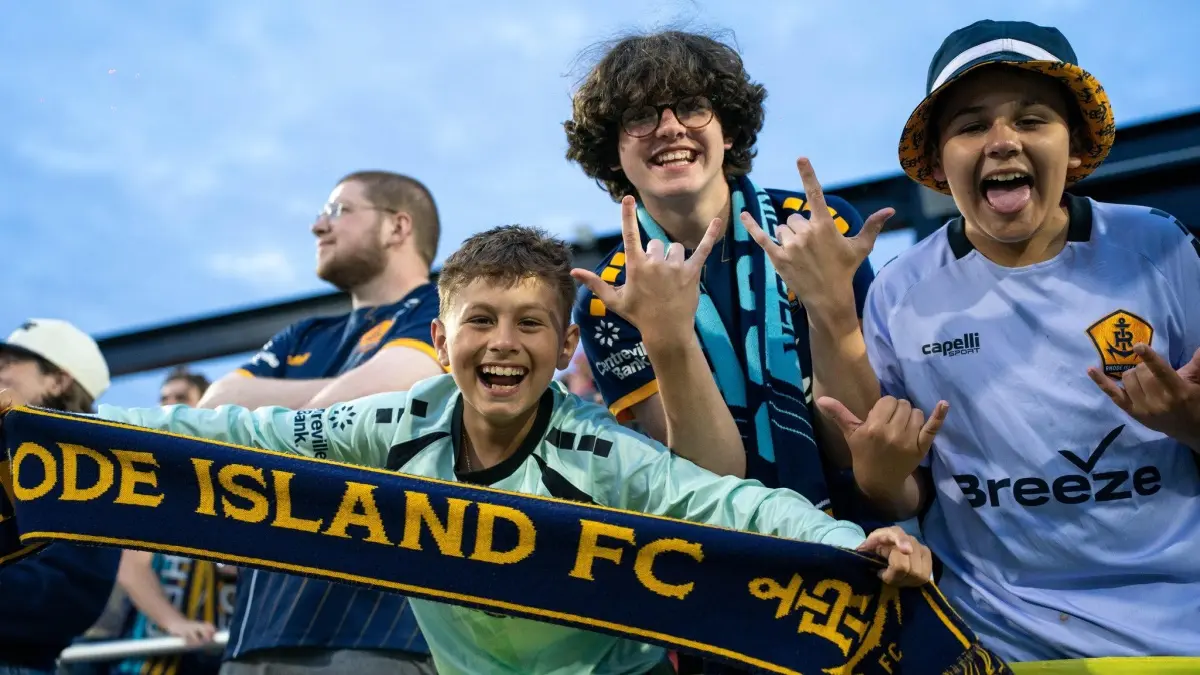
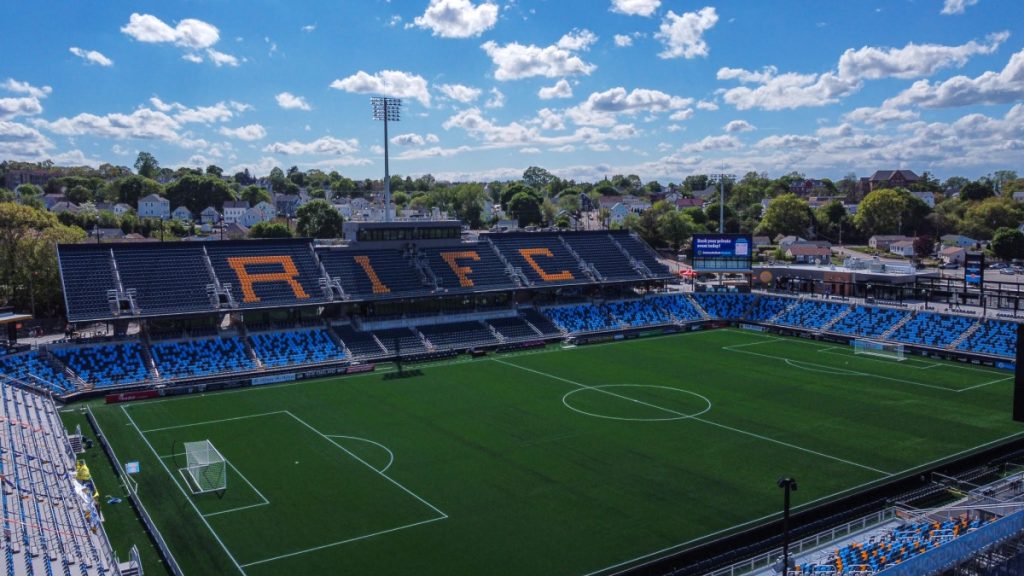
A key part of the ambition is adopting promotion and relegation, much like the systems used in Europe and South America, while also embedding a stronger football culture within local fanbases. Rhode Island FC has been highlighted as a leader in this regard, opening a purpose-built stadium earlier this year which has already made a notable impact on attendance, atmosphere and community engagement.
Insider Sport sat down with Co-founder and Chairman Brett Johnson to discuss how Rhode Island FC is embracing this moment and what role the club could play in the USL’s bid to grow American soccer.
The USL is positioning itself as a “football-first” league aiming to rival the MLS. How does that impact Rhode Island FC’s day-to-day operations and long term strategy?

The “football-first” philosophy is embedded in everything we do. From day one, our focus has been on creating an authentic soccer experience. That starts with having a soccer-specific stadium, which we believe is essential. You cannot build a proper soccer culture in a re-purposed baseball or college football stadium. That is why we invested years and significant resources into building Centreville Bank Stadium.
We ranked second in the USL Championship in overall attendance this season, averaging 8,914 fans per game, which is up 107% from our first season at Bryant University, where we averaged 4,306 fans per game.
Our long term strategy revolves around developing world-class talent, investing in the right people to make technical decisions, and creating a sustainable economic model which allows us to compete at the highest level. I believe that the USL can build toward a Division One league, and Rhode Island FC has every intent to be part of the USL’s highest division when it arrives. Everything we do operationally, from our player development pipeline to our stadium activations, is designed with that ambition in mind.
Are there clubs around the world that have inspired Rhode Island FC’s approach to culture and fan engagement?
My experiences with Ipswich Town FC and English soccer culture have certainly influenced how we think about fan engagement. There is something about the authenticity and passion at Portman Road that is unmatched. However, we are not trying to be a carbon copy of an English club. Rhode Island has its own identity and its own history. We want to honour that.
We lean more into the entertainment factor here than you would see at a traditional English game, because that is what resonates with our community. We are also inspired by clubs that have successfully engaged their entire region and are making the club a source of pride that brings people together. That is what we are building here.
Supporters are essential to football culture. How does Rhode Island FC create a meaningful, authentic connection with fans?
It starts with humility and listening. We are giving Rhode Islanders something of their own – this is not a franchise that was relocated here. This is their club, built for them. The way we have seen the community embrace the team shows that authenticity resonates. We are also very intentional about making sure the club reflects Rhode Island’s identity.
Bringing in Michael Parkhurst is the perfect example. When you talk about soccer in Rhode Island, it begins and ends with him. Having someone of his caliber and character leading our technical side is crucial.
How does moving into a soccer-specific stadium enhance the club’s ability to build a loyal fanbase, and is there a stadium atmosphere you aspire to emulate from elsewhere in the football world?
The impact of a purpose-built soccer stadium cannot be overstated. At Centreville Bank Stadium, every design element serves the soccer experience. Supporters are close enough to feel like they are part of the action, and there is not a bad seat in the house. These are not luxury features. They are fundamental to building an atmosphere where soccer culture flourishes.
In terms of inspiration, I think about the excitement at Ipswich Town’s Portman Road. The biggest thing is that the stadium feels like it belongs to the supporters, not like they are guests in someone else’s building. We are still writing our own story here. What excites me is watching it develop organically – seeing supporter groups forming, families making gamedays regular traditions, and the energy building with each home game. In a few years, Centreville Bank Stadium will have its own identity and legendary moments that get passed down.
Modern stadiums increasingly host concerts and other events to diversify revenue streams. How does Rhode Island FC plan to use its stadium beyond matchdays?
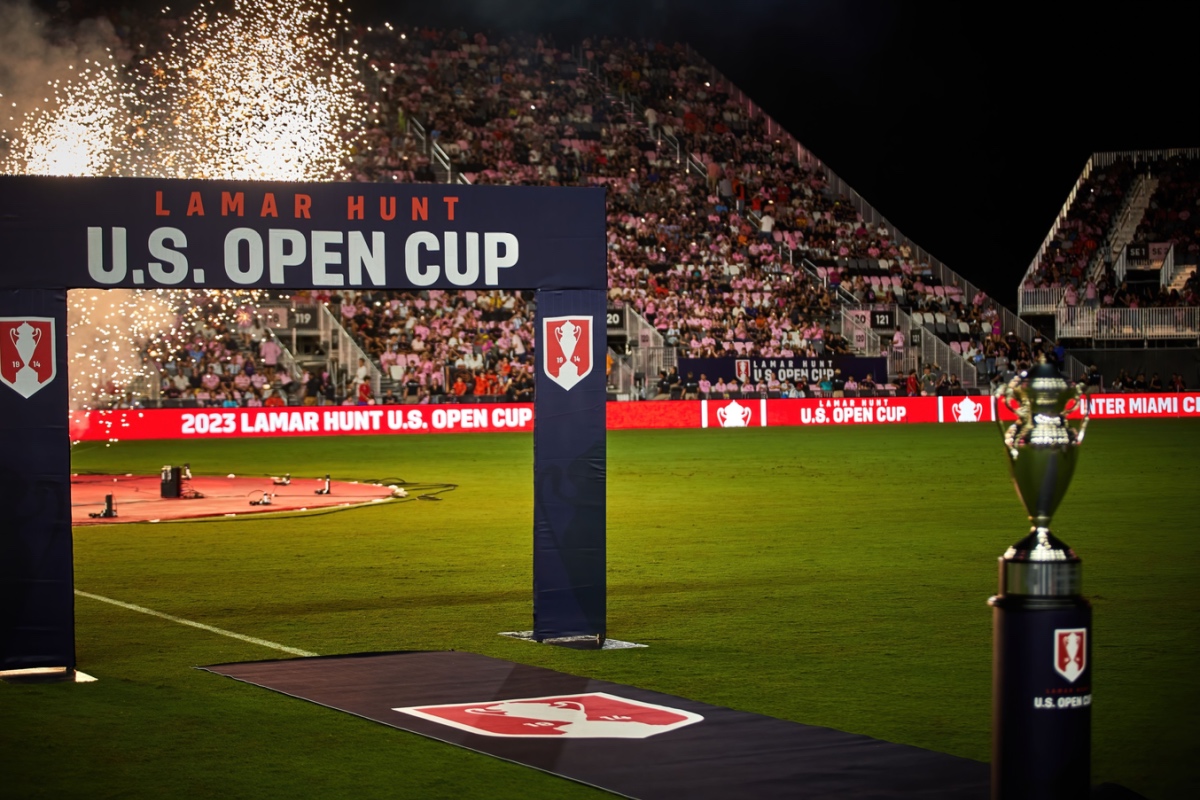
This is critical to the sustainability model. In a very short period, we have already hosted the annual Governor’s Cup between Brown University and the University of Rhode Island football, the 2025 Major League Rugby Championship, an international soccer friendly, the US Open Cup, and two USL Jägermeister Cup knockout games. In the future, we will have concerts as well. The broader real estate development project is equally important. As we move forward with residential, retail and hospitality phases, the stadium will become an anchor for year-round activity in that corridor.
When you have an asset like our stadium, it is a no-brainer to maximise its use and engage the community in multiple ways. The goal is to make Centreville Bank Stadium a marquee destination in New England and a place people want to visit whether there is a game happening or not.
How does Rhode Island FC see itself contributing to the USL’s mission to rival the MLS?
We are proving the model works in a smaller market. Rhode Island FC deserves credit for being able to achieve what we have achieved – a world-class stadium with surrounding mixed-use real estate development on the way – as an expansion team in the second division. If a state the size of Rhode Island can support a club with this level of infrastructure and community engagement, it opens the door for countless other markets across the country.
We are showing that you do not need to be in a top 20 market, or spend upwards of $600m on a franchise fee, to create something special. We are also demonstrating that with the right stadium, the right talent and the right commitment to developing players, you can create a sustainable, profitable operation that competes at a high level. That is the formula the USL needs to replicate across the league.
What role do stadium infrastructure, community engagement, and club culture play in achieving that vision?
Those three elements are interconnected. The stadium infrastructure creates the foundation – you need a proper venue to deliver a world-class product. However, a beautiful stadium means nothing if the community does not embrace it and you do not have the right culture inside the organisation. I do not pretend to make technical decisions or know more than I do, which is why my job is to bring in the best people, such as Michael Parkhurst, to make the best decisions for the club.
The greatest satisfaction for me is going to our games and seeing the way the stadium is impacting lives, creating jobs, generating social and economic impact, and most importantly, bringing the community together. That only happens when you get all three elements right. We took fallow land that was essentially a dumping ground and converted it into something the community can be proud of. That is the legacy we are building – not just a soccer club, but something that truly matters to the Rhode Island community.
Over the next five years, what are your top priorities for growing Rhode Island FC on and off the pitch?
On the pitch, it is about continuing to develop and compete at the highest level. I have tremendous confidence in Michael Parkhurst, our Head Coach and General Manager Khano Smith, and the rest of our technical team to get us there. We gained incredible momentum this season, and the fact that we are consistently making the playoffs and competing for championships demonstrates that the foundation we have built is sustainable. Player development remains crucial – establishing Rhode Island FC as a destination where ambitious talent can develop and move up the pyramid is both good for our sporting ambitions and essential to our financial model.
Off the pitch, it is about executing the next phases of the real estate development, housing, and eventually the hospitality and retail that will make this corridor truly special. We need to continue growing our fanbase and creating that authentic connection with the community. We also need to develop our ability to identify, develop and sell players to bigger clubs – that is becoming a significant part of the economic model. If we can execute all of that, we will be exactly where we need to be in five years.