


Another week closer to the 2026 FIFA World Cup brings yet more controversy, with LGBTQ+ debates, the FIFA Peace Prize and hydration break rules all under scrutiny.
Seattle’s plans to stage an historic Pride Match at the 2026 FIFA World Cup have escalated into a diplomatic dispute after Egypt and Iran objected to the LGBTQ+ branding.
Seattle had planned June 26 as its official Pride Match, aligning the game with Pride Weekend and the anniversary of the Obergefell v. Hodges ruling which legalised same-sex marriage in the US.
Organisers launched the initiative months before the draw, commissioning local artists to create LGBTQ+ themed installations and scheduling citywide activations for the groupstage game.
However, when the draw revealed Egypt v Iran would be played at Lumen Field on the date, questions emerged if the match would go ahead. Both countries criminalise same-sex relationships, as Egypt uses “debauchery” and morality laws to target LGBTQ+ communities, while Iran’s laws enforces severe penalties, including imprisonment and, in some cases, capital punishment.
Local stakeholders warned the matchup could provoke tensions around the Pride celebrations planned for the city.
On December 9, Egypt and Iran submitted a joint letter to FIFA requesting the Pride branding be removed from the fixture, calling it “incompatible” with cultural and religious values and suggesting it could place their players and delegations in an uncomfortable position.
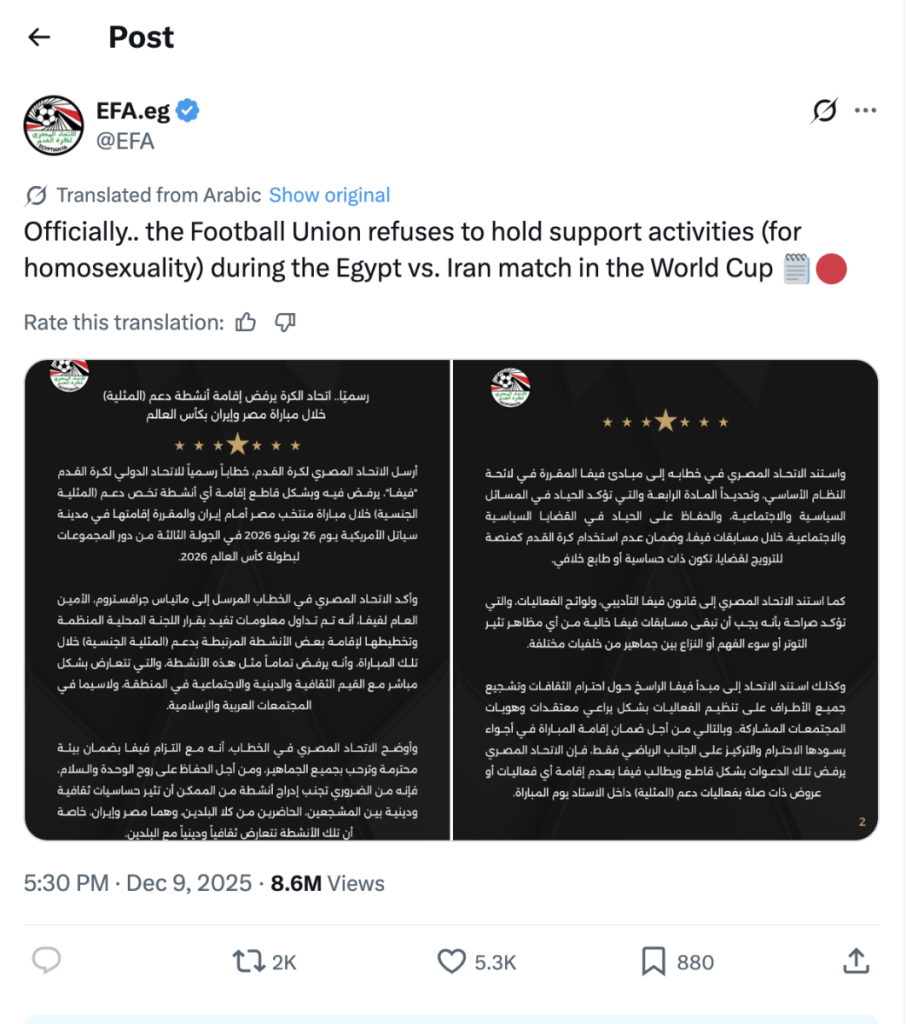
Seattle’s local organising committee, however, told the BBC it is “moving forward as planned with our community programming”, showing it has no intention to reschedule or cancel the match.
Members of Seattle’s Pride Match Advisory Committee (PMAC) have also defended the initiative. Eric Wahl, brother of the late journalist Grant Wahl, who was detained at Qatar 2022 for wearing a rainbow T-shirt , described the fixture as an opportunity for inclusion. “There are LGBTQIA+ people everywhere,” he wrote on X. “All are welcome to be themselves in Seattle.”
Infantino under fire over inaugural FIFA Peace Prize
In Egypt’s public statement regarding the Pride Match, the country’s FA cited Article 4 of FIFA’s statutes, which emphasis neutrality in political and social matters and prohibits using football to promote divisive causes.
Interestingly, the next controversy to emerge this week has raised questions over whether FIFA has breached similar rules.
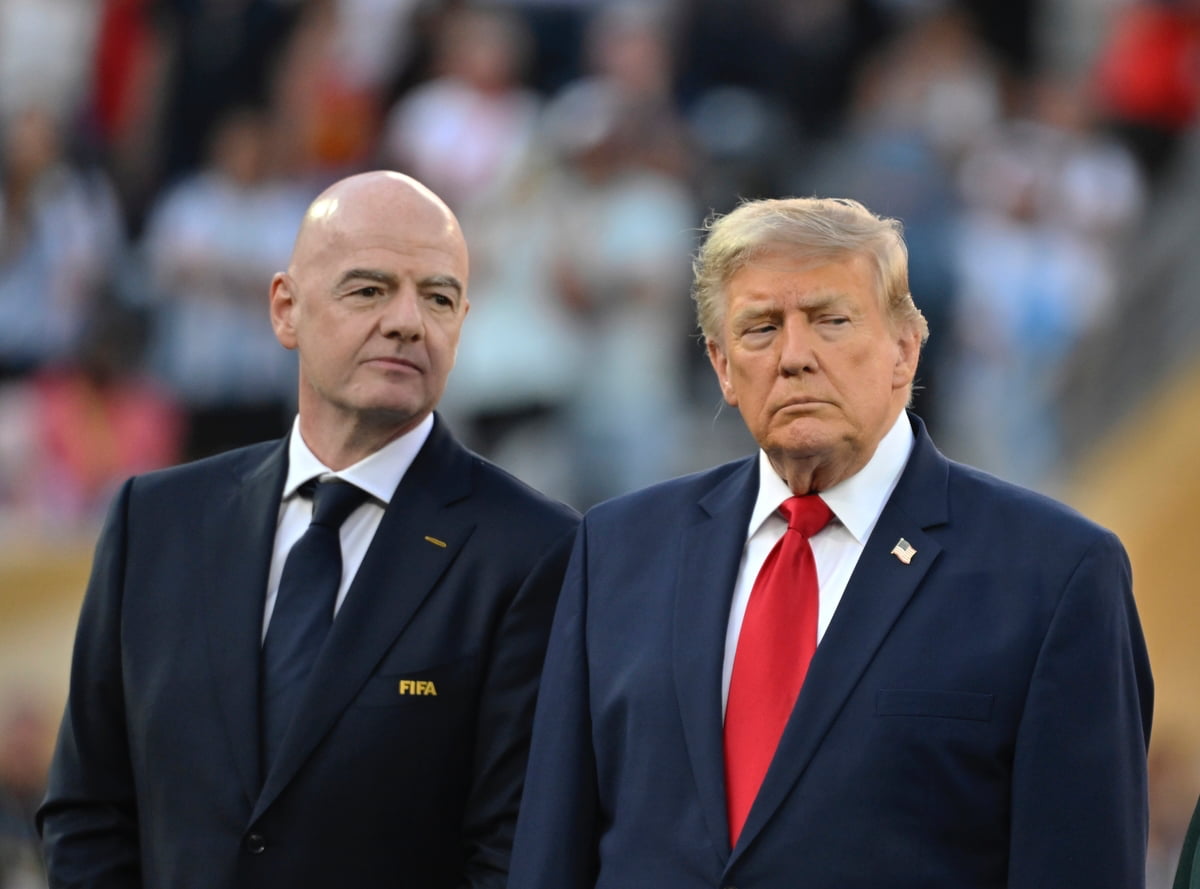
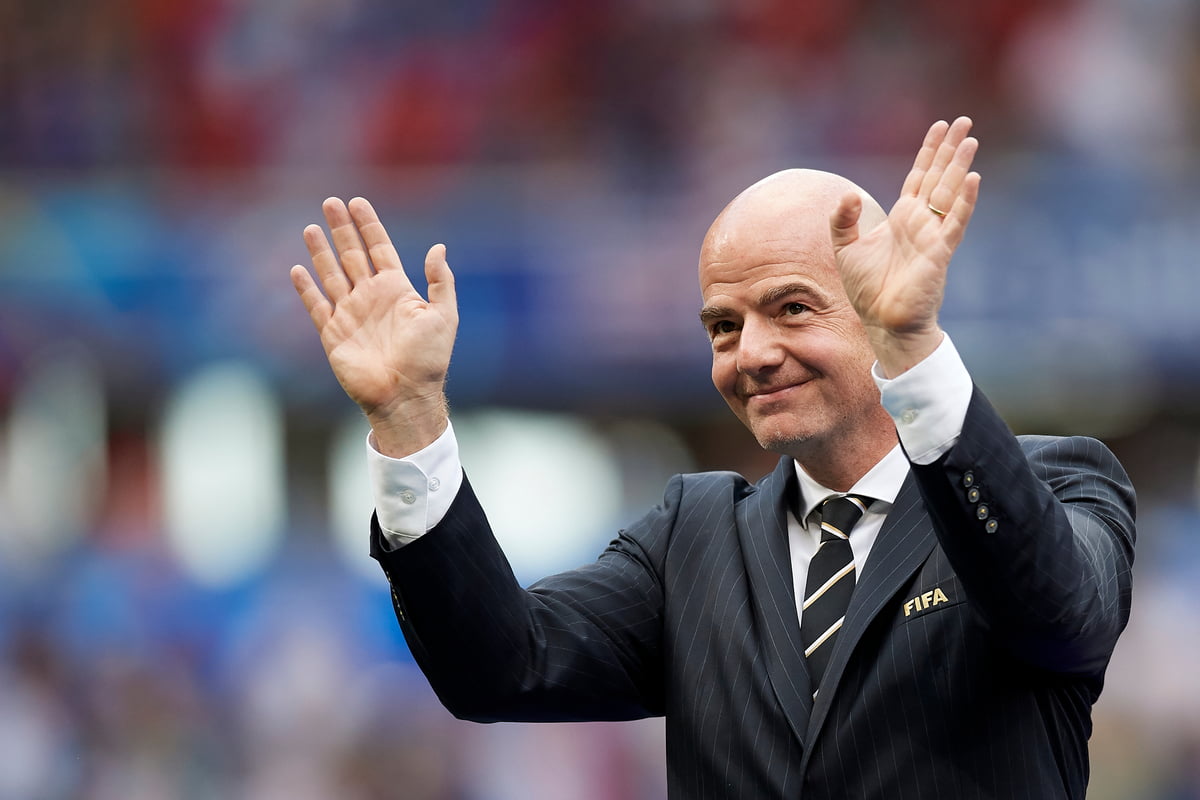
FIFA came under scrutiny after President Gianni Infantino presented the first-ever “FIFA Peace Prize – Football Unites the World” to US President Donald Trump during the World Cup draw in Washington, D.C.
The award, announced in November, was designed to recognise “exceptional and extraordinary actions for peace” which unite people globally.
However, Trump winning the award has triggered an official complaint to FIFA’s Independent Ethics Committee from FairSquare, a governance and human-rights NGO, alleging repeated violations of FIFA’s political neutrality obligations.
FairSquare argues awarding the prize to a sitting head of state, and doing so in the middle of a globally broadcast event, constitutes political endorsement and calls for a full review of how the prize was created and approved.
FairSquare’s letter highlights several instances in which Infantino publicly praised Trump in recent months, including comments supporting his foreign-policy approach, describing him as a “close friend” and appearing at US political events in his role as FIFA president.
The group claims these activities amount to partisan support which is incompatible with Article 15 of the FIFA Code of Ethics, which requires officials to remain non-political in dealings with governments.
Advertisements disguised as hydration breaks?
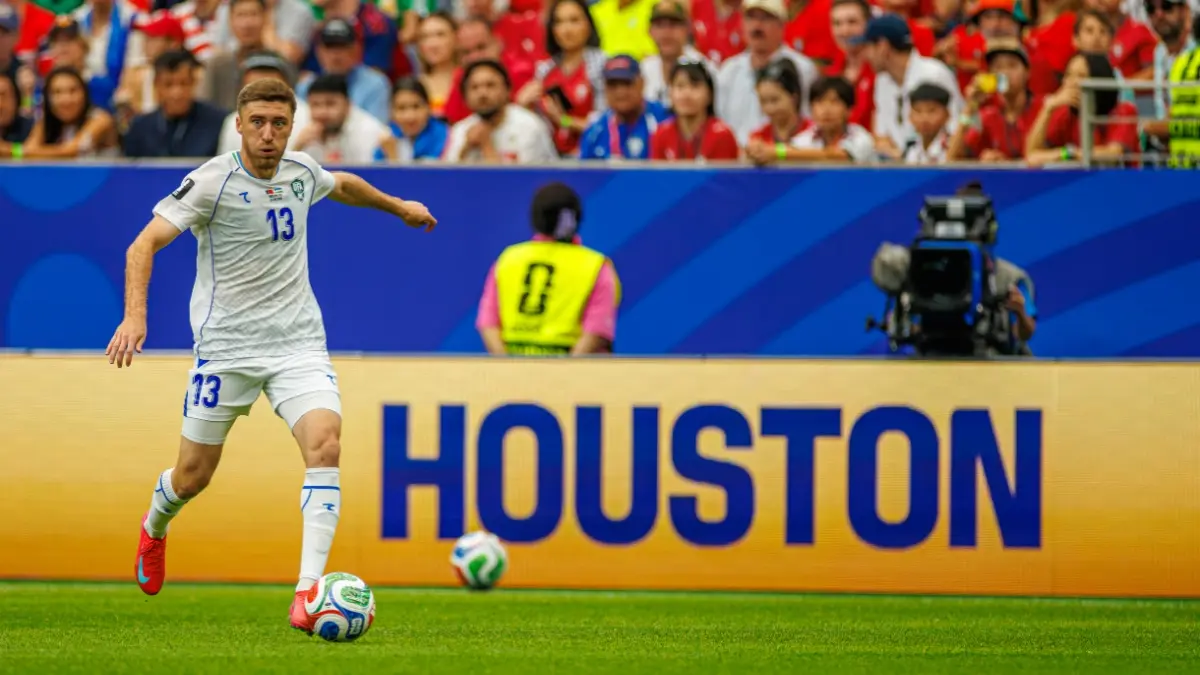
Earlier this week, FIFA also confirmed this week every match at the 2026 World Cup will include hydration breaks, a change which will effectively divide games into four quarters and has led to a debate around the tournament’s increased commercial-focus.
Announced on December 8, FIFA said: “Players at the FIFA World Cup 2026 will benefit from three-minute hydration breaks in each half of games as FIFA prioritises player welfare throughout next summer’s tournament.”
The new rule requires referees to stop play 22 minutes into each half regardless of weather conditions.
“For every game, no matter where the games are played, no matter if there’s a roof (or) temperature-wise, there will be a three-minute hydration break. It will be three minutes from whistle to whistle in both halves,” said Manolo Zubiria, Chief Tournament Officer, USA.
Hydration pauses are not entirely new to major football tournaments, but they have typically been triggered by extreme heat or humidity. Their inclusion at all 104 matches next summer has led to speculation online that player welfare is only part of the rationale, with stakeholders highlighting the breaks providing convenient windows for advertisements.