



Women’s sport has momentum, but as Tammy Parlour writes in her latest for Insider Sport, 2026 must be the year we we turn it into a sustainable industry

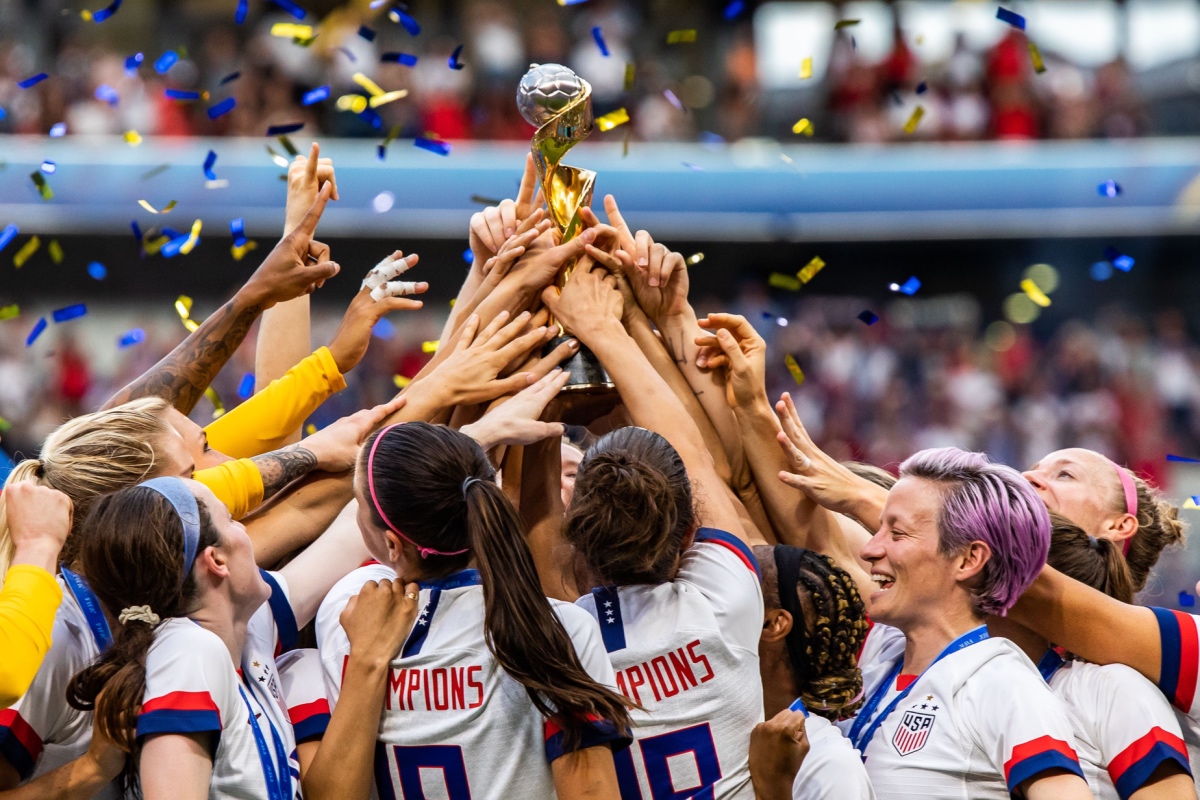
This year proved women’s sport could dominate the national conversation. The Women’s EURO and the Rugby World Cup delivered scale, visibility and cultural relevance that would have been unthinkable a decade ago.
But momentum alone isn’t a strategy. And 2025 exposed the next hurdle: women’s sport needs to develop the year-round structure its success deserves. The task for 2026 is to build it.
From major-event peaks to domestic strength
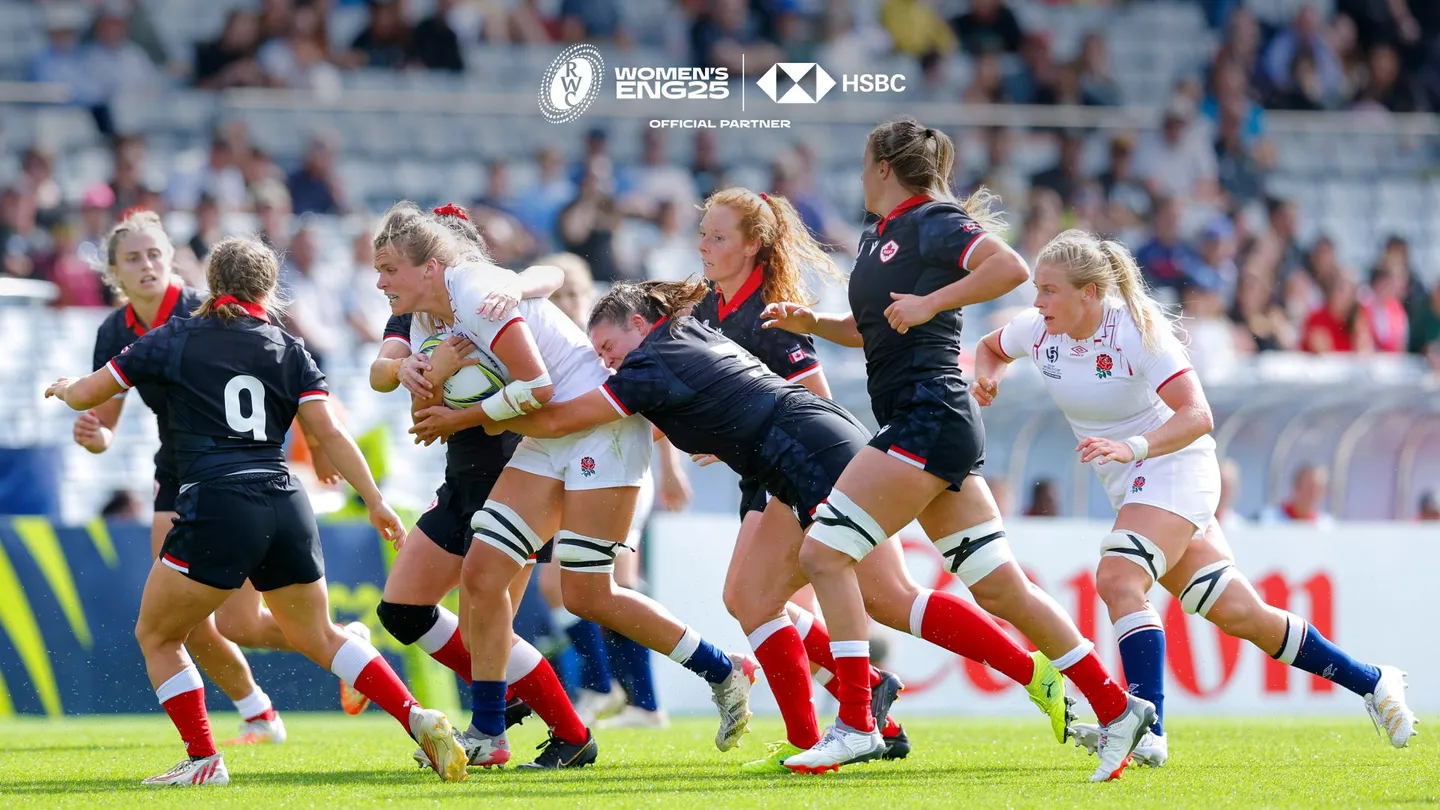
The Women’s EUROS delivered two of the most-watched TV moments of the year, with digital and streaming audiences reaching unprecedented levels. The Rugby World Cup brought huge numbers of new fans into women’s rugby, particularly younger and female viewers. Major events are powerful accelerators, they show the size of the audience when visibility is guaranteed and the spotlight is at its brightest.
But our Turning Moments Into Habits research is clear: major events spark interest; domestic leagues sustain it. Long-term fandom grows only when visibility is regular, accessible and predictable across an entire season.
This is where sustainability becomes the central challenge for 2026. For women’s sport to build lasting strength, domestic competitions need not only visibility but also investment flowing consistently through the whole pyramid: stronger clubs, deeper talent pathways, better athlete support and clearer commercial models. Elite success cannot rest on a narrow base.
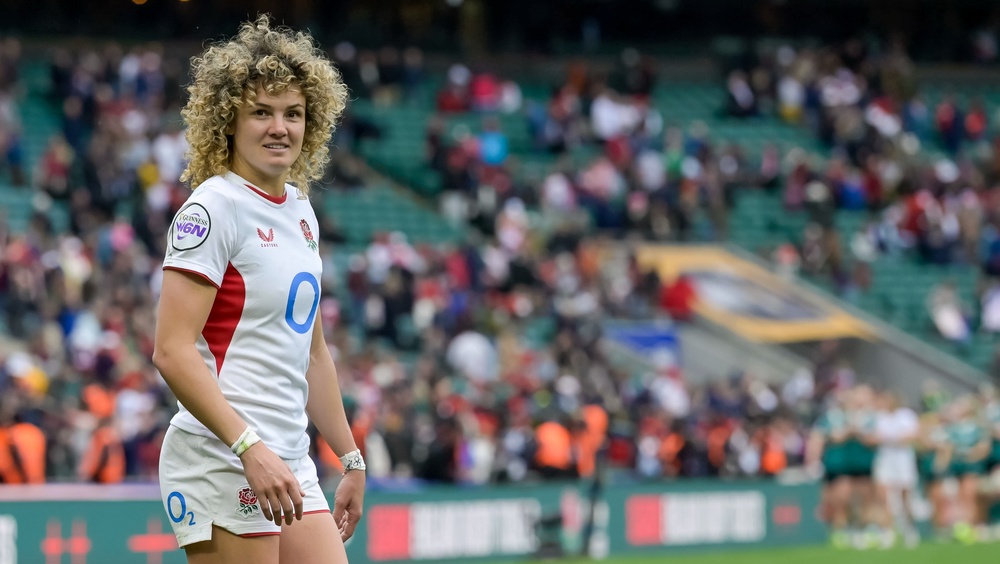
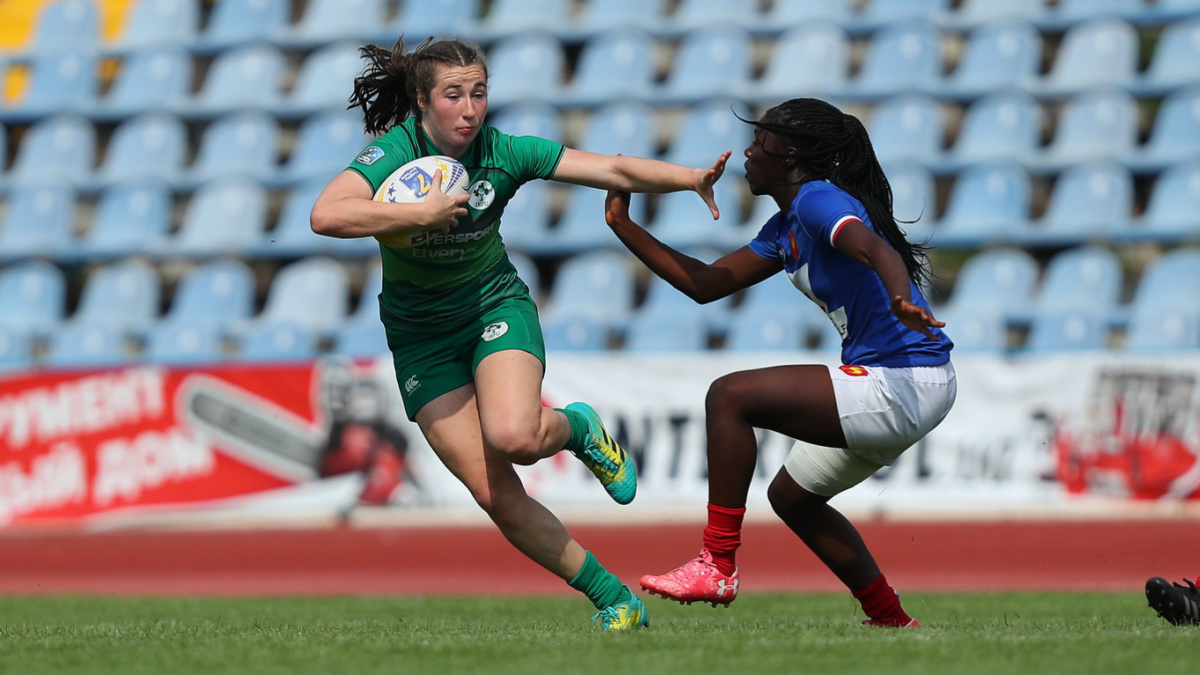
Rugby enters 2026 with a once-in-a-generation opportunity: translating World Cup momentum into weekly engagement with Premiership Women’s Rugby. Football faces a similar moment after the Women’s EURO, with the WSL positioned to benefit from heightened awareness if that visibility remains stable through the season. And cricket has the potential to be the next sport to make that leap. It already has the stars, the digital traction and the major-event audiences; the task now is connecting that excitement to the domestic calendar.
The opportunity is shared across the ecosystem: broadcasters, brands, leagues, NGBs and clubs all have a role in building the connective tissue between peak moments and everyday habit. That is what will ultimately turn momentum into a sustainable system.
A smarter, shared definition of value
2025 reinforced a truth the industry has been wrestling with: women’s sport already delivers commercial return, what’s missing is a shared way of measuring it. Our recent research found that 86% of sponsors say their investment in women’s sport met or exceeded ROI expectations, yet often brands struggle to assess potential ROI upfront or communicate its value internally.
That’s because traditional sponsorship models (built around TV reach, logo exposure and short-term impressions) systematically undervalue women’s sport. They overlook the very qualities that make women’s sport commercially powerful: emotional connection, cultural relevance, community influence, athlete-driven storytelling and the loyalty of digital-first fans. As I wrote earlier this year, we need to “align how we measure value with what we truly value.”
In 2026, the industry must shift from exposure to impact; from counting eyeballs to evaluating behaviour, sentiment and sustained engagement. Without smarter, modernised metrics, women’s sport will continue to over-deliver but under-report, and that will hold everyone back.
Understanding audiences more deeply, not just assuming they’re “different”
For years we’ve spoken about women’s sport audiences being “different”. In 2026 we will get far better at explaining how and why.
Across sports we’re seeing:
- Older broadcast audiences
- Younger digital audiences
- Higher female engagement on social
- Emerging patterns among ethnically diverse fans
- Distinct motivations: values-led, identity-led, community-led fandom
But these insights are still under-explored and under-utilised.
Fans of women’s sport aren’t simply “football fans but female” or “rugby fans but younger”. They have different thresholds for habit formation, different pathways into fandom and different drivers of loyalty.
2026 needs deeper segmentation, better persona work, and clearer strategies built on evidence, not assumption. The brands and rightsholders that do this first will win the market.
The role of athletes: a strategic advantage
One of the greatest opportunities, and risks, for 2026 lies in how the industry chooses to elevate athlete voice. Women’s sport has grown not only because of what happens on the pitch, but because of the stories being told off it. Female athletes have become cultural leaders: shaping conversations around identity, inclusion, mental health and body confidence; challenging stereotypes; and building communities that commercial marketing alone could never reach.
As our work through Unlocked has shown, athletes are driven not just by performance but by purpose – a desire to grow the game, improve participation and leave the sport better than they found it.
But as women’s sport becomes more professionalised, there is a danger the industry treats athlete impact as a “nice to have” rather than a strategic asset. In reality, athlete storytelling is one of the most commercially valuable differentiators women’s sport has: it deepens connection, builds loyalty and brings new audiences into the sport through authenticity, not algorithms. If athletes sit at the heart of women’s sport, then supporting their voice, influence and wellbeing must be treated as core infrastructure, integrated across marketing, media, governance and commercial decision-making.
Visibility as the foundation of inclusion, and the engine of cultural change
One truth underpins everything above: Visibility is not just a media objective. It is the platform on which inclusion, representation and social change are built.
When women’s sport becomes commercially valuable, it becomes culturally harder to ignore. Representation improves. Investment grows. Talent pathways widen. Audiences diversify. Media shifts.
Visibility creates value, and value protects visibility.
This virtuous cycle is beginning, but still fragile. It is imperative that the industry protects this in the year ahead.
The final hurdle: Building the system, not just the moments
We know progress is happening. More coverage. More investment. More momentum. Much of it will continue regardless, because women’s sport is now too visible, and too valuable, to go backwards.
But the breakthroughs that matter most won’t happen organically. Sustained visibility, smarter measurement, deeper audience understanding, stronger athlete support and healthier domestic pathways all require intention, coordination and industry-wide commitment.
If the sector can focus on these core areas in 2026, women’s sport will not just grow, but become also structurally stronger, more inclusive and more commercially resilient.
And this is where Women’s Sport Trust (WST) will continue to play its role: providing the independent insight, accountability and cross-sport leadership that ensures women’s sport evolves into a sustainable system all year round.
Tammy Parlour is the CEO and Co-Founder of the Women’s Sport Trust and one of the UK’s most influential advocates for women’s professional sport.