


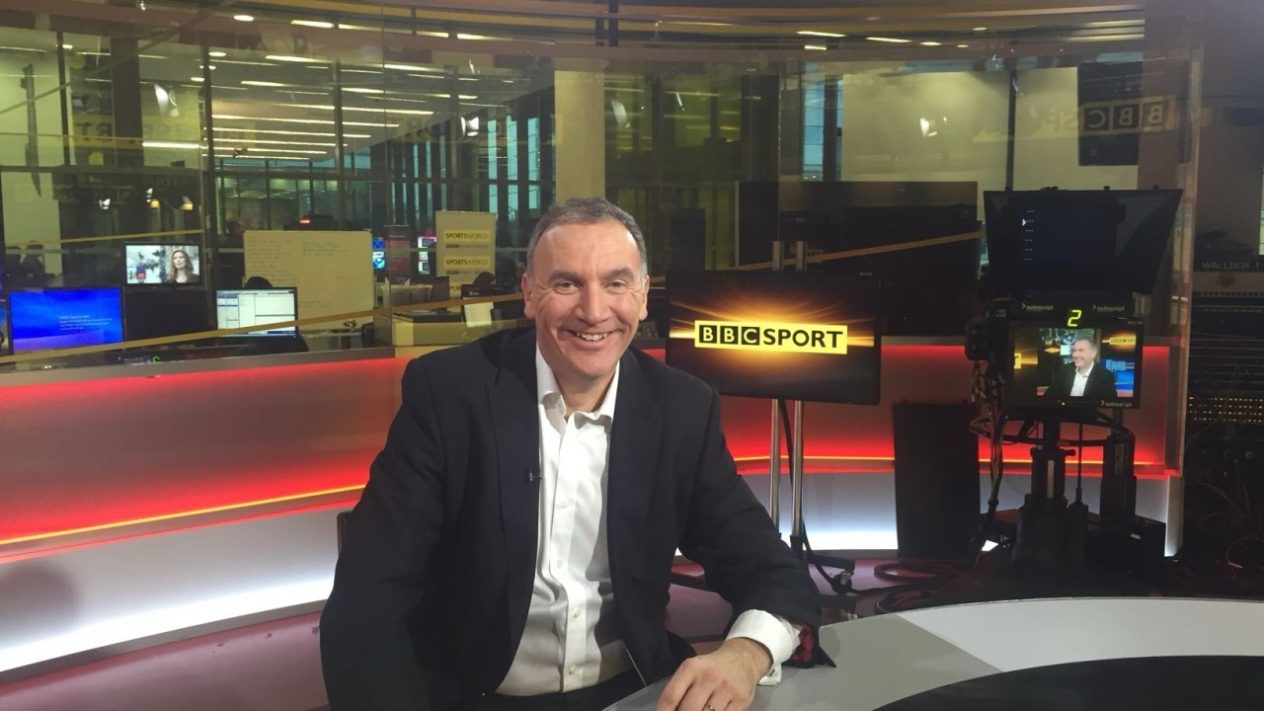
Football finance expert Kieran Maguire reflects on a year dominated by court cases, balance sheets and regulation and what it means for the game in 2026.
Some of the most interesting games of football this year didn’t happen on the pitch, but in courtrooms, balance sheets and regulatory filings.
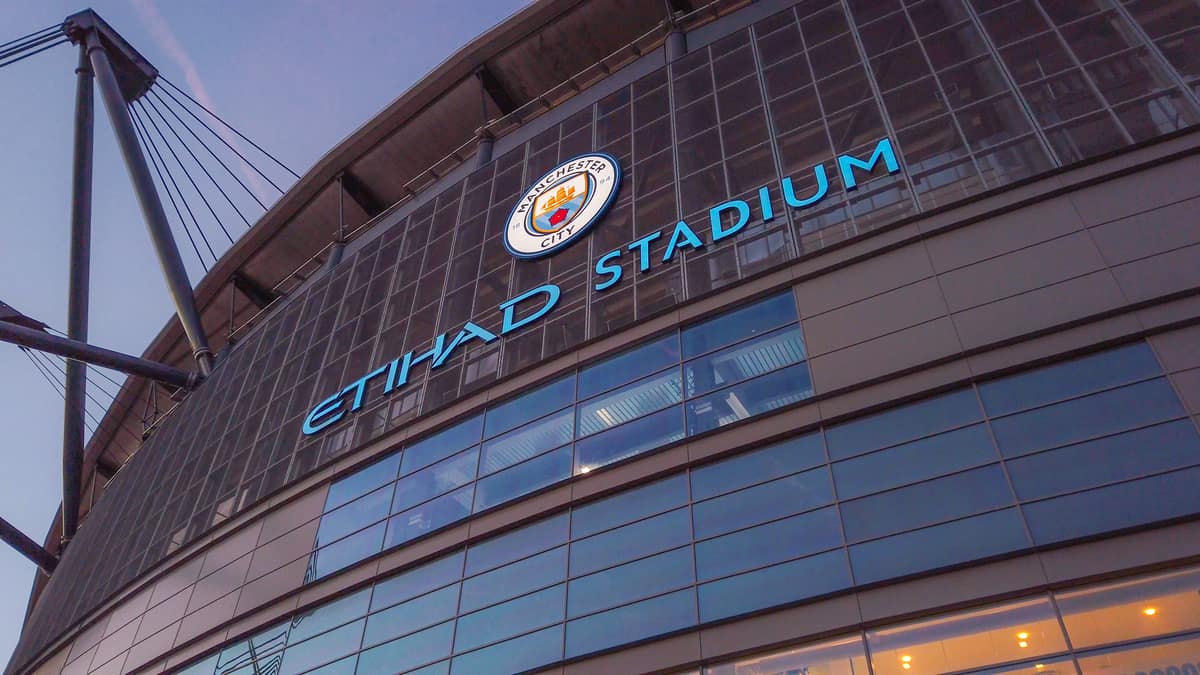
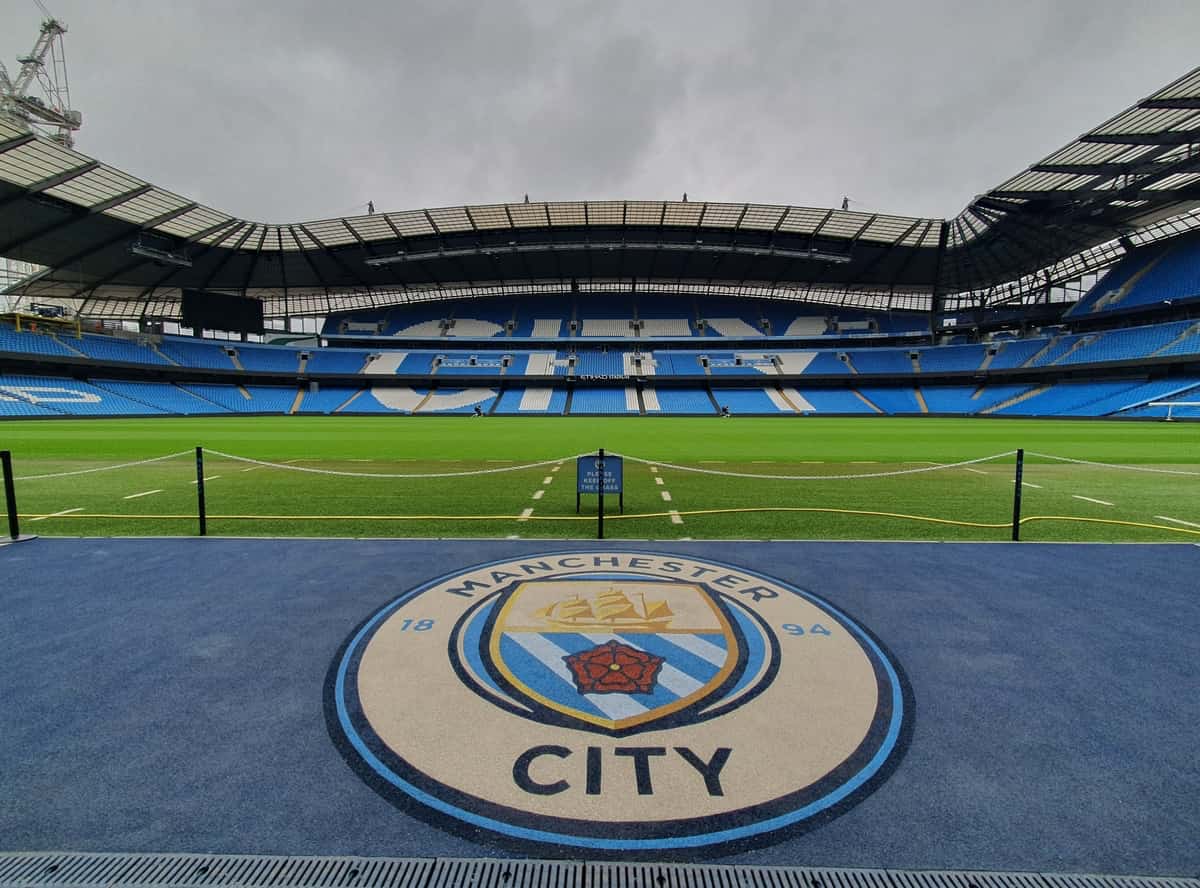
Fans are still waiting for a verdict on Manchester City’s 115 charges, yet the game has not stood still in the meantime. Chelsea have sold their women’s team and a hotel to balance the books, Crystal Palace were pushed out of the Europa League after missing a deadline and clubs across the pyramid have been forced to confront tighter financial controls and growing scrutiny.
It is fair to say football has become as much a financial and legal contest as a sporting one.
In an attempt to unpack the biggest stories of the year, and look ahead to what could define the next, Insider Sport spoke to football finance expert and The Price of Football podcast co-host Kieran Maguire.
Over the past few years, interest in football finance has grown significantly. Do you think this appetite for financial analysis will continue to grow?
Yes, I think it will. We’re likely to have the Manchester City verdict next year — we might even have it before the end of this year. Regardless of the verdict, it will be a huge issue, and it will dominate on-field and off-field aspects of the game for some time.
If Manchester City successfully defend their position, then you’ve got to wonder whether people at the Premier League can survive, because we’re talking potential legal bills in excess of £100m. If Manchester City lose, assuming they don’t go down the appeal route, then they’re likely to face huge sanctions.
That would set off a trail of claims against the club. We saw when Everton had a points deduction that other clubs said, “well, we wouldn’t have been relegated.” Over the nine-year period Manchester City are being accused, clubs will say they would have qualified for the Champions League, won the Premier League, or picked up bonuses from sponsors.
I suspect the biggest thing is that there are going to be thousands and thousands of people regretting not training to be sports lawyers, because they’re going to be the busiest people in the country. My wife says when the verdict comes out she’s got a suitcase already packed and she’s going abroad for a week. I said, make it a fortnight, because it’s going to be all-consuming.
The introduction of new rules — from the feedback I’m getting from people in finance, accounting and law — is seen as an opportunity as much as a threat. Owners who see financial control rules as hurdles feel they can always outbid the governing institutions by hiring smarter lawyers and accountants and working around them.
So the ethos of financial control rules will be broadly proven in principle, but in practice it will be a bit of a bum fight. And then we’ve got the World Cup — an expanded, heavily politicised World Cup — and it’ll be fascinating. I suspect it will be a fantastic success, because every World Cup has been.
Looking back at this year, what do you see as the biggest financial or regulatory story in football?
For me, it’s Sheffield Wednesday. Failing to pay wages on five occasions, failing to spend any money on the stadium so that one of the stands effectively became condemned.
That goes hand in hand with the regulator becoming real. While we haven’t seen the regulator do anything yet, it will certainly have an impact going forwards.
I think the concern amongst football fans is that rogue owners are still a challenge. We saw that at Morecambe — they went through a really tough period, and they’re still bearing the scars of that.
I suspect the Sheffield Wednesday story could potentially be resolved before the end of this year. The administrators have said there’s a deadline of December 5. That could be good news for Wednesday fans, but it’s still two points deductions, totalling 18 points. That’s not why we fell in love with football, and that’s a cause for concern.
You could also say Crystal Palace being demoted due to not reading their emails. In many ways, I think that’s the saddest story of the year. For an organisation to come unstuck like that is a lack of professionalism. It shows clubs have to run their own house properly, otherwise they lay themselves open to significant losses.
From 2026/27, clubs can only spend 85% of revenue on squad costs. How significant is this change, and which clubs are most affected?
Whenever there’s a change of rules, there are winners and losers. I thought it was quite telling which clubs voted against it — Brentford, Brighton, Bournemouth, Fulham, Crystal Palace and Leeds.
Five of those clubs are what you might call the middle classes of the Premier League. Leeds are slightly different. Why did those clubs vote against it? Because their historic advantage disappears.
Established Premier League clubs used to be able to lose £105m, while newly promoted clubs could only lose £61m. That advantage now goes. Their ability to compete with the clubs at the top is also diminished because they’re not big brands — they can’t match attendances, ticket prices or front-of-shirt deals.
So those clubs are going to be most disadvantaged. They’ll have to be smarter. They’re the teacher’s pets of the Premier League. I’m a Brighton fan — I hate it. I’m sick of people saying, “your club’s so well run.” I want to be a bad lad sometimes.
The old £105m loss limit over three years has been scrapped in favour of season-by-season monitoring. How do you expect this to reshape club behaviour and financial planning?
That’s right, and there’s in-season monitoring as well. I think that’s actually a good thing. You can identify overspending at an early stage and try to do something about it.
Whenever there’s a change of rules, somebody is always going to be better off than somebody else. You have to accept that. But the fact those clubs formed a block is indicative of a changing philosophy in the Premier League.
Clubs won’t be able to do what I call “doing a Chelsea” — selling hotels, car parks, or the women’s team to themselves. Selling youth team players — the commoditisation of children — will still be allowed. I suspect someone will come up with a new scheme nobody’s thought of yet.
What it changes is that clubs won’t be able to wait until the 29th of June and say, “we think we’re over, it’s time to sell something.” You’ll have to do things earlier in the season. That’s to be applauded. You shouldn’t be using the post-season period to dig yourself out of the mess you created during it.
With the Premier League banning gambling sponsors on the front of shirts from 2026/27, what impact do you foresee on club revenues and sponsorship strategies?
I think it will be replaced by crypto or digital products — gambling with a small “g” rather than gambling with a big “G”.
I don’t really see the benefit of the ban. You can still have shirt-sleeve sponsorship, perimeter advertising, and an official gambling partner. It feels like lip service by Premier League clubs.
It could actually make life more difficult for EFL clubs. If I’m an EFL club and a gambling company offers me a three- or five-year deal, what happens if I get promoted? That’s a real issue.
Rules around Associated Party Transactions (APT) were a big talking point. Why did Manchester City challenge them, and can we expect record-high sponsorships?
If I was being mischievous at City, I’d wait for the verdict. If they win the 115 charges case, I’d have a party — and then 24 hours later announce a deal with Etihad that blows everything out of the water.
It has allowed City to have greater confidence in signing deals. I think Newcastle United will benefit from this as well.
There’s a case for saying if a club has a deal that’s 30–40% over its peer group average, there should be further validation. But valuing a front-of-shirt deal is like asking how long is a piece of string — there’s no definitive guide.
Following the Crystal Palace Europa League debacle, do you expect UEFA to modify its multi-club ownership rules?
It’s been a high-profile case. People forget Derry City were kicked out entirely due to multi-club ownership.
I don’t see why the decision has to be made by March 1. Nobody at Palace or Brighton anticipated winning the FA Cup at that stage. Giving clubs a bit more time would help.
Even evidencing that you were setting up a blind trust would have counted in Palace’s favour. That could have been the difference between Europa League and Europa Conference League.
There’s been complacency at the club. It’s a classic example of failure to prepare. This is the tail wagging the dog — it should all be about football.
How do you think the introduction of an independent football regulator will affect governance and oversight?
For the vast majority of clubs, it won’t impact them at all if they’re doing the right thing. If budgets are prepared and paperwork is in order, it should just be passed across.
The hostility towards the regulator has decreased recently. When change happens, people fear the worst — then realise it’s not as bad as anticipated.
The regulator will have statutory powers the Premier League and EFL don’t have. We saw with 777 and Everton that the Premier League tried to act, but the regulator would be able to go in harder. That’s to be welcomed.
If I were a rogue owner, I’d hate it. If I’m an okay owner, it’s like an MOT for your car — annoying, but necessary.
When can we expect a verdict on the 115 charges against Manchester City, and how big could the ramifications be?
[As discussed earlier in the interview] we’re likely to have the verdict next year, and possibly before the end of this year. Regardless of the outcome, it will be all-consuming and have ramifications not just for Manchester City, but for the Premier League itself, in legal, financial and reputational terms.
Looking ahead, what do you think will be the biggest financial challenges or opportunities over the next decade?
The growing gap between leagues, particularly the Premier League and everyone else, will dominate. That leads us back into Super League discussions, whether people like it or not.
The challenge will be how football balances competition, regulation and commercial growth without losing what people care about — the football itself.