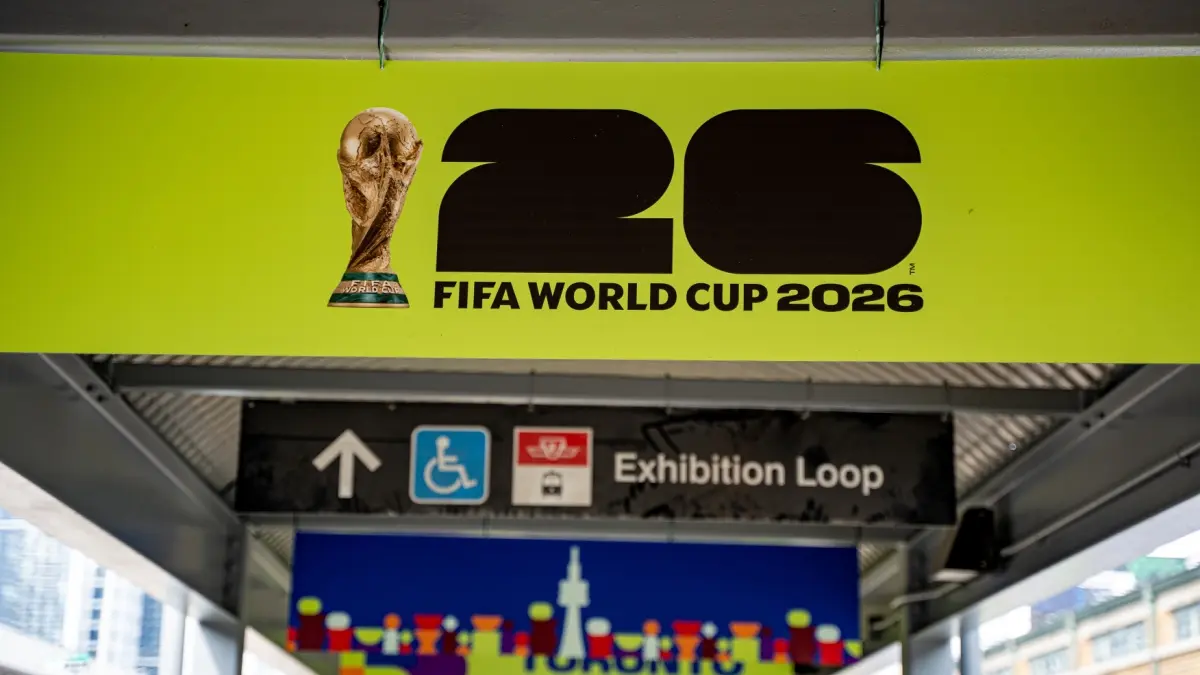




As the 2026 FIFA World Cup approaches, attention is turning to safety around US stadiums.
New data from the Federal Bureau of Investigations (FBI) has revealed which US stadiums may pose the biggest safety challenges for organisers at the 2026 FIFA World Cup.
While a new year brings fresh starts for many, one date is already highlighted for football supporters. On June 11, the 2026 FIFA World Cup kicks off and supporters from across the globe will travel to Canada, Mexico and the US. The latter of the three will host the majority of matches, including the all-important final at MetLife Stadium in New Jersey.
Supporters will likely be focused on the results, but recent analysis from ticket marketplace SeatPick suggests they should also be aware of local crime hotspots.
SeatPick used FBI data from 2024 to calculate theft reports per 100,000 residents around each of the 11 US World Cup stadiums. The analysis, compiled in November 2025, maps local law enforcement areas to each venue.
The study highlights metropolitan areas where organisers, security teams and commercial partners may face operational challenges, though it does not reflect crime inside the stadiums themselves.
“Opportunistic theft is most likely to occur in hotspots like crowded transport hubs, fan zones, bars and potentially areas immediately surrounding stadiums before and after matches,” said Gilad Zilberman, CEO at ticket platform SeatPick.
“Supporters are advised to plan travel in advance, stay in well-lit and populated areas, avoid displaying valuables such as phones, jewellery or large amounts of cash, and be mindful when using public transport late at night. Travelling in groups, using official transport options where available, and keeping personal belongings secure can significantly reduce risk.”
Top three stadiums by theft reports
Philadelphia’s Lincoln Financial Field tops the list, with 3,235 thefts per 100,000 residents. Opened in 2003, the stadium has a capacity of 69,000 and will host six World Cup matches, including a knockout-stage fixture on American Independence Day.
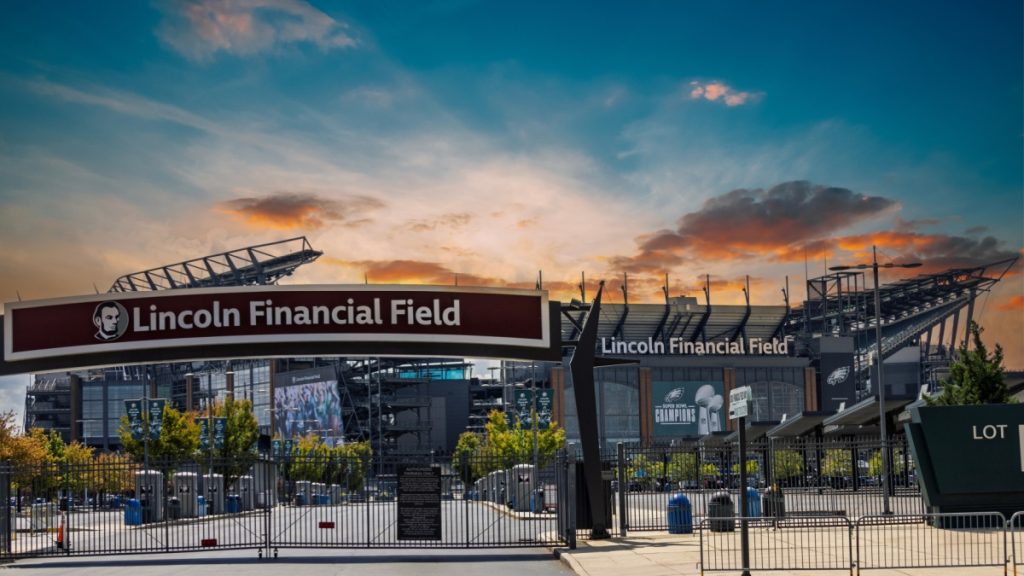
Many of the teams playing at Lincoln Financial Field include nations likely to be affected by the US’ tight visa requirements.
In November 2025, the US government launched FIFA PASS, a system giving World Cup 2026 ticket holders priority visa appointments. However, supporters of African sides like Côte d’Ivoire and Ghana, which have fixtures in Philadelphia, may still face friction when applying to enter the country.
Houston’s NRG Stadium follows closely, with 2,957 thefts per 100,000. Hosting seven matches, including two in the knockout phase, the stadium has a capacity of 72,000 and opened in 2002.
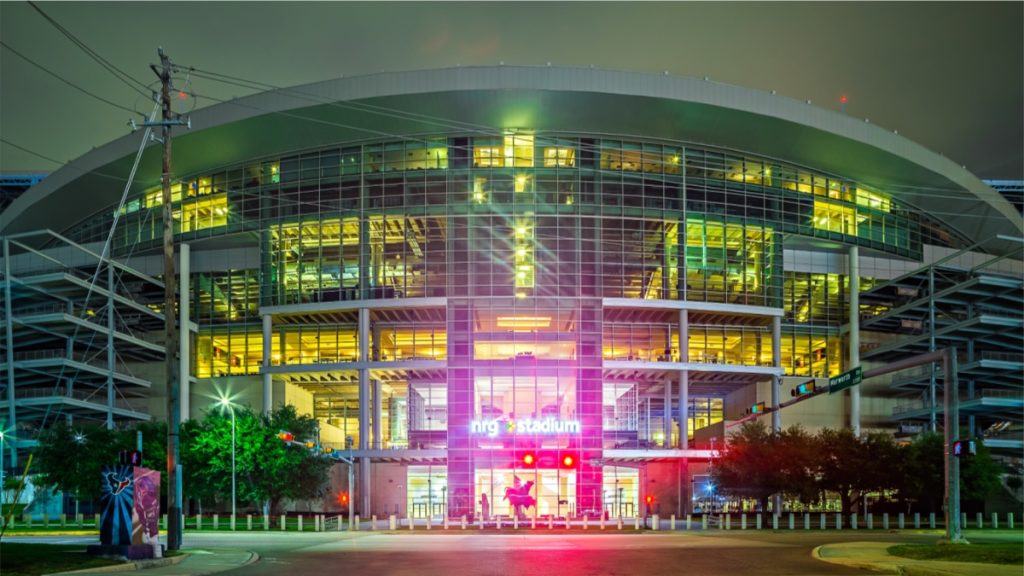
Speaking to Insider Sport after the 2022 Qatar World Cup, CEO of the Harris County Houston Sports Authority, Janis Burke, pointed to Houston’s approach to hosting mega-events:
“The US is known for putting on sporting events that engage fans like no one else in the world. Houston is also a city known for its fandom. Just look at the World Series Victory parade that took place last year as an example, where over 1.2 million people came downtown for a safe, peaceful, and fun celebration,” said Burke at the time.

Next on the list is Seattle’s Lumen Field which ranks third, with 2,929 thefts per 100,000 residents. The stadium will host six matches, including US’s second Group D game and two knockout fixtures.
The city has been one of the most talked about leading up to the tournament, mainly due to plans for a Pride match on June 26. The tournament draw, however, schedules Egypt v IR Iran that day, two countries with strict laws against same-sex sexual activity. Despite some concerns about traveling supporters’ reactions, organisers have confirmed their plans will go ahead.
Top three safest stadiums
At the other end of the spectrum, Levi’s Stadium in Santa Clara emerges as the safest, with 1,331 thefts per 100,000. Opened in 2014 and with a capacity of 71,000, it will host six matches, including Qatar v Switzerland on June 13 and the Round of 32 on July 1.
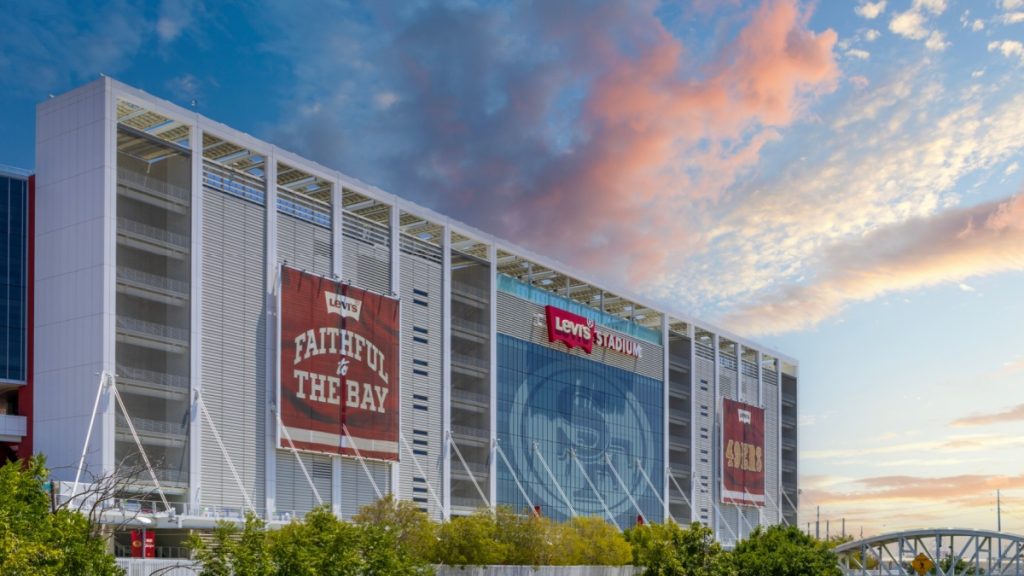
Local leaders are still deciding on safety perimeters around the stadium, though reporting from ABC7 News shows some businesses are worried that train service adjustments near the venue could reduce footfall and impact revenue.
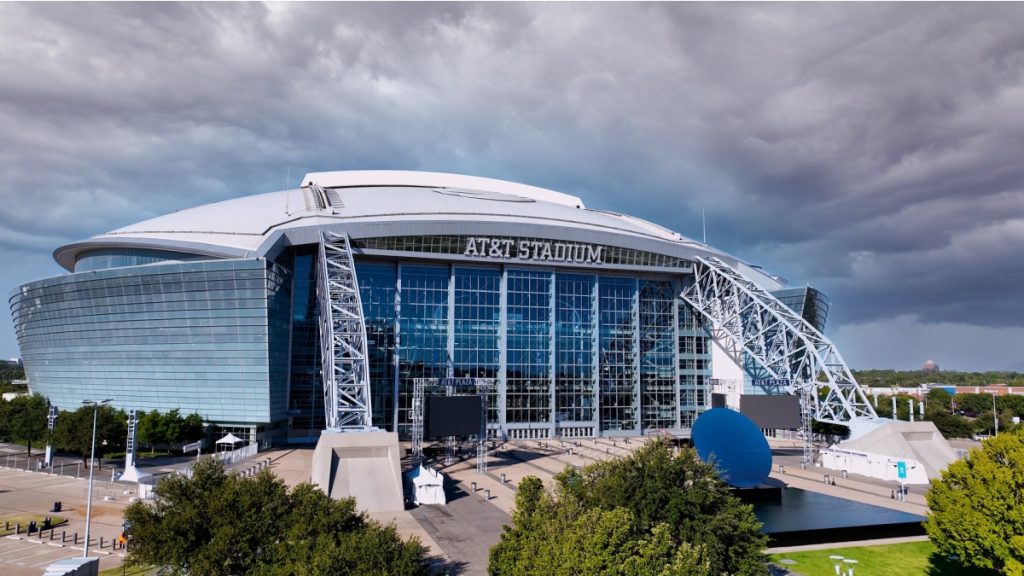
AT&T Stadium in Arlington is the second safest, with 1,750 thefts per 100,000 residents. Opened in 2009 and the largest stadium by capacity at the tournament with 94,000 seats, it will host nine matches, including four knockout games.
This is perhaps one of the most recognisable stadiums in the world due to its hanging video displays inside. The stadium has also hosted a lot of large-scale events before, such as the Concacaf Gold Cup and Super Bowl XLV.
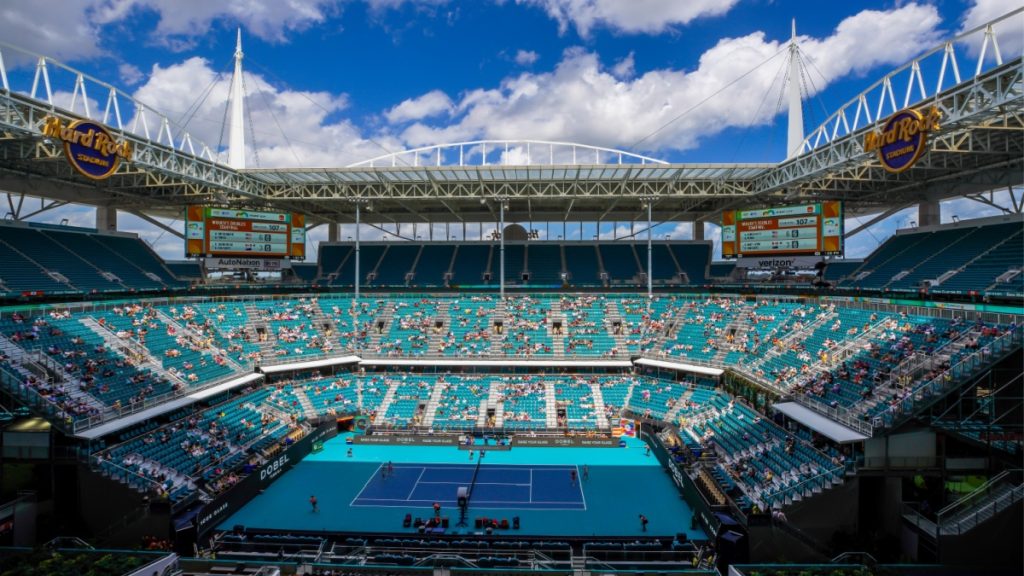
Miami Gardens’ Hard Rock Stadium ranks third, with 1,925 thefts per 100,000. Opened in 1987, with a capacity of 65,000, the stadium will host seven matches, including the bronze final.
Another key fixture is Scotland’s third group game against Brazil. Given most of Scotland’s matches are in the North East, many fans may base themselves in Boston, particularly considering the high predicted hotel and travel costs.
“The World Cup will be supported by extensive security planning at federal, state and local levels, but personal awareness remains one of the most effective safety measures,” said Zilberman.