


China is expanding its sports infrastructure, participation and domestic competitions as global leagues return to the country’s growing market.
China has revealed a new five-year plan to become a “sports power”, following the return of several international leagues to the country after years of absence.
Speaking at the Great Hall of the People in Beijing on 9 March, Gao Zhidan, Director of the State General Administration of Sports, offered a glimpse into the role sport will play in the country’s 15th Five-Year Plan (2026–30).
During China’s 14th Five-Year Plan (2021–25), sports leagues flooded back to the country to take advantage of its significant commercial potential.
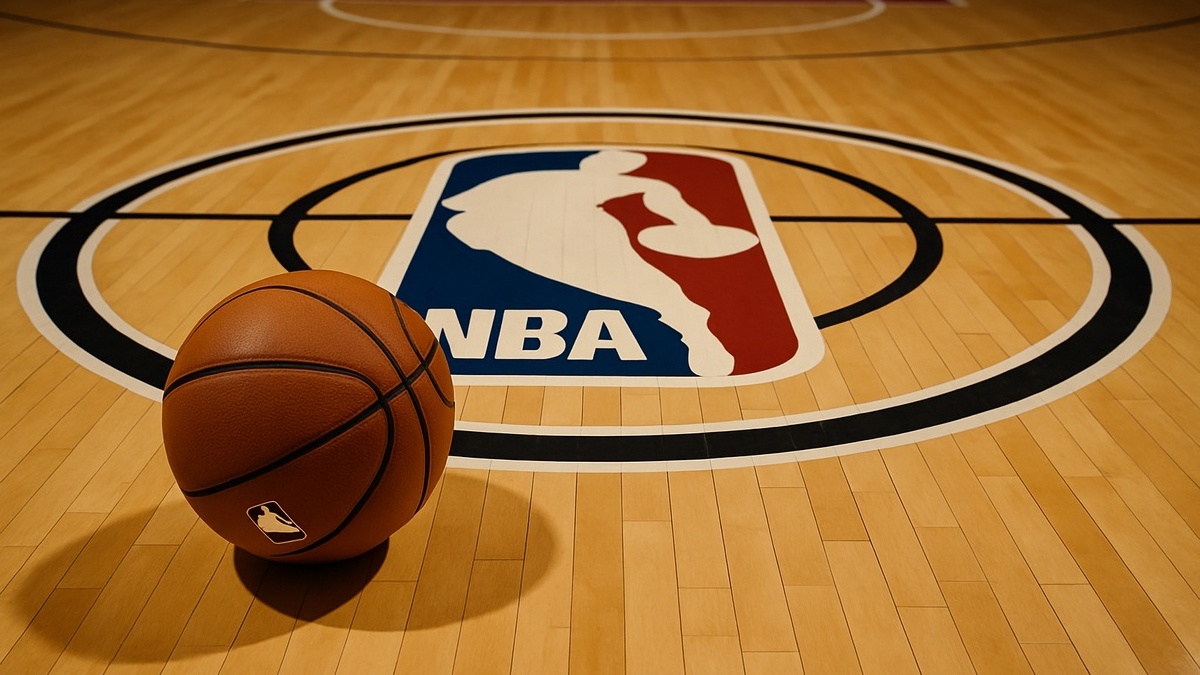
The Premier League opened a Beijing office in 2024, while Formula One returned to China the same year. The National Basketball Association (NBA) hosted matches in Macau in 2025, the first time it had played in China since 2019, and the UFC also returned in 2024, its first visit since 2014.
While these leagues and organisations have re-entered the market, the country is looking to strengthen its own sporting ecosystem in the next phase. Gao said the government would prioritise domestic development, stating: “We are going to pave the way for the building of China into a sports power.”
China’s growing sports economy
Gao’s speech highlighted several sports the country plans to prioritise, including badminton, diving, gymnastics and weightlifting, which are disciplines China already enjoys strong international success and intends to maintain its dominance.
He also outlined areas where the country hopes to make further progress, including track and field, swimming, and water sports. In addition, Gao pointed to three major ball sports – basketball, volleyball and tennis – which he said could “make breakthroughs in the 2028 Olympic Games in Los Angeles.”
China’s performance at the recent Milano-Cortina Winter Olympics was also highlighted, where the country secured 15 medals overall, including five gold, four silver and six bronze.
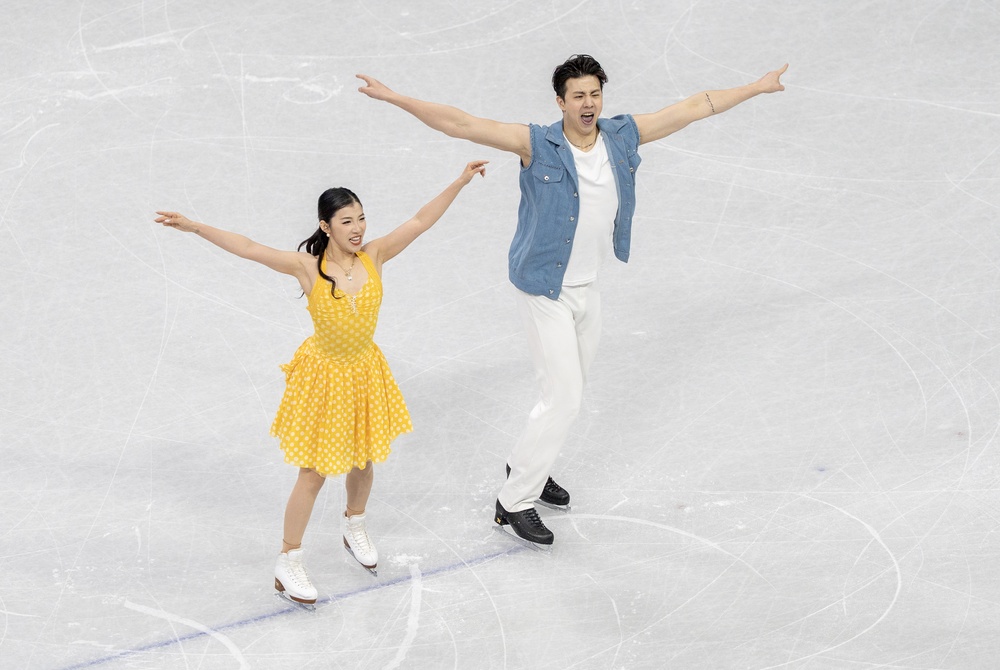
“The winter economy has exceeded our expectations, and the just-concluded Milano-Cortina Olympics Winter Games saw the use of Chinese AI technologies and Chinese brands providing gear and clothing in the Games,” Gao said.
This growth follows the Beijing 2022 Winter Olympics, which helped accelerate interest in winter sports across the country. By the end of last year, the market value of China’s ice and snow sports sector had exceeded one trillion yuan.
The wider sports economy has also expanded significantly as Gao noted over the past five years, the total output of China’s sports industry has increased by 8.8% annually, while the sector’s added value has grown by 10.5% each year.
Policy promises aimed at mass participation
Looking to build on this momentum, Gao placed strong emphasis on expanding participation in sport across the population. There are currently around 400 million people participating in outdoor sports, according to a 2025 report released by the Economic Department of the General Administration of Sport of China.
The government is looking to encourage grassroots competitions, including the country’s increasingly popular village basketball tournaments and city-level football leagues.
“We will encourage popular grassroots events, such as the villagers’ basketball league and soccer city leagues to thrive nationwide,” Gao said. “We aim to translate sports development into tangible happiness that everyone can feel and enjoy.”
A key policy focus will also be improving access to sporting facilities and events. Gao said the government aims to make sports opportunities “visible, accessible and affordable”, while integrating outdoor sports with tourism and cultural experiences.
“We will offer more policy guidance to support and promote the integrated development of outdoor and leisure sporting events with tourism and culture experience,” he said.
“We will also enrich and diversify the supply of sporting events by introducing more high-level international events and developing domestic events.
“Building more referential industry standards and strengthening training of professional talents are among the fundamental measures required for the high-quality development of the sports industry.”
How sensitive is China’s sporting future?
While many leagues and organisations left China during the Covid-19 pandemic in 2019, some relationships were abandoned for other reasons.
The NBA, for example, previously had a strong presence in the country through its NBA China Games series, which began in 2004 However, tensions emerged in 2019 after former Houston Rockets General Manager Daryl Morey expressed support for Hong Kong’s anti-government protests on social media.
Chinese broadcasters CCTV and Tencent subsequently pulled NBA games from their platforms, and although the dispute was resolved in 2022, the damage to the relationship meant the league did not immediately return to the market.
In 2025, the NBA hosted games in Macau, with the league looking to make up for lost time. China previously accounted for a significant portion of the league’s global business, with CNN reporting in 2019 the market contributed at least 10% of its revenue.
However, sporting relationships with major markets such as China, like Saudi Arabia, can be more volatile than in other regions. While these markets offer significant commercial opportunities, they also require careful relationship management.