










With a million dollar security dispute threatening seven matches, Foxborough’s municipal licensing power is proving to be FIFA’s most unexpected obstacle
With fewer than 100 days left before kickoff at the FIFA World Cup 2026, a licensing standoff in a Massachusetts suburb of 18,000 residents has emerged as one of the most consequential operational disputes in the lead-up to football’s biggest tournament.
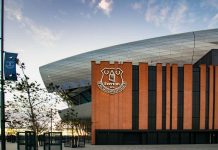
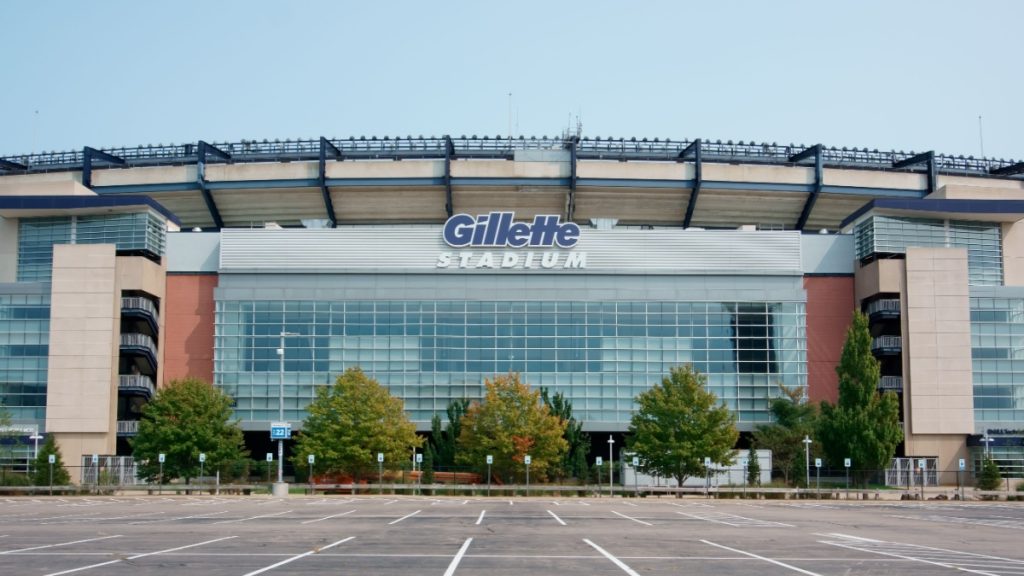
Foxborough, home to Gillette Stadium and host of seven tournament matches, is refusing to grant the entertainment license FIFA needs to stage those games – and it won’t budge until it has $7.8m in hand to cover public safety costs, according to reports from the Boston Globe.
The Kraft Group – which owns both the stadium and the New England Patriots – stated to the Globe and other regional media on 7 March, expressing deep disappointment after Foxborough’s Select Board rejected its latest funding proposal within hours of its announcement.
The offer, which pledged to settle any security invoice within two business days of receipt, was dismissed by board chair Bill Yukna as an agreement with themselves that failed to meet the town’s conditions. The board has been unequivocal in its want for the full sum paid upfront, not reimbursed after the fact.
A funding chain under strain
To understand the impasse, it helps to trace the money. The Boston Soccer 2026 host committee (the nonprofit tasked with organising the Boston-area fixtures) currently holds just $2m in cash.
It is expecting a further $30m from a combination of state and federal grants and commercial revenues, but those funds have not yet arrived.
A federal security grant programme worth $625m nationally, for which Massachusetts is eligible to receive $46m, has been delayed partly by a government shutdown.
Until that money clears, host committee President Mike Loynd has confirmed the organisation cannot cover Foxborough’s costs in full.
That funding gap has put the Kraft Group in an unusual position. The group owns the stadium but is, in effect, leasing it to FIFA for the tournament, meaning it considers itself a venue operator rather than the event’s financial guarantor.
It has nonetheless offered to backstop security costs if the host committee falls short, a commitment provided in writing. For Foxborough, that layered structure is precisely the problem: the town wants to know who writes the cheque first, not who ultimately covers it.
“What’s very confusing to us is who is the responsible party for funding,” Yukna said at a February meeting with host committee officials.
Wider implications for major event operations
FIFA’s standard model routes financial obligations through national and regional host committees, but that structure depends on funds flowing smoothly and on time.
When federal grants are delayed, or host committee finances are thin, it is local governments – with their own budgets, taxpayers, and electoral accountability – that are left exposed.
The $7.8m figure represents roughly 10% of Foxborough’s annual budget. Police Chief Michael Grace, who has been planning security operations for 18 months, is reported by the Boston Globe as saying the town still cannot secure funding for equipment already identified as necessary.
“We are 99 or 100 days away from hosting the largest sporting event in the world,” he said. That pressure is not just logistical – security staffing, transportation coordination, and emergency planning all require long lead times that are fast running out.
A public hearing is scheduled for March 17 2026, the Select Board’s stated deadline before it votes on the licence. If no agreement is reached, FIFA would face the prospect of staging seven matches – including a quarterfinal – at a venue without municipal approval.
Whether contingency venues exist is unknown, but the reputational and commercial implications of a last-minute relocation at one of the tournament’s flagship North American stadiums could be damaging.