


Security concerns push Tehran into discussions with FIFA over relocating US-hosted games, raising fresh questions for the 2026 tournament model
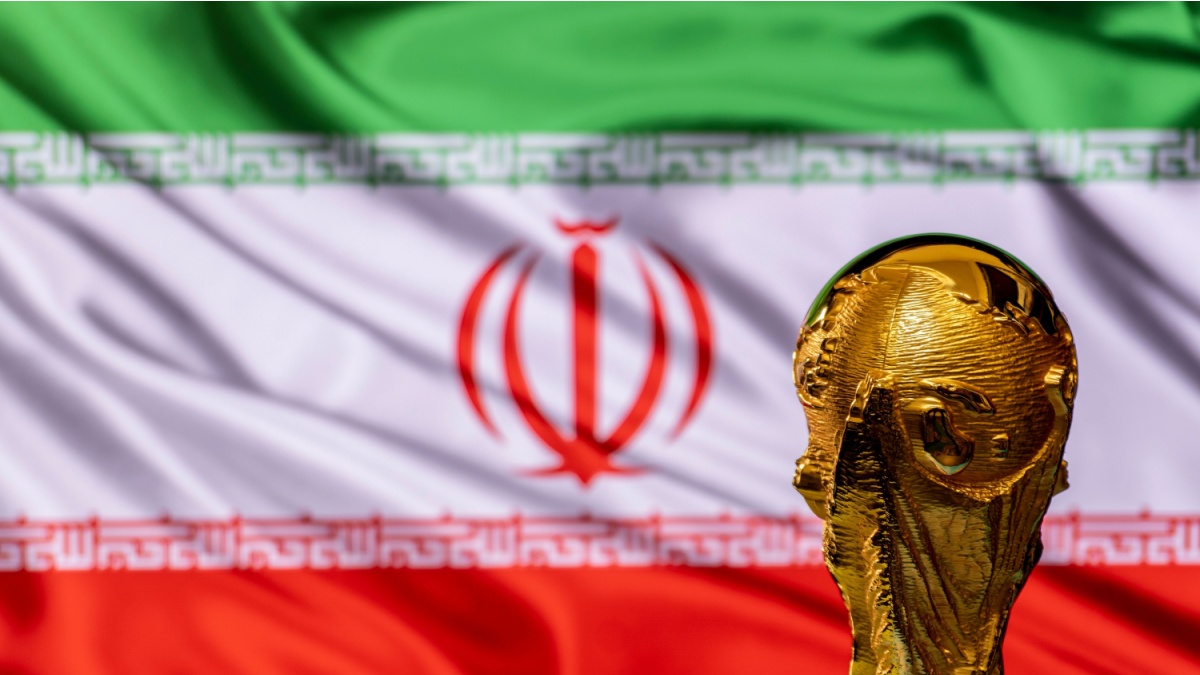
Iran is reportedly in negotiations with FIFA to relocate its 2026 World Cup matches from the US to Mexico.
According to Reuters, the Iranian Football Federation has opened discussions with FIFA about player safety, with president Mehdi Taj stating that the team would not travel to the US under current conditions.
Iran is scheduled to play their Group G fixtures in Los Angeles and Seattle, having qualified for the tournament alongside Belgium, Egypt and New Zealand. However, Taj said the federation is seeking to move those matches to Mexico, another co-host nation, citing comments from US President Donald Trump that he could not guarantee the team’s safety.
“We are negotiating with FIFA to hold Iran’s World Cup matches in Mexico,” Taj said, in remarks reported across multiple outlets.
The Iran Football Federation had initially boycotted the World Cup draw due to travel restrictions, but three delegates, including Head Coach Amir Ghalenoei, were granted visas to attend.
“We had the finals draw in Washington DC, in which all teams participated, and our focus is on a safe World Cup with all the teams participating,” said FIFA Secretary General, Mattias Grafström. “We will continue to communicate as we always do with the three (host) governments. Everybody will be safe.”
Iran was drawn to play against New Zealand on 16 June and Belgium on 21 June in California, and its final Group G game against Egypt on June 27 in Washington.
Trump comments add political pressure
The request has been shaped in part by comments from Trump, who has publicly questioned whether it would be appropriate for Iran to play matches on American soil.
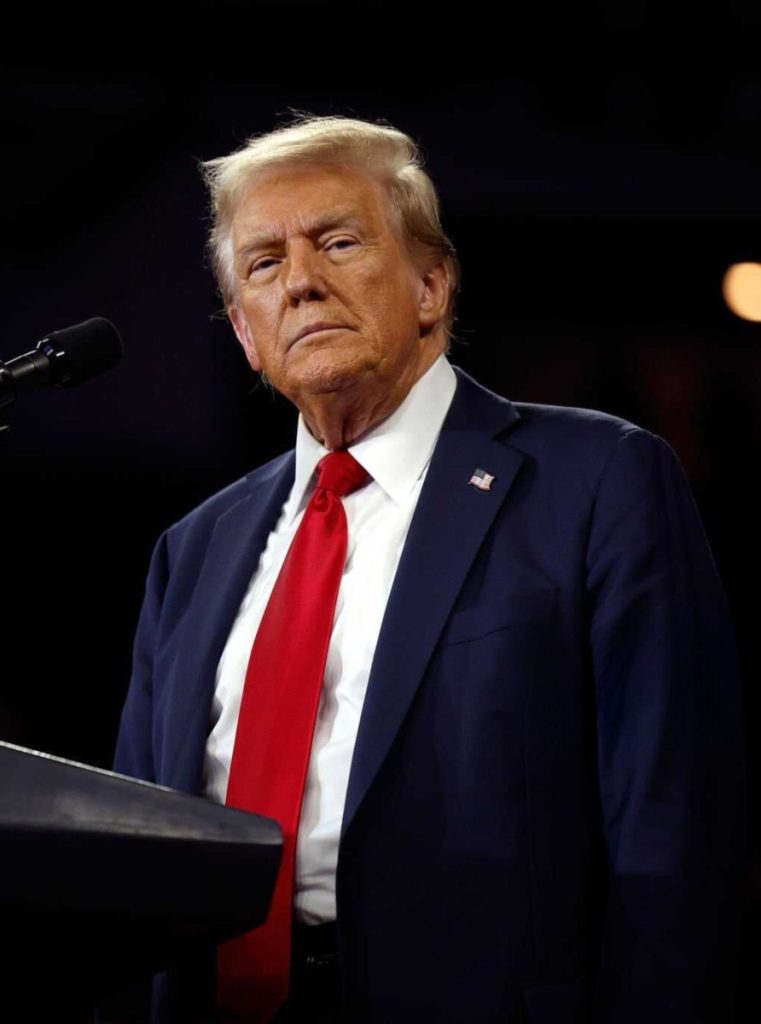
“The Iran national soccer team is welcome to the World Cup, but I really don’t believe it is appropriate that they be there, for their own life and safety,” the US president said on his Truth Social platform.
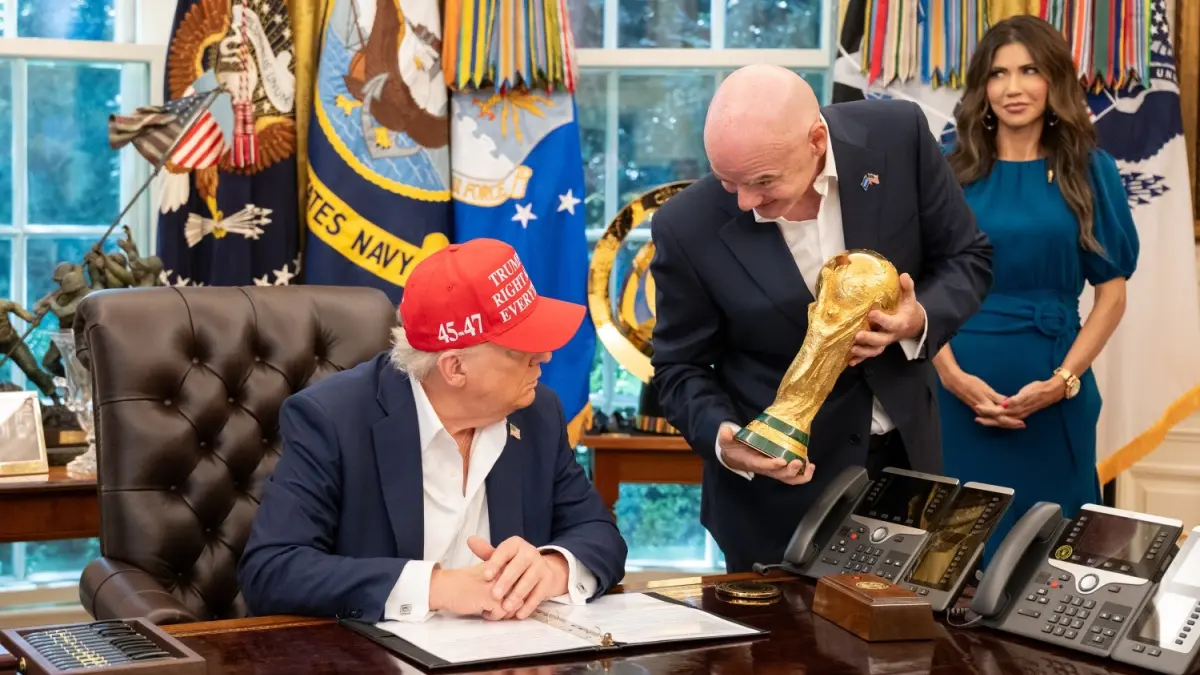
While no formal policy decision has been announced by US authorities, the remarks have added political weight to Iran’s position and intensified scrutiny on FIFA’s role in managing the situation. FIFA chief Gianni Infantino had previously relayed apparent assurances from Trump that Iran would be welcome at the World Cup.
“We also spoke about the current situation in Iran, and the fact that the Iranian team has qualified to participate in the Fifa World Cup 2026,” Infantino wrote in a post on Instagram on 10 March. “During the discussions, President Trump reiterated that the Iranian team is, of course, welcome to compete in the tournament in the United States.
“We all need an event like the FIFA World Cup to bring people together now more than ever, and I sincerely thank the President of the United States for his support, as it shows once again that football unites the world.”
FIFA, for its part, has yet to issue a public response to either Trump’s latest comments or Iran’s request, maintaining its standard position of political neutrality as discussions continue behind closed doors.
Security concerns drive request
The request follows a sharp escalation in geopolitical tensions involving Iran, the US and Israel. Reports indicate recent military action has heightened security concerns around Iran’s participation in a US-hosted event.
Iran’s sports minister had previously suggested that participation in the tournament may be “impossible” under current conditions, though no formal withdrawal has been communicated to governing bodies.
Despite the rhetoric, the Asian Football Confederation has confirmed it has received no official notification of withdrawal, signalling Iran still intends to compete, albeit under revised hosting arrangements.
Any relocation of fixtures would present a significant operational challenge for FIFA and the local organising committees.
The 2026 World Cup is the first to be hosted across three countries – the US, Mexico and Canada – with match allocations, ticketing, broadcast agreements and commercial activations already tied to specific venues.
Iran’s group-stage matches are currently scheduled across West Coast US venues, and shifting them to Mexico would require a reworking of logistics, travel schedules and potentially wider group arrangements.
While precedents exist for relocating fixtures due to security concerns, such changes have typically been limited in scope. The scale of the World Cup, particularly in its expanded 48-team format, makes any adjustment more complex.
FIFA has not yet publicly responded to the request.
Knockout-stage uncertainty
Even if FIFA were to accommodate a relocation of Iran’s group matches, questions would remain over the later stages of the tournament.
Under the current format, teams advancing from the group stage are slotted into a fixed knockout bracket, with host venues pre-determined.
This raises the prospect that Iran could still be required to play in the US if they progress beyond the group phase, depending on bracket pathways. One potential scenario outlined suggests Iran could face the US itself in a knockout fixture hosted in Dallas, should both teams advance.
Iran has never progressed beyond the group stage in any of their World Cup appearances. At the last World Cup in 2022, Iran was eliminated in the group stage, finishing third in Group B behind England and the US. They picked up 3 points from 3 matches and missed out on the knockout stages by a narrow margin.
If FIFA declines to move the fixtures, Iran’s participation in the tournament could come into question.
Officials have previously indicated that withdrawal remains on the table, which would carry significant consequences. FIFA regulations provide for financial penalties and potential exclusion from future competitions in the event of a late withdrawal.
A withdrawal would also create a competitive vacuum. Reports suggest FIFA would need to identify a replacement team, with potential candidates drawn from the Asian qualification pathway, although no formal process has been outlined.
Such a scenario would mark an unprecedented development in the modern era of the World Cup.