


F1 sponsors will experience the biggest disruption from the Bahrain and Saudi cancellations.
Formula 1 (F1) is unlikely to feel any long term impacts from cancelling the Saudi Arabia and Bahrain Grands Prix, according to an industry expert.
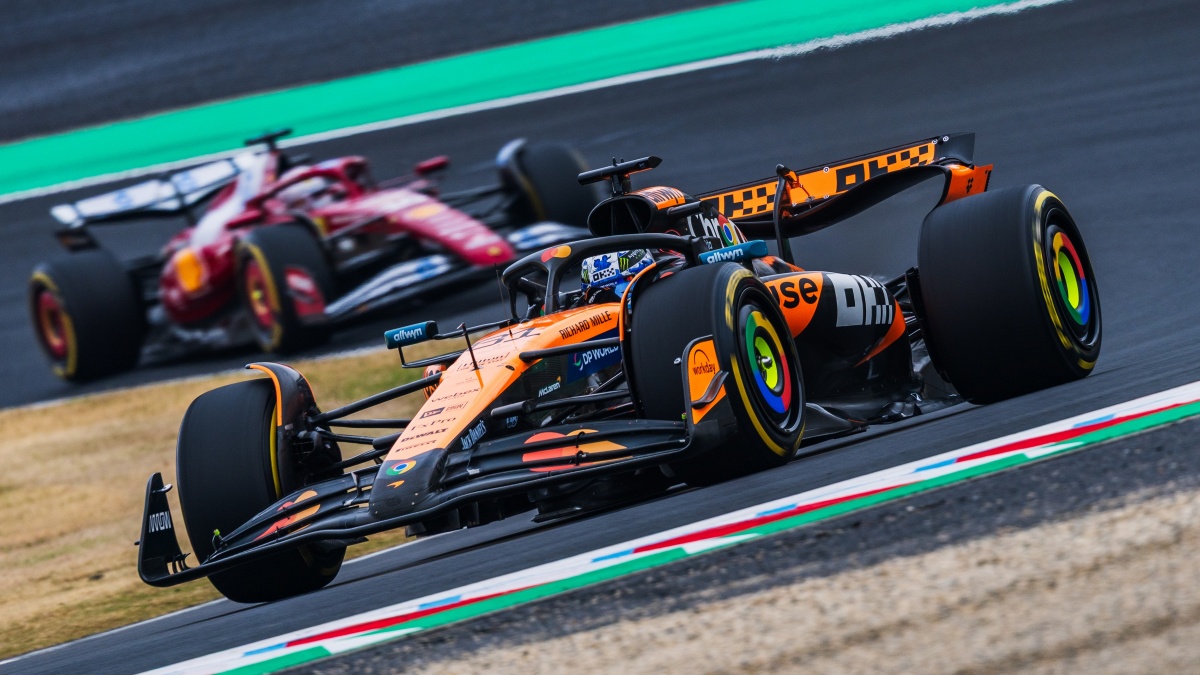
The 2026 F1 season began on 6 March and is already well underway, with the Australian and Chinese Grands Prix completed and attention now turning to Japan.
However, it has perhaps not been the flawless start the series would have hoped for. Earlier this week, the FIA confirmed the Bahrain and Saudi Arabian Grands Prix will not take place in April due to the ongoing US-Israel war with Iran.
“The FIA will always place the safety and wellbeing of our community and colleagues first,” said Mohammed Ben Sulayem, FIA President.
“After careful consideration, we have taken this decision with that responsibility firmly in mind. We continue to hope for calm, safety and a swift return to stability in the region, and my thoughts remain with all those affected by these recent events.”
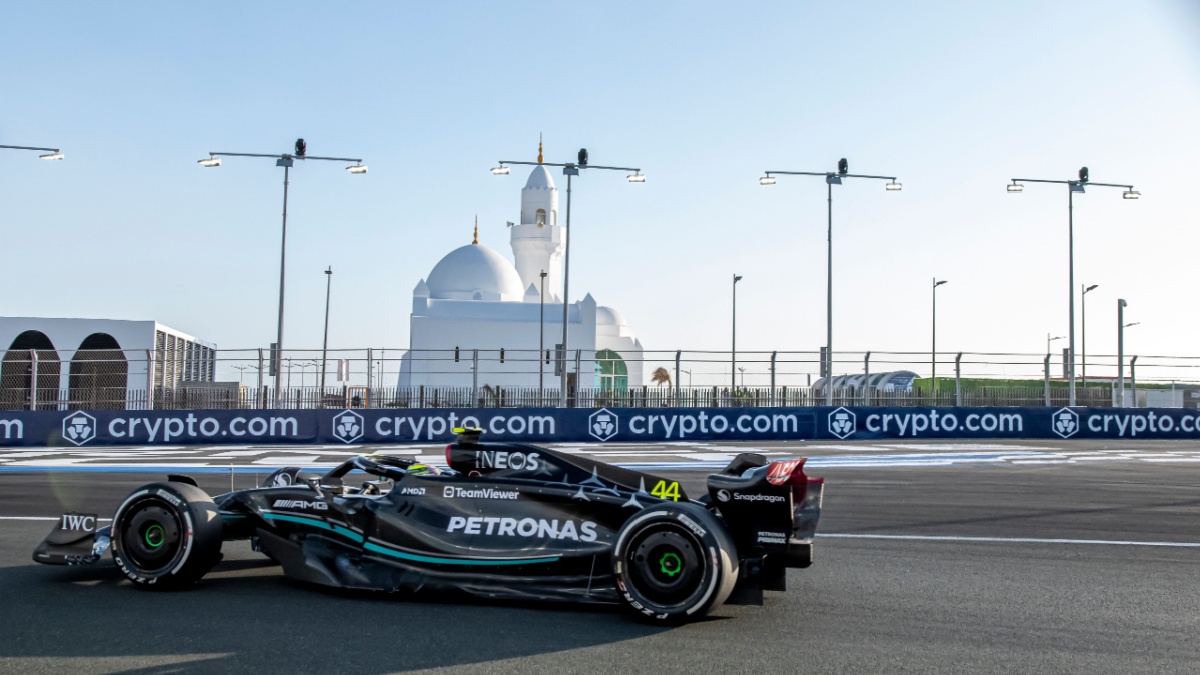
There will now be a five week gap between the Japanese Grand Prix and the Miami Grand Prix, which is set to take place at the beginning of May. Despite Saudi Minister of Sport Prince Abdulaziz bin Turki Al Faisal stating that the country was ready to host, the season has been reduced to 22 races.
What’s the damage to F1?
The biggest impact of cancelling races for F1 is the loss of hosting fees, which typically range from $20m to $55m per race. Middle Eastern races such as Qatar, Saudi Arabia and Bahrain are widely reported to be among the most expensive.
According to reports, missing out on these two hosting fees could lead to commercial losses of around $100m. This would usually be shared between F1 and its 11 teams. However, Adam Kenneth Lewis, Sponsorship Analyst at Ampere Analysis, tells Insider Sport that the situation should not have long term implications.

“The loss of race income and unmet contractual sponsorship obligations will impact F1 as a governing body, and potentially F1 teams, a little bit in the short term. However, on momentum, this is unlikely to disrupt long term earning potential for the series,” says Kenneth Lewis.
He explains since Liberty Media acquired the sport in 2017 the championship has built a “solid foundation for its commercial, audience, and sponsorship growth overall.”
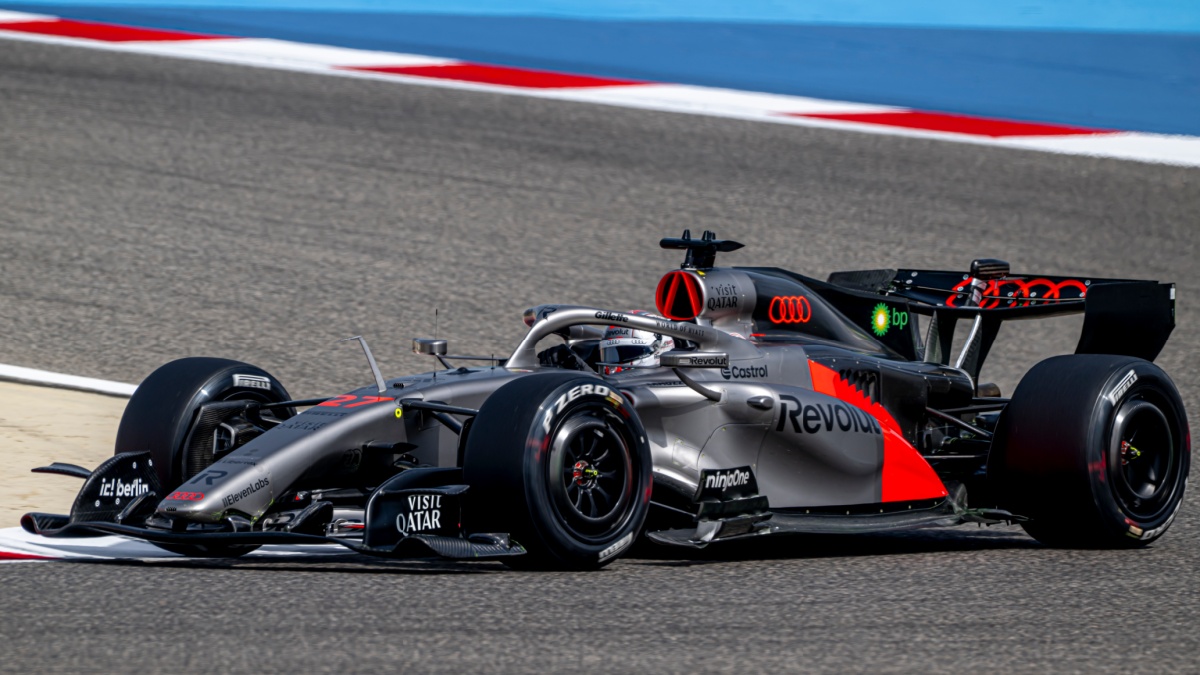
The key losses from missing two race weekends are likely to be felt most by sponsors, which typically expect a guaranteed level of exposure as part of their agreements.
While attending F1’s Media and Technology Centre in Biggin Hill last November, the organisation showed Insider Sport new AI technology which allows signage to be digitally changed in broadcasts in order to meet sponsor exposure requirements.
Kenneth Lewis explains for brands such as Aramco, Ma’aden, and STC, whether as Race Title sponsors or major team partners, this will impact activations within their home markets, should they have been planned.
Aramco currently holds a multi year strategic partnership with F1, serving as a global partner since 2020 and the title sponsor of the Aston Martin Aramco Formula One Team.
Given the new rules around sustainable fuels for 2026, the Saudi company may have planned activations in its home market around the races.
“How race cancellation impacts F1 team and F1 finances is likely bespoke to each deal and not available public information, but rescheduled and repackaged activations may be one prudent avenue for missed opportunity,” says Kenneth Lewis.
Warning signs were already there
Sponsors and teams may have had activations planned, but the cancellations were not entirely unexpected. Earlier this month the FIA announced it was closely monitoring the conflict in the Middle East.
This followed reports that some teams were delayed in reaching Australia for the opening race weekend due to travel restrictions in the region. F1 adjusted certain rules around when teams could last work on their cars to offset any competitive disadvantage caused by these delays.
These developments were early warning signs of the cancellations. In addition, Kenneth Lewis tells Insider Sport that “the nature of F1 as a worldwide sport means that these are principal risks and uncertainties that brands are likely already to be aware of.”
The F1 calendar has previously been affected by cancellations, including Bahrain in 2011, Belgium in 2021 and Emilia Romagna in 2023. While losing a race weekend creates short term commercial losses and can disrupt momentum, the impact is typically absorbed across the rest of the calendar through other race weekends and commercial activations.
“These remain blips, however, and are likely not to be devastating blows to the validity of the commercial earning potential of the series long term,” says Kenneth Lewis.