

Search
Choose a style
Dark
Light
Features

BREAKING
Features
Time to read: min
Sideline Moves - Arsenal to cut 60 jobs amid new Arteta deal
October 16, 2026

BREAKING
Features
Time to read: min
New Paramount-Warner Bros deal creates $55bn sports conglomerate
October 7, 2026
BREAKING
Basketball
Time to read: min
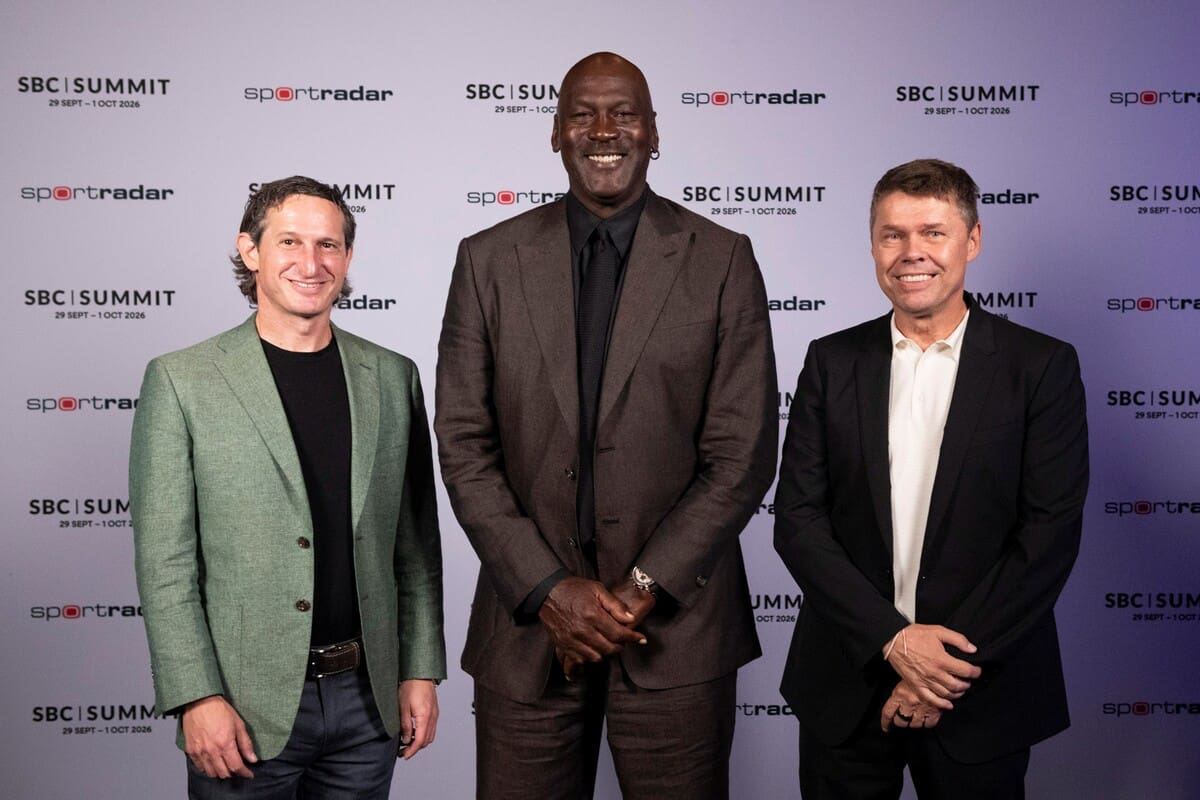
SBC Summit: Michael Jordan on sport branding, NASCAR, and more
September 29, 2026

BREAKING
Features
Time to read: min
Manchester City found guilty of almost 115 Premier League financial breaches
September 25, 2026
BREAKING
Europe
Time to read: min
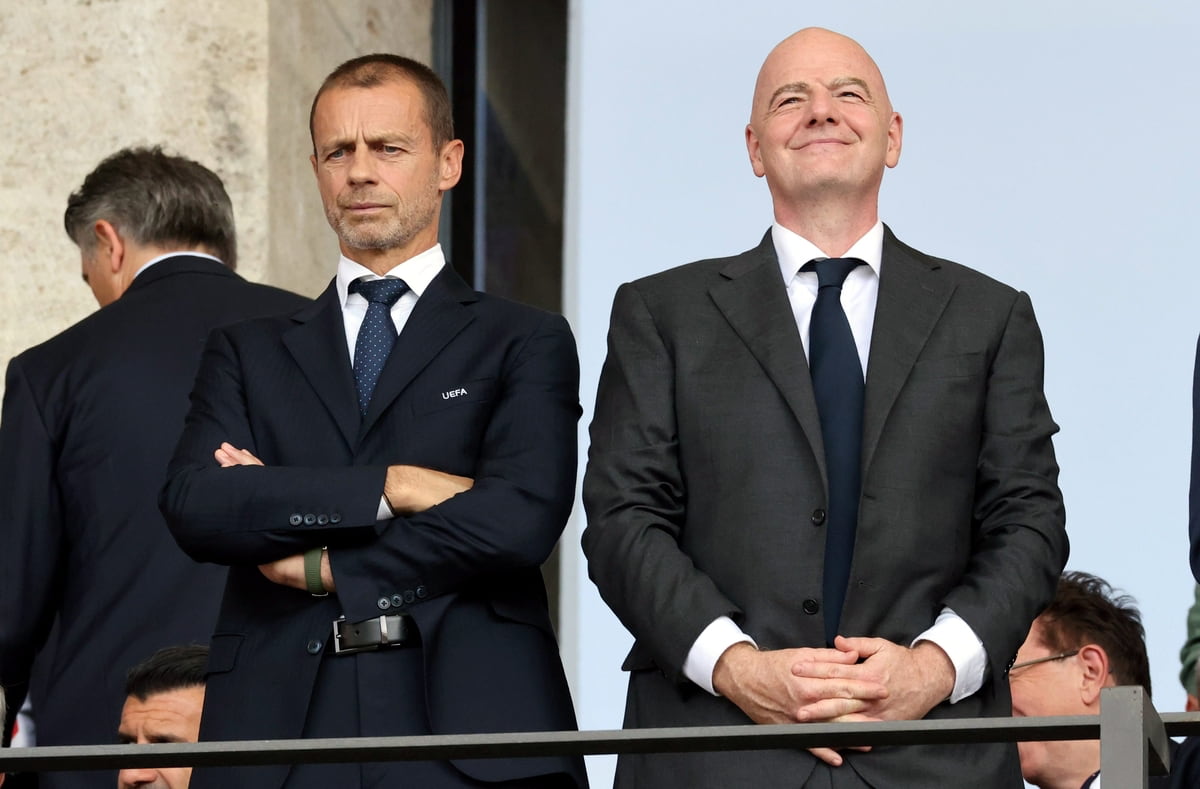
Is Čeferin’s fourth-term bid following Infantino’s FIFA playbook?
October 12, 2026
BREAKING
Europe
Time to read: min
France's FFF drops support for Infantino's FIFA re-election
September 10, 2026

BREAKING
Commercial
Time to read: min
FIFA World Cup sell-off: Trump defends Infantino as UEFA, CONCACAF, AFC attack act of "deception"
August 18, 2026
BREAKING
Football
Time to read: min
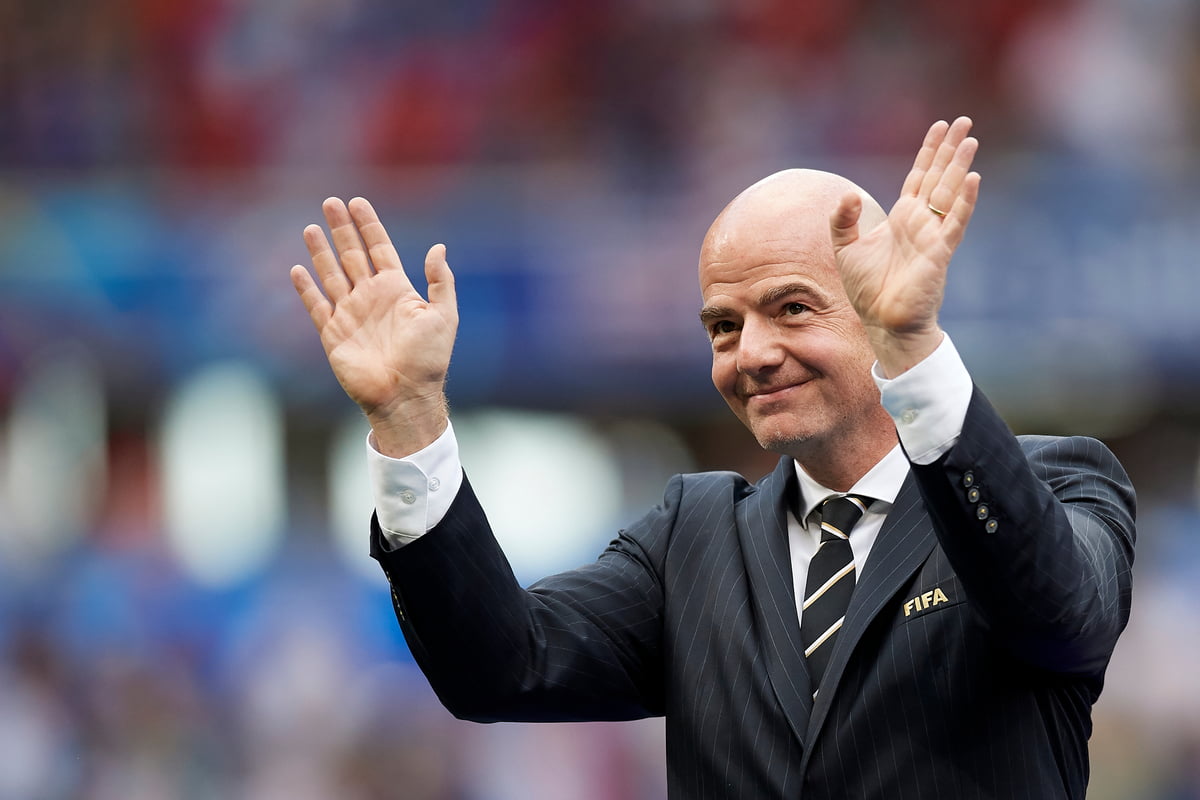
With Infantino in ‘survival’ mode, who will oppose him for FIFA Presidency
October 16, 2026
BREAKING
Europe
Time to read: min
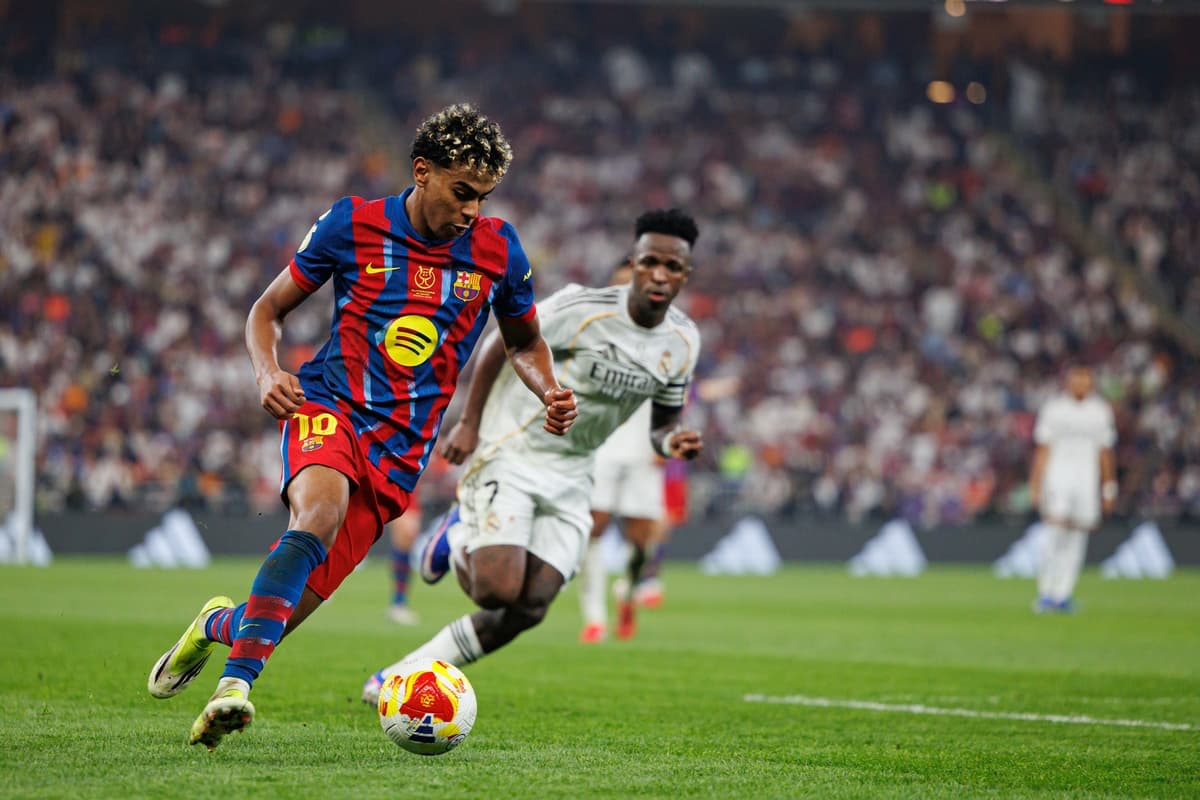
Real Madrid calls for urgency to UEFA over FC Barcelona investigation
October 2, 2026
BREAKING
Football
Time to read: min
FIFA says UEFA is targeting Infantino's re-election
September 29, 2026
BREAKING
Europe
Time to read: min
Should Premier League clubs have long-term doubts over transfer spend?
September 25, 2026
BREAKING
Football
Time to read: min
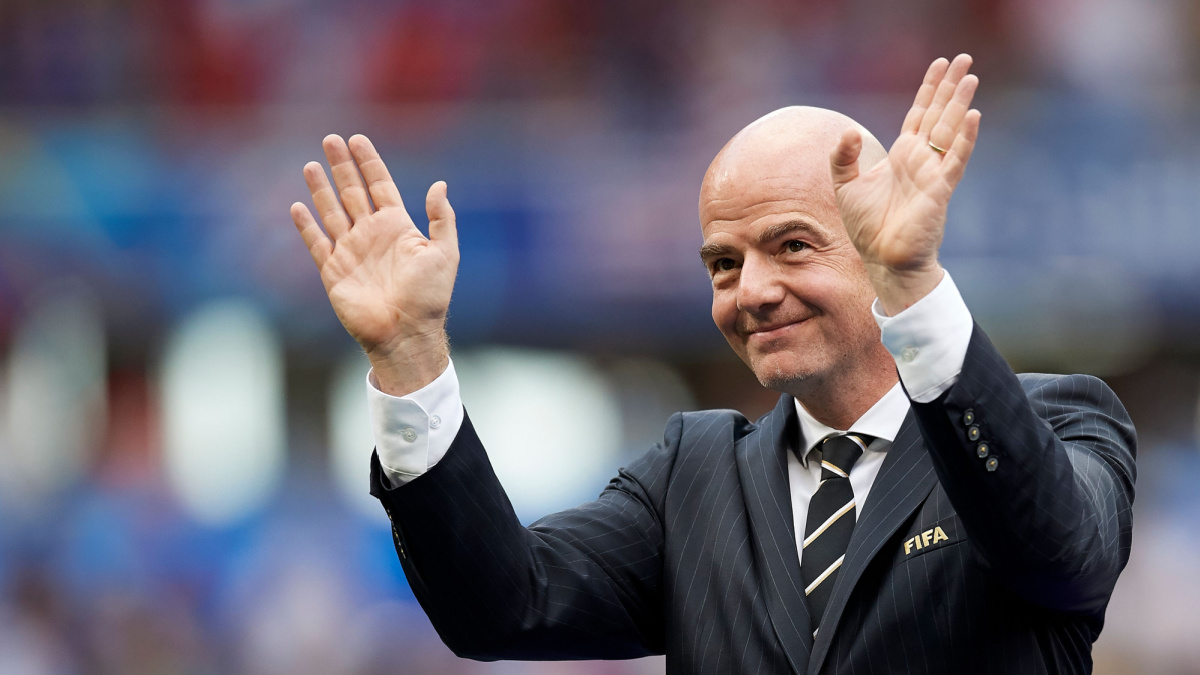
EFA, CONCACAF tell Infantino to give each FA extra $10m
September 21, 2026
UEFA’s Euro 2028 to freeze ticket prices in dynamic pricing rebuke
You’ve shared it!
UEFA will broadly freeze ticket prices for Euro 2028, with five of the cheapest seats available for less than the cost of parking at a World Cup stadium in the United States.
UEFA has confirmed it will “broadly” freeze ticket prices for Euro 2028, with more than 40% of all tickets reserved for the two most affordable “Fans First” categories.
This decision throws the governing body’s approach into sharp relief against FIFA‘s widely criticised pricing model for this summer’s 2026 World Cup.
The tournament, set to be hosted across nine venues in England, Scotland, Wales and the Republic of Ireland from June to July 2028, will see the cheapest group-stage tickets kept below £30 ($39), with the next tier below £60. Those figures broadly mirror the €30 (£26) and €60 (£52) prices charged at Euro 2024 in Germany.
The contrast with the 2026 World Cup in the US, Mexico and Canada is notable, with the cheapest group-stage tickets for England at this summer’s tournament originally priced at $220 (£167), and the most expensive at $700 (£523).
FIFA eventually responded to pressure by releasing a limited number of $60 (£45) tickets across all 104 matches – but even that concession barely scratches the surface of the tournament’s wider cost burden for fans.
The Athletic reported the average charge for parking at a World Cup venue in the US is $175 (£133). At MetLife Stadium near New York, spaces for group-stage games are priced at $225 (£171) – more than five times the cost of the cheapest Euro 2028 ticket. Train ticket prices are also expected to rise during the tournament.
A tale of two tournaments
The differences extend well beyond headline ticket prices. UEFA has committed to allocating 10,000 tickets per country for every group-stage match, compared to fewer than 4,000 per national association at the World Cup despite most US stadiums being significantly larger.
UEFA has also ruled out dynamic pricing entirely, while FIFA has applied it throughout its sales periods, drawing accusations of deliberate inflation.
UEFA has said face value will be the ceiling for resale tickets too, while World Cup tickets are available on a secondary market at inflated prices – with FIFA taking a 30% cut split between buyer and seller.
Ross Taylor, Head of Sport at MTM, tells Insider Sport that UEFA’s approach was likely to land well with supporters: “Given the public furore around pricing for the World Cup this year, the idea that tickets will be sold (and re-sold) at a standard face value is likely to land well.”
Taylor added: “Whilst events such as the Oasis comeback have shown that fans will sometimes swallow dynamic pricing for an event they really want to attend, the negative press and sentiment that accompanies this is an own goal for organisations. It appears that UEFA are listening and levelling the playing field.”
The dynamic pricing debate
Not everyone agrees that dynamic pricing is inherently harmful, however. Jean-Pierre Dubé, Distinguished Service Professor of Marketing at Chicago Booth School of Business, argues the backlash against the model is often misdirected.
“Dynamic pricing has come under intense fire and faced harsh consumer backlash in recent times, and for an event like the World Cup, there will likely be outcry again,” he tells Insider Sport.
“However, criticism against dynamic pricing is misguided – after all, it is essentially about allowing the price of something to adjust to market conditions.”
Dubé contended that if organisers price tickets too cheaply, the gap is simply captured by secondary markets.
“If the artist or organiser sells tickets for an extremely popular show too cheaply, those tickets will just re-sell on secondary markets like StubHub or Vivid at much higher prices. So why is it more fair for third-parties and scalpers to get the fair market price?”
This argument may hold in theory, but UEFA’s approach suggests it has drawn a different conclusion about what serves both the tournament’s commercial interests and its broader public purpose.
Disabled supporters provide one telling example of the values at stake: at Euro 2028, they can access the cheapest categories and request a free companion ticket, while at the World Cup they must pay full price with no provision for a helper.
UEFA will use revenue from a small number of premium VIP+ tickets to help subsidise the freeze on general admission pricing. No detail on the upper pricing tiers has yet been confirmed, though these are expected to be announced alongside a full schedule of prices and sales dates in autumn 2027.
Euro 2028 will be held at the Hill Dickinson Stadium, the Etihad Stadium, St James’ Park, Tottenham Hotspur Stadium, Villa Park and Wembley in England, alongside Hampden Park in Glasgow, the National Stadium of Wales in Cardiff, and Dublin Arena in the Republic of Ireland.