


Having supported FIFA through past crises, Moore says today’s ticketing approach feels detached from the values that once united the World Cup.
Former Liverpool CEO Peter Moore has said FIFA’s current ticketing strategy for the 2026 World Cup “breaks his heart”, going so far as to say the strategy is “completely detached from the very soul of football”.
Moore, who held the role at Liverpool between 2017 and 2020, has called on the governing body to change its stance on ticketing, writing in a post on X that it must sort it out before it is too late.
“Right now, it feels like the average, passionate supporter, the ones who save for years, who travel across continents, who bring the colour, the noise, the spirit, are being pushed out. Replaced by a model that prioritises revenue over reality,” he wrote.
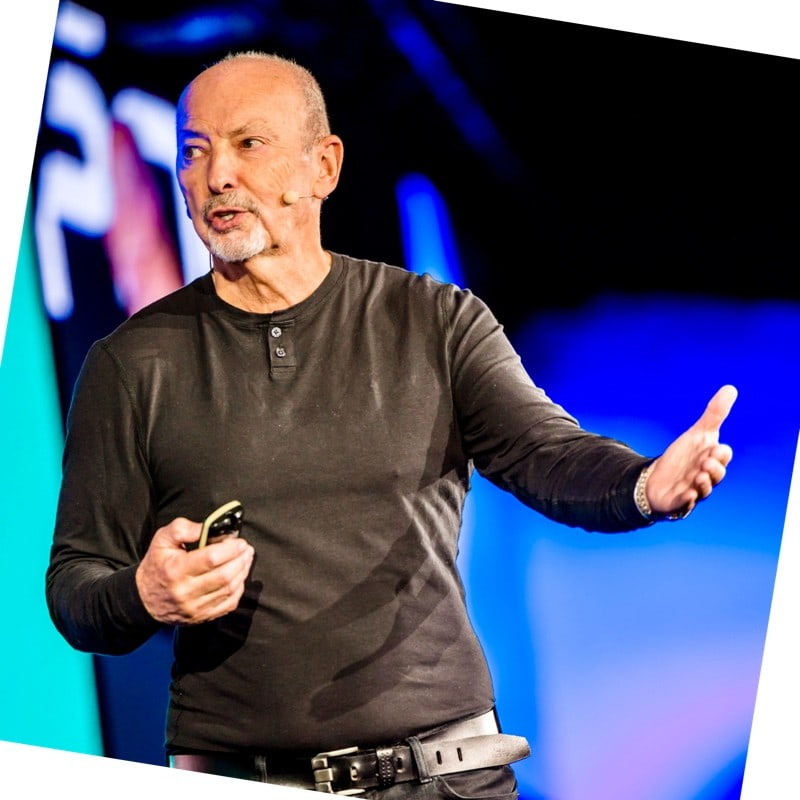
Moore noted he has attended five World Cups, describing them as “life chapters” about culture, connection and being united by football and added that the issue of pricing carries particular weight given his experience across the sports and entertainment industries.
Pulling on influence
During his career, Moore has held senior roles at Reebok, Sega, Microsoft and Electronic Arts. Reflecting on the latter, he said “During my time at EA SPORTS, we stood shoulder to shoulder with FIFA when they needed it most.”
Moore is likely referencing a controversy from 2015, when US and Swiss authorities charged senior FIFA officials with bribery, racketeering and money laundering. Multiple executives were arrested and the scandal forced former FIFA President Sepp Blatter to resign.
A plethora of sponsors distanced themselves from the organisation at the time, though EA continued to work with them.
“Our game kept millions of fans connected to football and to the World Cup when trust in the organisation was at its lowest. We helped carry the flame. Which is why this moment feels even more disappointing.”
Controversial dynamic pricing
Ticket prices for the upcoming World Cup have already proven highly controversial, with the Football Supporters’ Association (FSA) stating last month that FIFA’s ticket pricing policy is excessively expensive and unfair on fans.
In a blog, the organisation noted an England supporter allocated Category 3 tickets would have to pay $7,020 if the national team reaches the final.
An Insider Sport investigation concluded that a Scotland fan attending two group stage matches in Boston, and a potential Round of 32 fixture in Monterrey, would face around $1,400 in flights (not including a return journey), $635 in tickets and between $4,600 and $6,000 in accommodation before food, transport or additional nights are considered.
One of the main reasons behind the increase is the introduction of dynamic pricing, a model the FSA has urged FIFA to abandon. Moore has now followed suit, stating the current approach “feels completely detached from the very soul of football.”
He acknowledged the tournament is being played largely in the US and described it as a premium market, but added that football was never meant to be a luxury product reserved for the highest bidder and that it belongs to the people.
Moore went on to say the current system risks pushing out traditional supporters and replacing them with a model that “prioritises revenue over reality.”
Will FIFA change its plans?
It may not be public criticism that forces FIFA to reconsider its pricing model, but the results it produces.
In January, FIFA claimed it received half a billion ticket requests for the World Cup, a figure football finance expert Kieran Maguire said would imply that one in 12 people globally applied.
While this appears difficult to justify, he suggested it could be explained by multiple applications from “bots, touts, organised crime, chancers, flippers and the occasional genuine fan.”
Speaking to Insider Sport, Chris Newbold said there is no way these numbers are legitimate and pointed to a significant grey market around major tournaments as a likely factor.
If these theories prove to be the case and a large proportion of tickets are held outside genuine fan demand, there is a risk that stadiums may not be full for many matches.
This would be a significant issue for FIFA, even if revenues reach record levels, particularly given its ambition to deliver the biggest and best World Cup in history, which is difficult to support without an atmosphere.
“The World Cup should unite the world. Not divide it by price,” Moore concluded. “Football deserves better. And so do the fans. Come on FIFA, sort this out… It’s not too late.”
Want to hear more stories like this? Check out the new SBC Media YouTube Channel, the new home of all things multimedia at SBC, where our team deep-dives into the biggest stories from across the sports betting, iGaming, affiliate and payments industries.