


John Gillespie, CEO and Freya Tringham, Head of Padel at Powerleague, share their views on why Padel has proved such a hit, how its momentum is set to continue and what it can teach us across other sports.
Padel’s rise in the UK has been extraordinary. In just a few years, it has gone from a little-known import to one of the fastest-growing participation sports. Latest figures from the LTA suggest the UK has over 860,000 players, where this figure was just 15,000 in 2019. Infrastructure has grown to over 1,500 courts this year across 300+ venues.
For us, this growth has felt both rapid and entirely predictable.
The UK has a strong heritage in racquet sports, so padel felt like a natural next step. Look at markets like Spain, Italy, and France – the success story was already there, and it was only a matter of time before the UK followed.
Reasons for the success of the sport
Timing has been key. Emerging from the pandemic, people were seeking fresh ways to stay active, socialise, and try new experiences. Younger generations were moving away from traditional leisure habits, creating the perfect environment for padel to thrive.
Padel is intuitive and inclusive. The underarm serve, smaller courts, and simple rules mean anyone can pick it up – from five to 95. But beyond accessibility, the social element is what keeps players coming back.
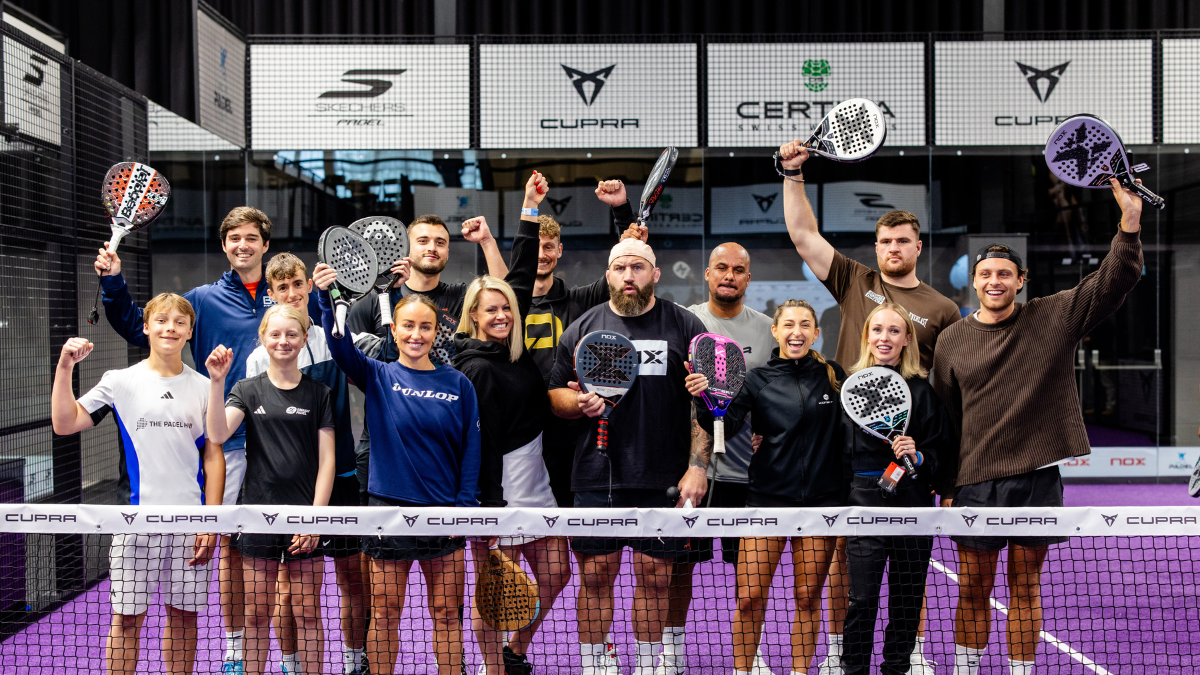
“Within minutes of my first social tournament, I was rallying and meeting new people. That’s rare in sport. Yet in padel, you often play with people you’ve never met before, and it’s just fun from the start,” says Freya Tringham, Head of Padel at Powerleague.
Tringham notes technology and social media have amplified that appeal. Celebrity participation has raised awareness, and booking apps make it easy to set up and find games.
“Most importantly though, padel removes traditional barriers: skill levels aren’t a hurdle, and players can go into a game knowing the playing level of their partner or opponents – it removes that nervousness of less experienced players as they grow in confidence,” she says.
“And with this it creates a genuinely social-first environment – a guiding principle at the heart of Powerleague, which has always offered a place for communities to come together, socialise, and stay active.”

Why it proved an attractive business proposition
There are so many synergies between padel and small-sided football, which was a key driver for Powerleague moving into the space.
“We’ve built a community-focused model around football, and padel fits perfectly. It’s social, inclusive, and brings people together – exactly what Powerleague is about. Data confirms that overlap. Around 75% of our padel players currently play or have previously played football with us,” says John Gillespie, CEO at Powerleague.
Across 2026, padel presents a major focus for the business. We currently operate 31 padel courts across eight clubs, with a further 10 under construction. This year alone, Gillespie says they’re expecting to launch 34 additional courts, more than doubling what we currently offer our members, and the 4,200 players that use our courts each week.
“Padel also allows us to reach new communities, expanding beyond London and the South East and making the sport more accessible nationwide. As court availability grows, participation will increase further, and costs will naturally become more affordable,” he says.
Ensuring the sport continues its momentum
A lot of people expected padel to be an initial phenomenon that eventually lost its shine, but quite the opposite, the continuation and growth of padel shows no sign of slowing down.
Instead, it’s about how we as a provider can keep up with that, and it’s certainly not without its struggles. In the last 12 months alone, we have invested £5.8 million in new or expanded sites, and there’s so much more potential here in the coming years.
The biggest barrier, however, that we have experienced, is the timeframes for doing that, with planning processes taking much longer than other European markets due to pressures and resources in other areas. In France, a planning application takes around 12 weeks; in the UK, it can take 18 months.
Despite the hurdles, the long-term outlook is extremely positive. Growth will continue as infrastructure, investment, and policy align to support demand.
What other sports can learn from the adoption of padel in the UK
Padel offers insights for the wider sports sector, particularly in digital engagement.
“Padel players are incredibly tech-savvy. They’ll download apps, track performance, book games, and share results. We’re looking at how we can use these principles and behaviours to enhance football too,” says Tringham.
“Levelling systems in padel create more balanced games – an approach with potential crossover into other sports. It also better supports individuals entering a community, and that’s certainly something that the wider sports industry could look at. Our league offering on small-sided football for example is made up of about 50% of individual sign-ups, showcasing just how much sport is relied upon as a social lever.”
On the flipside, Tringham notes football benefits from a mature infrastructure. With over 5,000 artificial pitches nationwide, there’s an expectation that playing football should be seamless. “The lesson for padel is clear: as the sport scales, the booking experience must match the simplicity and smoothness of football,” she says.
“Ultimately, padel’s success comes down to making sport easy, social, and accessible. If other sports can replicate that – while embracing digital tools and reducing barriers – participation will grow significantly.
And for us at Powerleague, it’s a reminder that community, accessibility, and enjoyment are always at the heart of what makes sport thrive.”