


The IOC has withdrawn its recommendation against Belarusian athletes’ participation, marking a shift in its post-Ukraine-invasion sporting policy as qualification for Los Angeles 2028 begins.
The International Olympic Committee (IOC) has lifted its recommendation that international federations restrict the participation of Belarusian athletes and teams, signalling a change in the Olympic movement’s approach to the fallout from Russia’s invasion of Ukraine.
In a statement published on 7 May, the IOC Executive Board confirmed it no longer recommends the restrictions introduced in February 2022 and expanded in March 2023 against Belarusian athletes and officials. The governing body stated that Belarusian athletes, including teams, should no longer face participation limits in competitions overseen by international federations (IFs) and international sports event organisers.
The IOC said the decision was shaped by “the ever-increasing complex realities and consequences of the current geopolitical context”, alongside discussions held through its “Fit for the Future” process during 2025.
“The IOC reaffirms that athletes’ participation in international competition should not be limited by the actions of their governments, including involvement in a war or conflict.”
From blanket sanctions to neutral participation
The IOC’s original recommendations were introduced days after Russia launched its full-scale invasion of Ukraine in February 2022, an invasion which Belarus politically supported and from whose territory Russian forces also advanced.
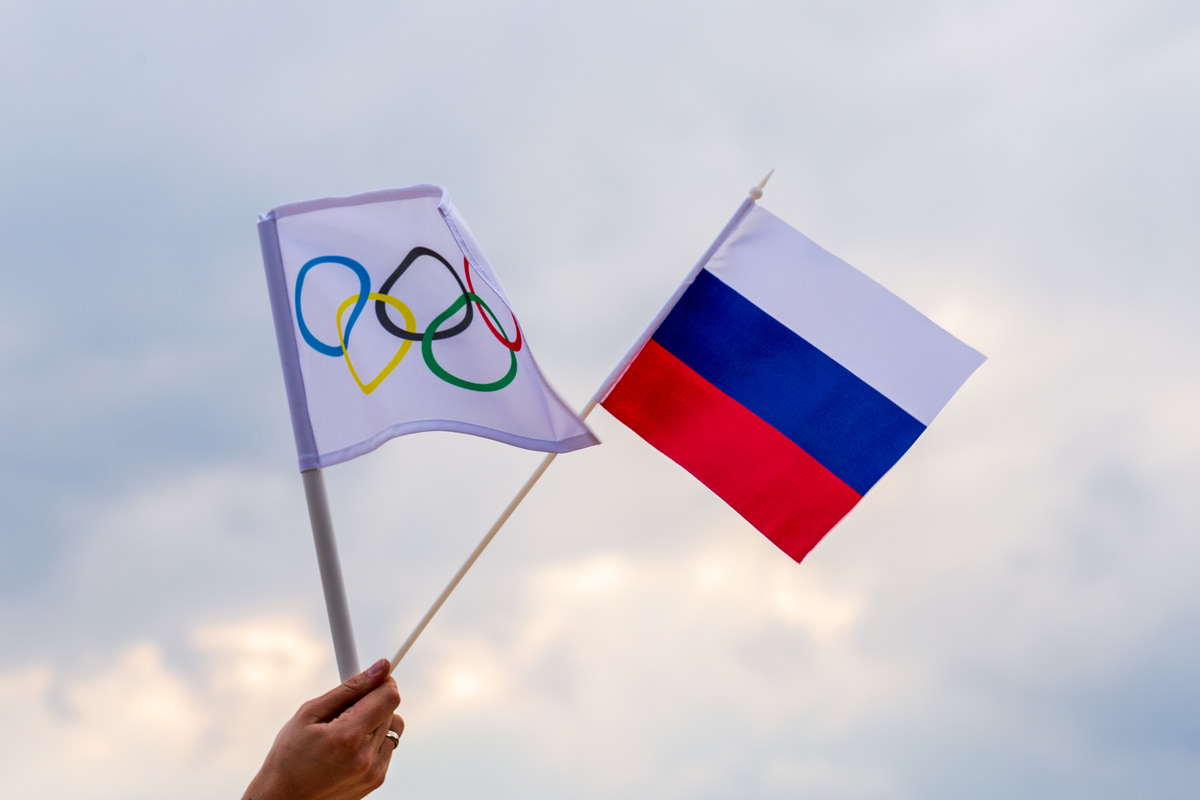
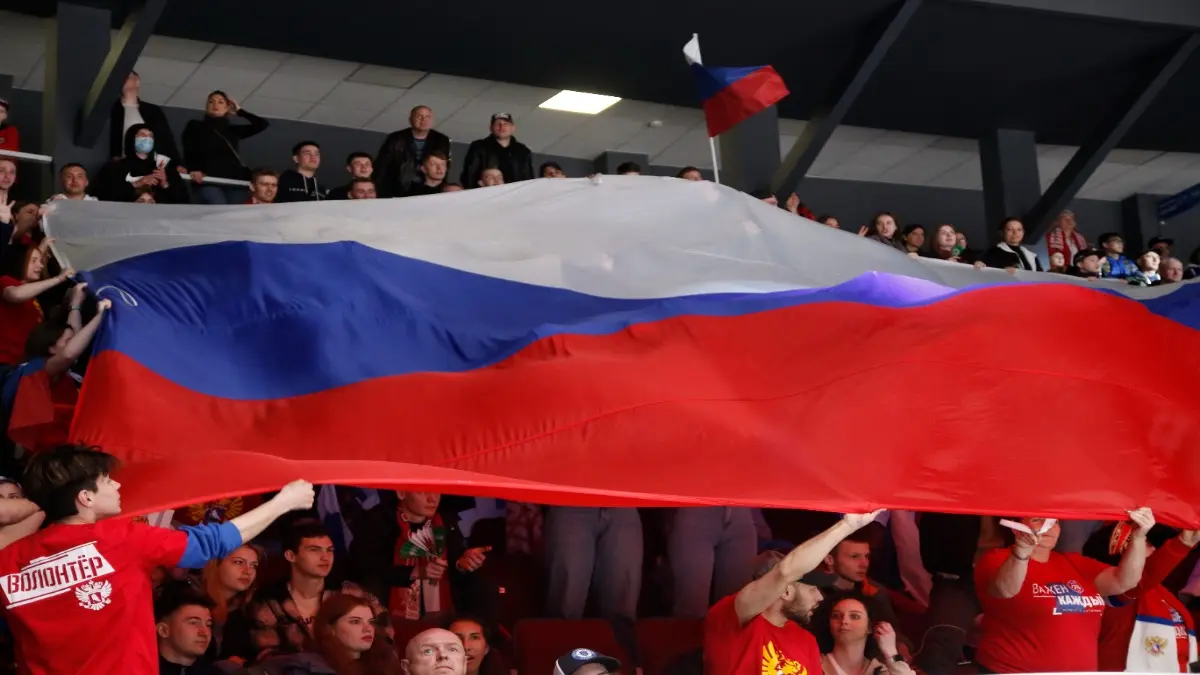
At the time, the IOC urged federations to ban Russian and Belarusian athletes and officials from international sport. Where exclusion was not possible for organisational or legal reasons, athletes were instructed to compete without national symbols, flags or anthems.
The measures triggered widespread disruption across international sport.
Russian and Belarusian teams were removed from football competitions by FIFA and UEFA in 2022, leading to Russia’s exclusion from qualification for the 2022 FIFA World Cup in Qatar and UEFA Women’s EURO 2022. Belarusian clubs and national teams were also forced to play home fixtures at neutral venues.
Across Olympic sport, federations adopted differing approaches. Some imposed outright bans, while others gradually allowed athletes to return under neutral status conditions.
In March 2023, the IOC formally recommended that Russian and Belarusian athletes could return as Individual Neutral Athletes (AINs), provided they had not actively supported the war and were not under contract with military or security agencies. This recommendation proved divisive.
Ukraine repeatedly opposed the reintegration of Russian and Belarusian athletes, while several European governments criticised the IOC’s stance ahead of the Paris 2024 Olympics. At various points during 2023, the possibility of athlete boycotts was openly discussed by some national sporting bodies and political figures.
Despite those tensions, neutral athletes from both countries ultimately competed at Paris 2024 under strict eligibility conditions.
IOC points to Olympic events without “incident”
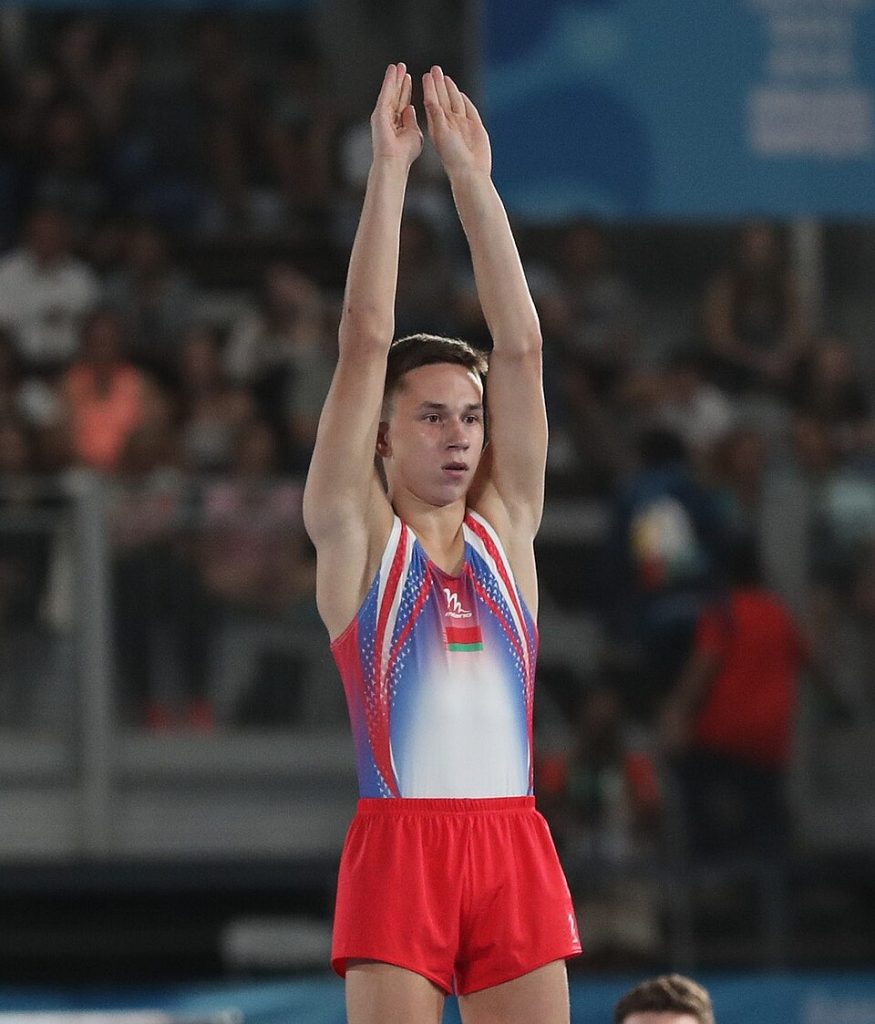
Image credit: Martin Rulsch | Wikimedia Commons.
The IOC’s latest statement repeatedly references the practical experience of the past two years as justification for its latest position.
It noted that Belarusian athletes had competed at “numerous international sporting events”, including the Paris 2024 Olympic Games and the Milano Cortina 2026 Winter Olympics qualification pathway, “without any incident on or off the field of play”.
The committee also highlighted the approaching qualification window for both the Los Angeles 2028 Olympic Games and the 2028 Winter Youth Olympic Games, which begins this summer.
The timing of the decision matters because international federations now need certainty around:
- qualification systems;
- rankings points;
- team eligibility;
- continental competition structures.
Without a clear IOC position, federations risked adopting inconsistent approaches entering a new Olympic cycle.
Why Belarus has been separated from Russia
The IOC stressed that Belarus and Russia are now being treated differently due to the status of their respective Olympic committees. According to the IOC, the National Olympic Committee of Belarus remains “in good standing” and compliant with the Olympic Charter.
The Russian Olympic Committee (ROC), however, remains suspended.
The IOC suspended the ROC in October 2023 after it recognised regional sports organisations from occupied Ukrainian territories, which the IOC argued breached the Olympic Charter and violated Ukraine’s territorial integrity within the Olympic movement.
In its latest statement, the IOC confirmed discussions with the ROC are ongoing, but the suspension remains in place while its Legal Affairs Commission continues its review.
The committee also pointed to fresh concerns surrounding the Russian anti-doping system, referencing recent information which has prompted the World Anti-Doping Agency (WADA) to examine the matter further. This distinction means the IOC’s latest decision only applies to Belarusian athletes and teams, not Russian competitors.
Federations still retain control
While the IOC has withdrawn its recommendation, international federations are not automatically required to reinstate Belarusian teams or athletes.
Eligibility rules remain under the control of individual governing bodies, meaning approaches may still vary between sports. However, the IOC’s decision removes the political guidance which had underpinned many of the restrictions introduced since 2022.
The move is likely to reopen debate across international sport regarding neutrality rules, athlete eligibility and whether governing bodies can continue separating geopolitical conflicts from sporting participation.