


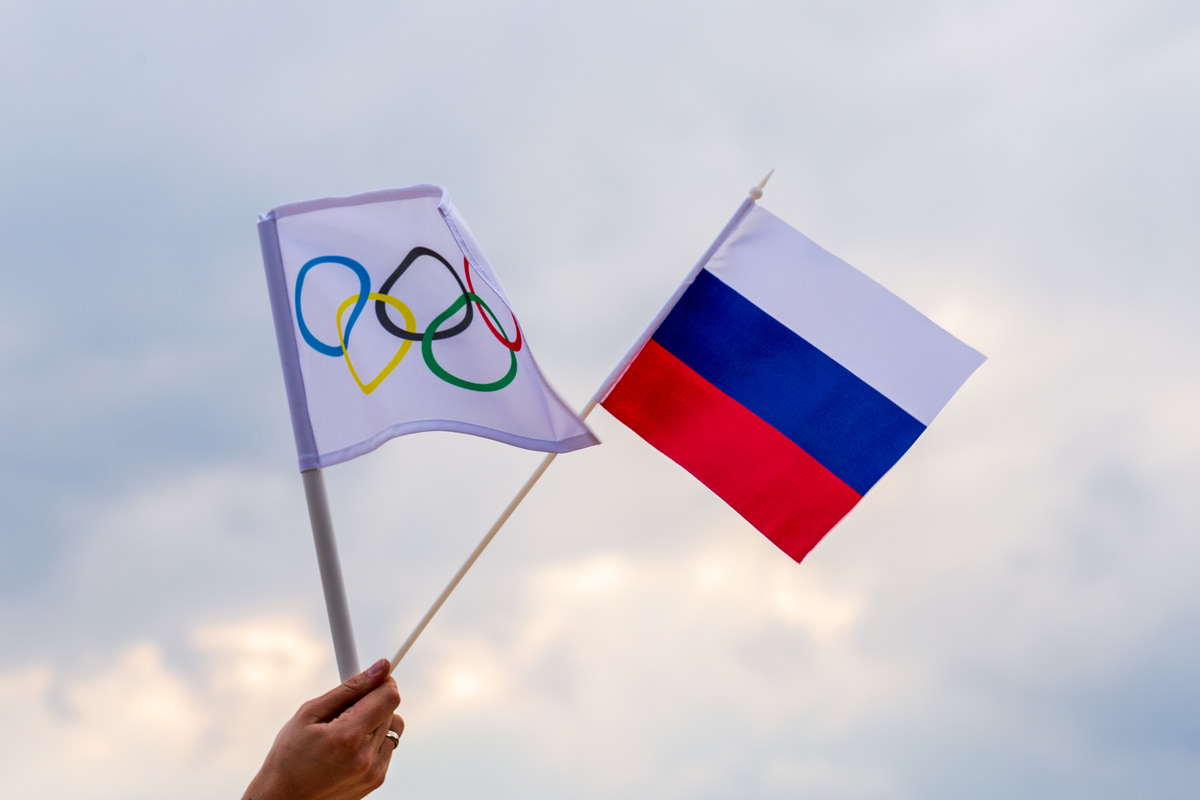
Russian athletes may be able to compete at their first Olympic Games as official athletes of the country after the International Olympic Committee dropped its three-year ban.
The International Olympic Committee (IOC) has ended its three-year suspension of Russia, meaning that Russian athletes will be able to compete at the 2028 Los Angeles Olympic Games.
The IOC Executive Board lifted the suspension against the Russian Olympic Committee (ROC), which has been in effect since October 2023, meaning Russian athletes were banned from Olympic events as competing in parts of occupied Ukraine violated the Olympic Charter.
The organisation stated that following analysis from its Legal Affairs Commission, the ROC will be eligible to send participating athletes after admitting it no longer includes its members in any regional sports organisations that fall under the jurisdiction of the National Olympic Committee (NOC) of Ukraine.
The ROC must also ensure that Russian athletes’ selection for future Olympic events should be based not only on their sports performance, but also on their ability to serve as “role models who respect, uphold and promote a peaceful society through sport as set forth in the Olympic Charter,” according to IOC bye-law 2.1 to Rules 27 and 28.
During the 2024 Paris Olympics, just 27 Russian athletes competed as they agreed not to show public support for the war in Ukraine. This vetting process has since been scrapped, with Russian athletes adhering to the Olympic Charter.
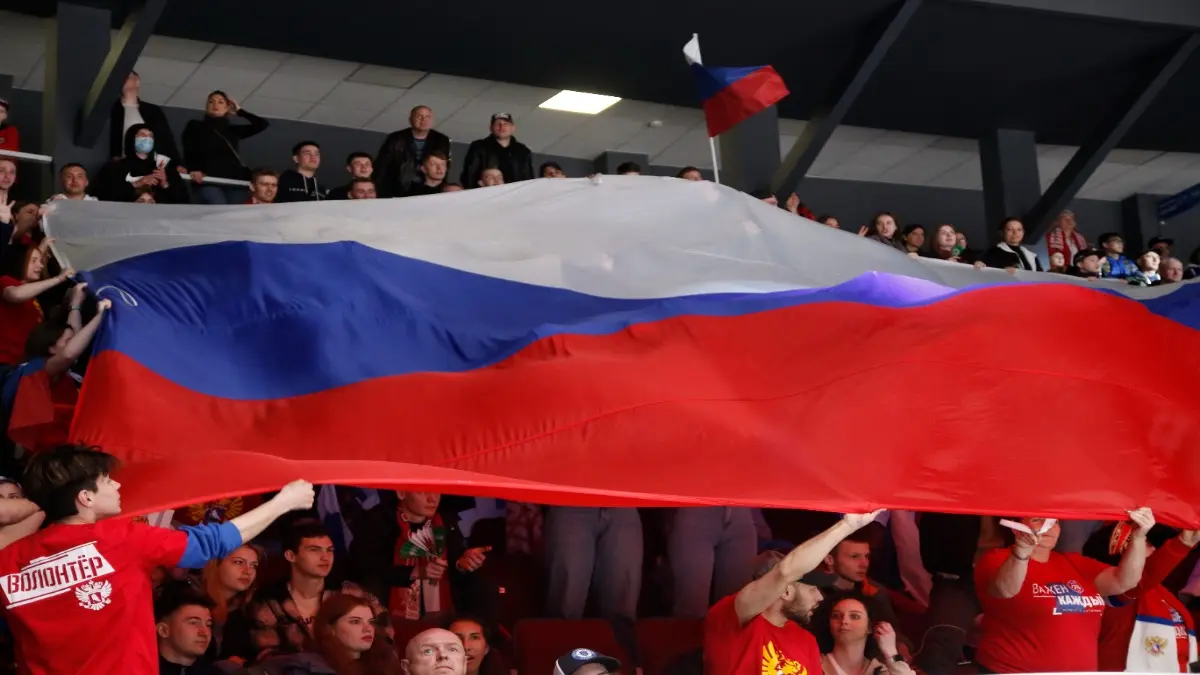
The IOC has stated that the decision to display the Russian flag, anthems and national colours at future Olympic events of each international federation “should reflect whether their national federations are in good standing”.
“The IOC recognises that an athlete’s participation in international competition should not be limited by the involvement of their government in a war or conflict,” the IOC said in a statement.
“In this regard, in December 2025, in view of the upcoming Dakar 2026 Youth Olympic Games, the Olympic Summit endorsed the IOC EB’s decision that youth athletes with a Russian or Belarusian passport should no longer be restricted in their access to international youth competitions, in both individual and team sports.”
Reaction to the decision
The decision to lift the ban on Russian athletes, under certain conditions, has been hit with backlash from global sporting organisations and political figures.
The Ukraine Ministry of Foreign Affairs posted on its X account that it believes the decision is a “deeply concerning signal” to the rest of the world and is calling on other foreign ministers not to permit the display of Russian state symbols on their territory.
“The Olympic Movement is founded on the principles of peace, respect for human dignity, and solidarity,” said the Ukraine Ministry of Foreign Affairs. “We therefore hope that the issue of the use of Russian state symbols at the Olympic Games will be addressed separately and with the utmost responsibility.
“We also call on international sports federations to maintain the existing restrictions on representatives of the aggressor state, in line with their commitment to protecting the integrity and values of international sport.”
Conversely, the Russian Sports Minister, Mikhail Degtyarev, has welcomed the IOC’s decision and believes this is a path to reinstate all Russian national teams to sporting competition.
“This is a clear path to ensuring that all federations of all sports reinstate Russian national teams and return them to international competitions,” said Degtyarev. “We’ve done extensive diplomatic work to reinstate our athletes.
“It’s also very important that the IOC has allowed international federations to hold world championships and international tournaments at their discretion. We will definitely take advantage of this.”
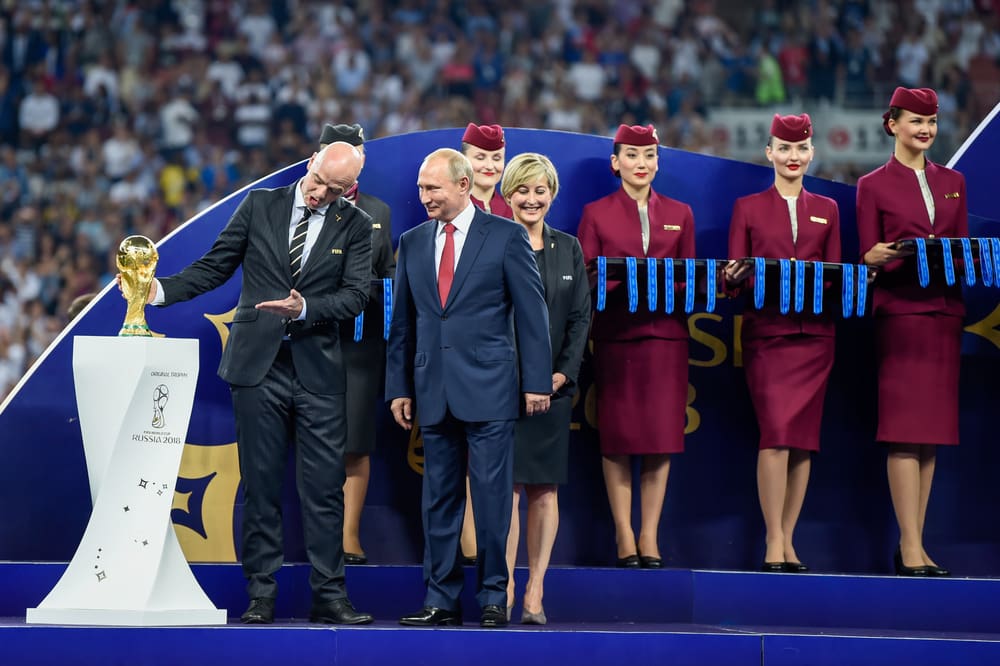
Will FIFA follow suit?
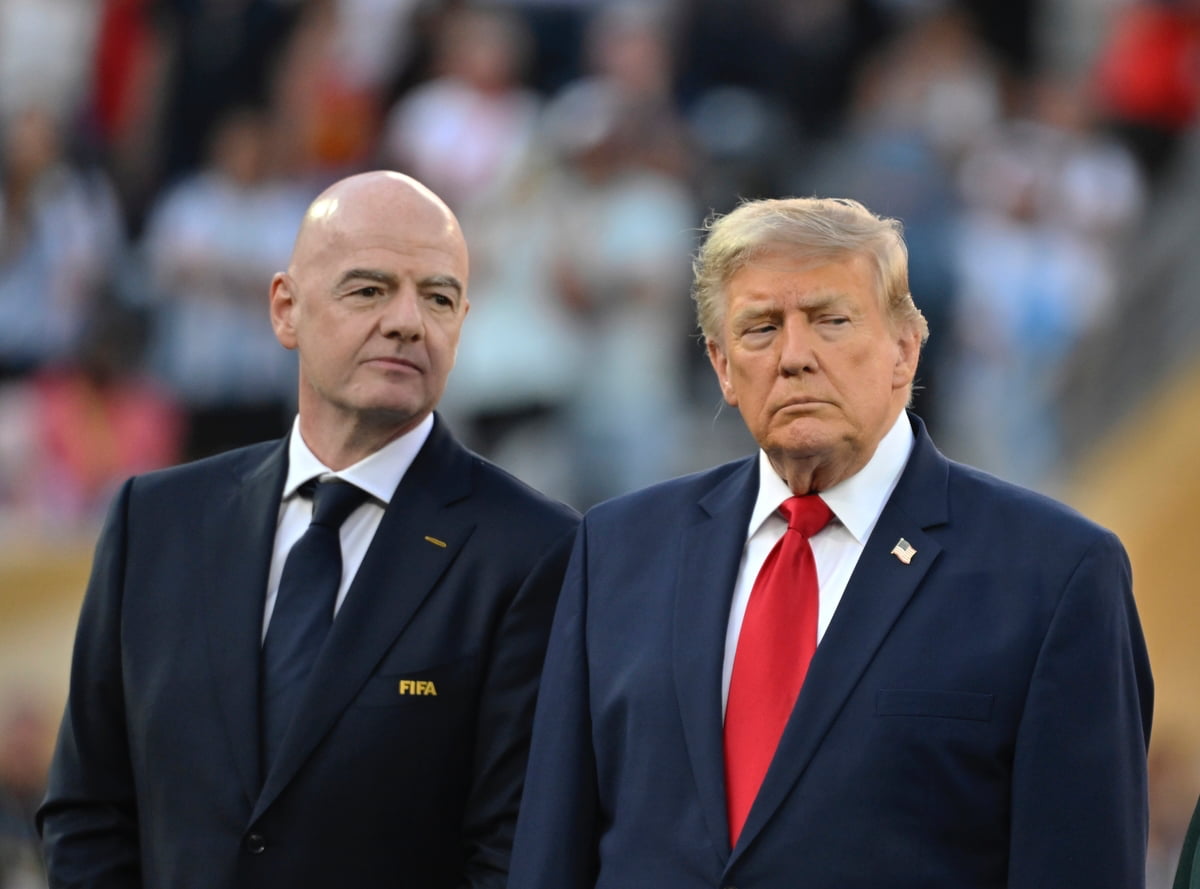
FIFA will reportedly hold formal talks around lifting its ban on Russian football teams from its competitions following the IOC’s decision.
The Russian national football team has been banned from the last two men’s FIFA World Cups (2022 and 2026) and the last women’s FIFA World Cup (2023). They were also banned from the UEFA European Championships in 2024.
European teams refused to compete against Russian football teams after the invasion of Ukraine in February 2022, ultimately forcing FIFA and UEFA to ban them from their competitions.
However, this ban has begun to wind down recently after FIFA greenlighted the Russian under-15 national teams to compete at the 2026 Youth World Cup in Azerbaijan in October.
FIFA told Sky News in a statement: “FIFA has been made aware of the decision taken by the IOC to provisionally lift the suspension of the Russian Olympic Committee.
“FIFA will analyse the decision before deciding on next steps in coordination with the relevant stakeholders.”