


From Warner Bros Discovery’s global media push to Amazon’s growing role in premium tennis coverage, Roland-Garros continues to evolve into one of sport’s most valuable luxury entertainment properties.
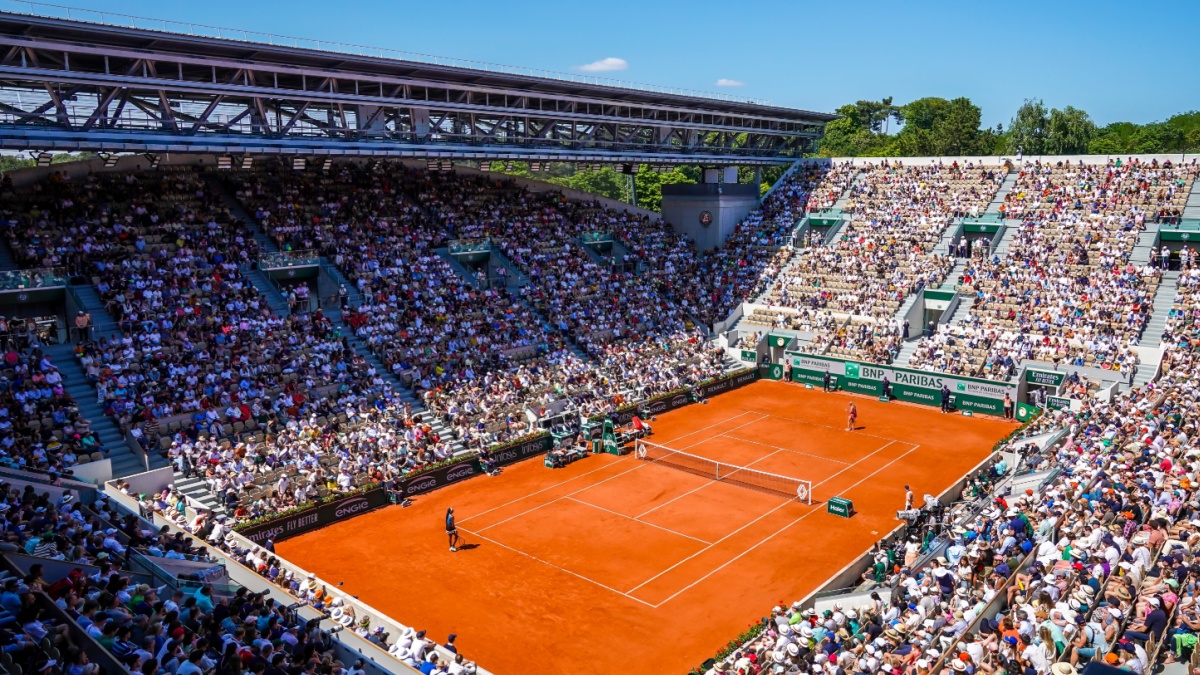
As the 2026 French Open gets underway in Paris, Roland-Garros remains one of the most commercially distinctive properties in global sport.
The clay-court Grand Slam sits at the centre of a growing premium sports economy built around international media rights, luxury sponsorships, hospitality revenue and global streaming distribution. This year’s tournament is being broadcast across 220 countries, carries a total prize pool of $71.77m (€61.7m) and continues to attract blue-chip commercial partners ranging from Renault and Emirates, to Rolex and BNP Paribas.
A record 138,000 people have reportedly passed through the gates during Opening Week of the 2026 edition; up from 80,000 in 2025 and 75,000 the year before. Daily capacity has also increased to 20,000 spectators for this year’s tournament, and all 80,000 tickets for the first five days sold out before a single qualifying match had even been played.
While Wimbledon retains much of tennis’ traditional prestige, Roland-Garros has increasingly positioned itself as a modern premium entertainment property, balancing free-to-air visibility in France with subscription-led international distribution.
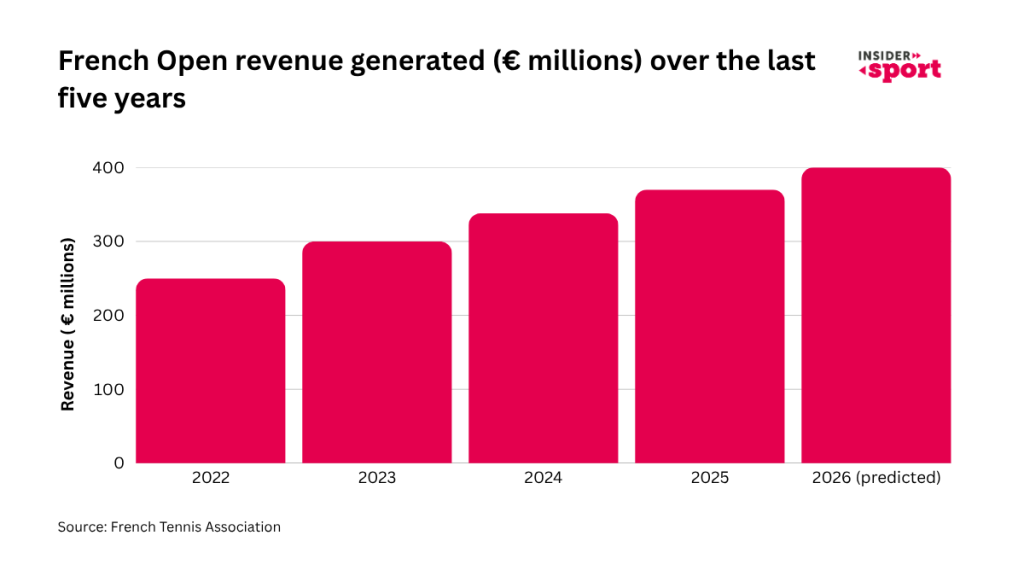
The tournament generated around €250 million in revenue in 2022, rising to somewhere between €370 million and €395 million in 2025; the tournament is estimated to surpass €400 million for the 2026 edition.
Broadcast reach stretches across 220 countries
Broadcast rights make up around 40% of total revenye, which would mean close to €160 million annually if the tournament crosses the €400 million mark. Ticketing and hospitality together account for another 33%, or around €130 million. Merchandise contributes just under 10% and the remaining 20% comes from the tournament’s 22 commercial partners, generating around €80 million.
The French Tennis Federation (FFT) confirmed Roland-Garros 2026 will be broadcast on more than 170 television channels and digital platforms across 220 countries. According to the tournament organisers, last year’s edition attracted more than 324 million viewers globally.
In France, domestic rights remain split between France Télévisions and Prime Video under an agreement running until 2027. France Télévisions broadcasts opening week and daytime matches through to the quarter-finals, while Prime Video retains exclusive rights to the tournament’s 11 night sessions, including two quarter-finals. Semi-finals and finals are co-broadcast by both partners.
In the UK and Ireland, TNT Sports holds the rights to Roland-Garros through a long-term Warner Bros Discovery agreement, with matches also streamed via HBO Max.
The US market has also undergone a major shift in recent years. Warner Bros Discovery secured a 10-year US rights agreement worth roughly $65 million annually for the French Open beginning in 2025, ending NBC’s decades-long association with the tournament. Coverage now airs across TNT Sports networks and HBO Max in the US.
Prize money debate overshadows commercial growth
Roland-Garros organisers announced a total prize pool of €61.723m for the 2026 tournament, representing an increase of more than 9% year-on-year. Qualifying prize money rose by 12.9%, while the main draw pool increased by 10.1%. But while Roland Garros’s income increased by 14% to €395m last year, prize money rose by 5.4%, reducing players’ share of revenue to 14.3%.
As a result, the tournament’s growing revenues have again been accompanied by criticism from players over revenue distribution, who have been calling on the slams to match the 22% share of revenue paid by the ATP and WTA tours.
According to reporting from The Guardian, leading players have discussed reducing media commitments during the tournament as part of ongoing frustration around Grand Slam prize money structures. The report stated that players believe Grand Slams distribute approximately 15% of revenues back to competitors through prize money.
Luxury and blue-chip sponsors dominate commercial portfolio
Roland-Garros continues to maintain one of the most premium sponsorship portfolios in international sport.
Official tournament partners for 2026 include BNP Paribas, Emirates, Renault, Rolex, Lacoste, Perrier, Wilson, Infosys and Haier, among others, according to official tournament materials and partner announcements. These partnerships span banking, automotive, aviation, luxury goods, technology and consumer electronics.
The tournament’s sponsor mix reflects Roland-Garros’ positioning within the luxury and lifestyle segment of the sports market. Unlike some sports properties that have leaned heavily into betting, crypto or fintech partnerships in recent years, the French Open has largely retained a traditional premium-brand ecosystem.
Several partnerships also extend beyond traditional logo visibility. Renault has previously used the tournament to showcase electric vehicle initiatives, while Infosys continues to provide digital analytics and fan engagement tools across tournament platforms.
Hospitality and premium experiences remain central
Alongside broadcast revenues, hospitality remains a significant commercial pillar for the tournament.
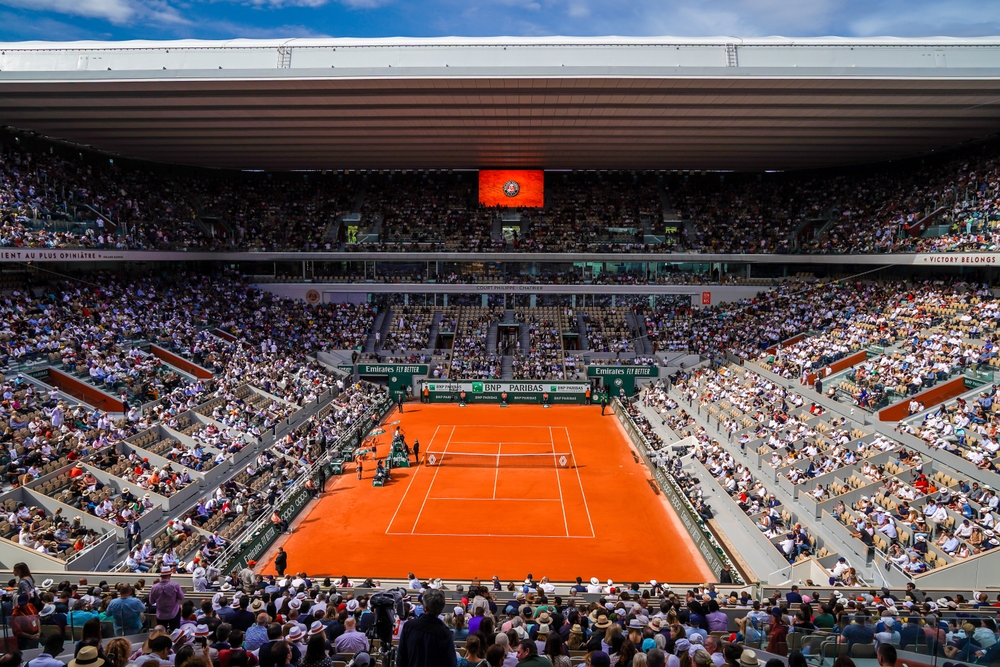
Roland-Garros has continued to expand premium fan experiences following the redevelopment of Court Philippe-Chatrier and wider investment into the Roland-Garros complex over recent years. Premium ticketing packages, corporate hospitality offerings and VIP experiences have become increasingly important revenue drivers across Grand Slam tennis.
The tournament’s evening session strategy has also strengthened premium inventory opportunities for broadcasters, sponsors and hospitality operators since the introduction of night matches in 2021.
Roland-Garros has also continued investing in wider venue expansion. According to reporting around the tournament’s long-term infrastructure plans, work is expected to begin this summer to expand Court 14, currently the fourth-largest court at Roland-Garros with a capacity of 2,500 spectators. The court has become known for regularly attracting large queues and high-demand matches during the tournament fortnight.
The move reflects a broader trend across Grand Slam tennis, where organisers are increasingly investing in venue capacity, premium seating and fan experience upgrades to maximise event-day revenues. Wimbledon is currently pursuing its own large-scale expansion project in London, while the US Open and Australian Open have both invested heavily in hospitality-led redevelopment over the past decade.