


The MLB has tabled proposals to introduce a salary floor and cap as part of a new collective bargaining agreement for next season, but it would need historic approval from the player’s union.
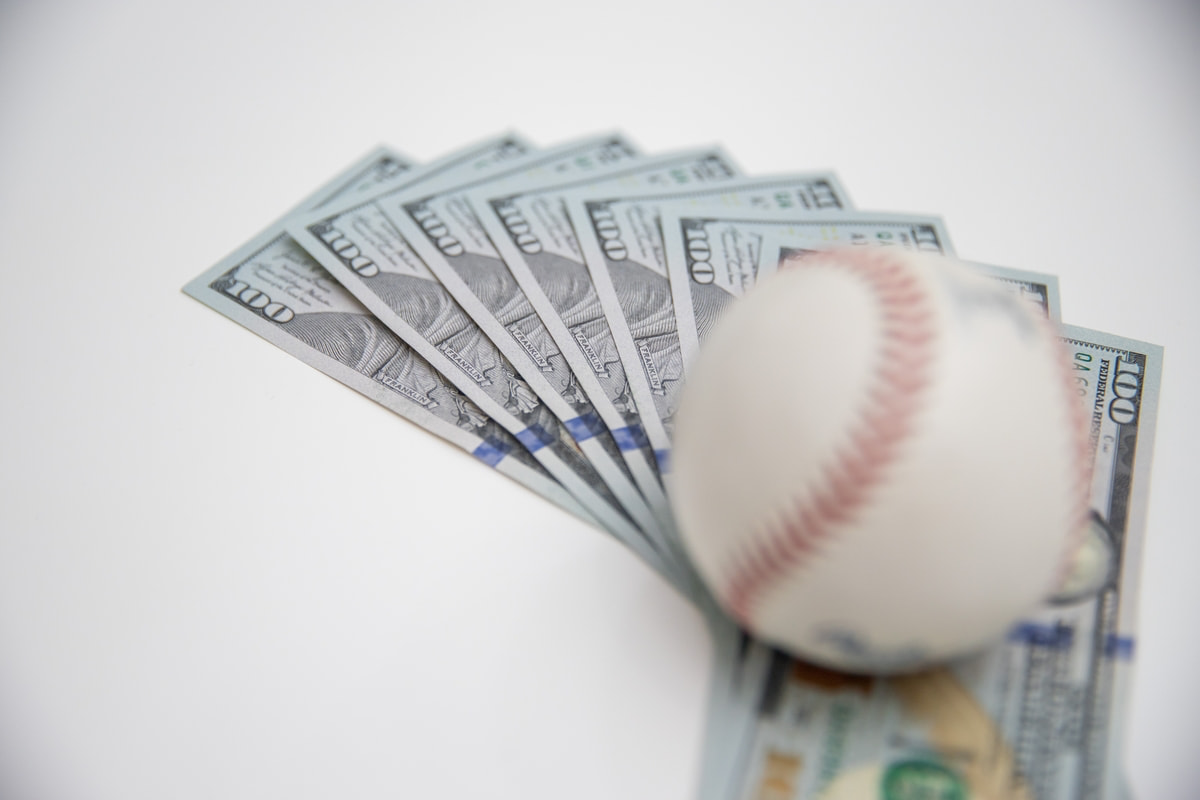
Major League Baseball (MLB) owners have proposed a hard salary cap which would become the first of its kind introduced in the league’s history.
During a meeting with the MLB Player’s Association (MLBPA) representatives on 28 May, owners proposed a hard cap of $245.3m, with each team maintaining a payroll of $171.2m minimum.
The proposals will fall under the MLB’s next collective bargaining agreement (CBA), which has a deadline of 1 December 2026 to be finalised.
MLB owners are proposing that the salary cap rules are introduced at the start of the 2027 season, which includes a 50/50 split of league revenue to player salaries. This, in turn, would see the salary floor and cap increase if revenues from different areas increase, such as broadcasting rights, commercial revenues, etc.
The league is proposing that all local media revenues are evenly distributed across the 30 MLB teams. Currently, teams earn 52% of local media revenue, while sharing the remaining 48% via a central revenue pool. A 50/50 model could see large teams, such as the Los Angeles Dodgers and New York Yankees, lose revenue.
The MLB is aiming for the next CBA to be a seven-year deal, which would expire before the 2034 season.
Under the proposals, eight MLB teams – Blue Jays, Braves, Dodgers, Mets, Padres, Phillies, Red Sox, and Yankees – would need to decrease their payroll to meet the $245.3m cap.
For MLB teams to increase their payroll in order to meet the $171.2m floor, there are 12 teams – The A’s, Brewers, Cardinals, Guardians, Marlins, Nationals, Rockies, Pirates, Rays, Reds, Twins, and White Sox -that would need to add to their payrolls.
What is the MLBPA’s response?
The MLB is one of the only North American sports leagues that is yet to introduce a hard salary cap due to resistance from the MLBPA.
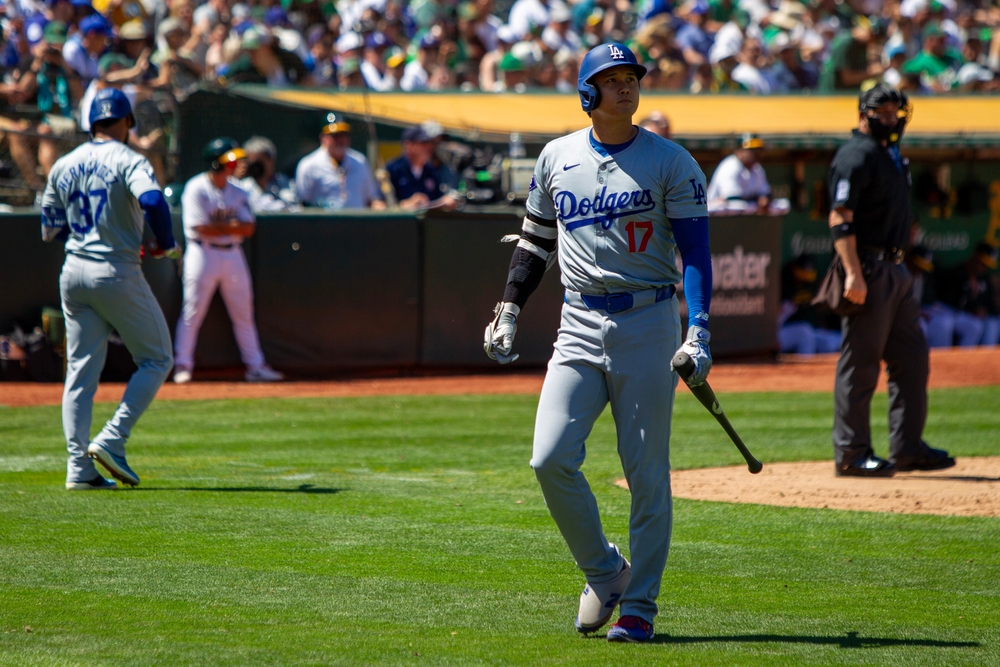
MLB players have consistently been some of the highest-paid athletes in the world due to the lack of salary cap, which has only increased in recent years. One such example is Shohei Ohtani, who recently signed a record $700m 10-year deal.
The league does operate a luxury tax, or competitive balance tax. The luxury tax base threshold for the 2026 season was $245m for a team’s total payroll. If a team was to exceed the first threshold of $260m, it would be penalised 12% of their payroll; this increases when a team exceeds each threshold.
On the current proposals being lobbied by MLB owners, the MLBPA and its representatives will have the next several weeks to review before responding with their own proposals.
The MLBPA has already proposed higher luxury tax thresholds as part of the new CBA, along with higher minimum salaries and taxes on teams that have a payroll that does not exceed $150m.
The proposal of a hard salary cap will undoubtedly be the main sticking points between the league and the player’s union, but MLB spokesperson Glen Caplin believes that it will be welcomed by fans in order to bring a competitive playing field.
“Fans overwhelmingly support a salary cap and floor like in the other leagues because they don’t believe a $446 million spending gap from top to bottom is a fair fight,” said Caplin.
“Our salary cap and floor proposal levels the playing field while sharing baseball revenue with the players 50/50 as we grow the game together.”
Since 2020, there have been four out of six different World Series champions – the Dodgers, Braves, Astros and Rangers.
In comparison to a league like the NBA which has a hard salary cap in place, there have been six out of six different NBA champions – the Lakers, Bucks, Warriors, Nuggets, Celtics and Thunder.
The 1994 strike
The latest salary cap proposal could be fiercely rejected by players, similar to a similar proposal that was tabled in 1994, which caused a lock-out for the 1994 season and ultimately ended in the cancellation of the 1994 World Series.
MLB owners proposed a salary cap in 1994 to increase the competitive playing field by introducing a 50/50 revenue split between players and owners, as well as a salary floor and cap.
The MLBPA, regarded as one of the strongest player’s unions in the US, vehemently rejected the proposals. Players believed this would see their salaries significantly decrease and in breach of their labour rights.
In August 1994, players went on strike during the season which caused the 1994 World Series to be cancelled for the first time in 90 years.
With the players not budging from their stance, the disagreement ended in US courts. A District Judge filed an injunction against MLB owners and ruled they had to bargain in good faith and the previous CBA was restored.
In response to the current proposals, MLBPA Executive Director, Bruce Meyer, said: “The owners responded (28 May) with a demand for a salary cap system, something generations of players have fought against.
“The last time the owners made such an explicit push for a cap—over 30 years ago—it led to the longest work stoppage in MLB history. For generations, our members have fought against cap systems because they harm players at all levels, erode or eliminate contractual guarantees, pit player against player, lead to more work stoppages, not less, and get worse for players over time.”