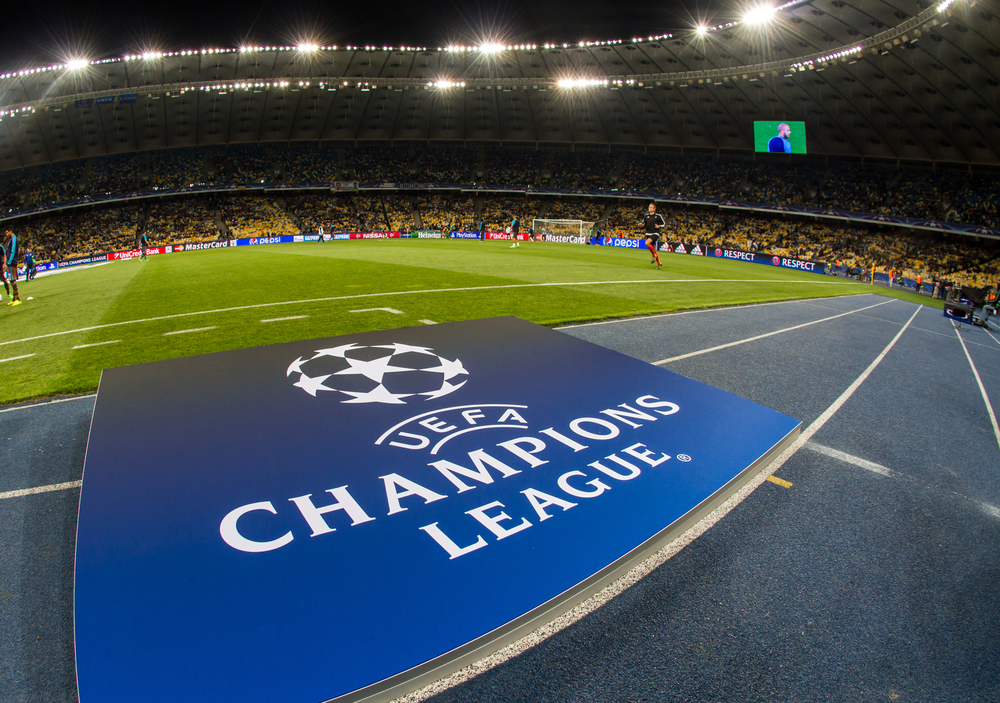



The UEFA Champions League Final is reported to have been watched by an illegal streaming audience of 3.7 million in the UK.
The figure has been disclosed to UK media by the integrity monitoring services of Gaming Compliance International (GCI), which traced 3.7 million unique IPs that have accessed illegal streams of last Saturday’s final between Paris Saint-Germain and Arsenal FC.
GCI warned that the 3.7 million traced IPs could reflect a total engagement of approximately 16.2 million illegal stream views of the showcase final of European football.
Saturday’s final was broadcast by the streaming platform HBO Max, which, in March, took ownership of TNT Sports for UK audiences. TNT and HBO disclosed that their services generated an audience of more than seven million viewers for the Champions League final.
The broadcast of the match attracted political scrutiny as both HBO and TNT opted to not make the final available as a free-to-air to the general public. The decision marked the first time since the Champions League was established in 1992 that the final was not made freely accessible to UK viewers.
Prime Minister Keir Starmer, an Arsenal supporter, wrote to TNT and HBO to reconsider its decision and provide free coverage of the fixture.
While TNT Sports stated that it was satisfied with the views of its broadcast, the scale of illegal viewing is likely to intensify concerns among broadcasters, rights holders and regulators over the growing challenge of digital piracy.
GCI’s analysis also highlighted a significant connection between illegal sports streaming and unlicensed gambling across the UK.
According to the monitoring group, 89% of advertisements appearing on illegal streams of the final promoted gambling operators that do not hold licences to operate in the UK market.
Ismail Vali, President of GCI, stated that illegal streaming has increasingly become a conduit acquisition channel for unregulated gambling businesses.
“A dark nexus has existed between illegal streaming and unregulated gambling since the pandemic,” Vali noted. “As sports rights become fragmented and consumer costs continue to rise, illegal streaming is being used as a unique selling point by unlicensed operators seeking to compete against regulated gambling companies.”
The findings are expected to reignite debate over the future distribution of premium sporting events and whether subscription-only models are inadvertently driving audiences towards piracy networks.
Adding fuel to the flames
Concerns have been previously raised by media analysts that consumers are paying more than ever to access live matches through a growing number of subscription and on-demand services.
Audience fragmentation has become a central concern for broadcasters and rights holders, as supporters are increasingly required to subscribe to multiple platforms to follow domestic leagues, European competitions and international football.
At the beginning of 2026, Warner Bros. Discovery integrated TNT Sports into its HBO Max platform in the UK, in a bid to consolidate sports and entertainment content within a single subscription ecosystem.
The move formed part of a broader strategy to improve customer retention and engagement as competition intensifies among streaming providers.
HBO Max inherited TNT Sports’ coverage of the Champions League, rights originally secured by BT Sport in a deal worth approximately £900m that wrestled coverage away from Sky Sports.
However, TNT’s position within the European football ecosystem has weakened in recent years. In 2024, Amazon Prime Video acquired first-pick Tuesday night Champions League fixtures, ending TNT’s complete exclusivity over the competition and adding another subscription service to the viewing landscape.
The broadcaster’s tenure is now approaching its conclusion. UEFA confirmed in late 2025 that Paramount+ had secured exclusive UK rights to the Champions League from the 2027/28 season onwards, bringing to an end more than a decade of BT Sport and TNT Sports coverage of Europe’s premier club competition.
Against this backdrop, analysts such as GCI have detailed that record levels of piracy may reflect broader shifts in consumer behaviour, as supporters seek alternatives to an increasingly fragmented and expensive sports broadcasting market.