


Fox escaped FIFA sanction for overrunning ads in the World Cup opener, but stands to make up to $330m from the tournament’s first in-game breaks
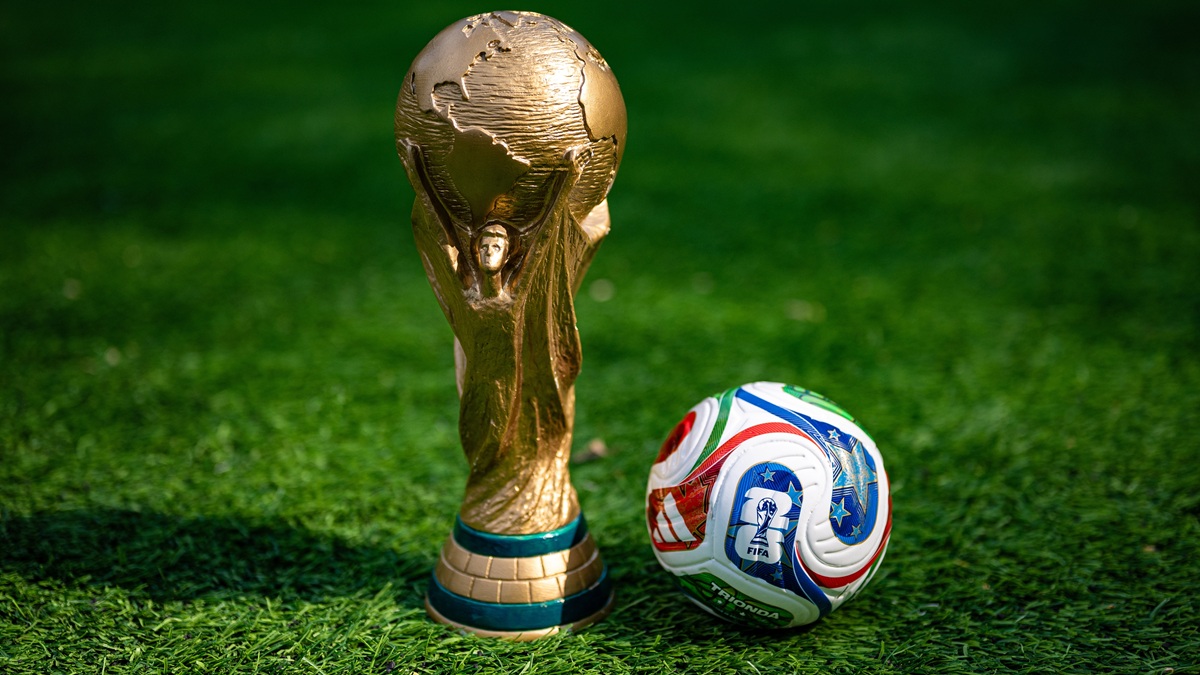
Fox has escaped sanction for breaking FIFA‘s advertising rules during the opening match of its joint-hosted World Cup, after the governing body accepted the broadcaster’s explanation it had been caught out by an early hydration-break signal.
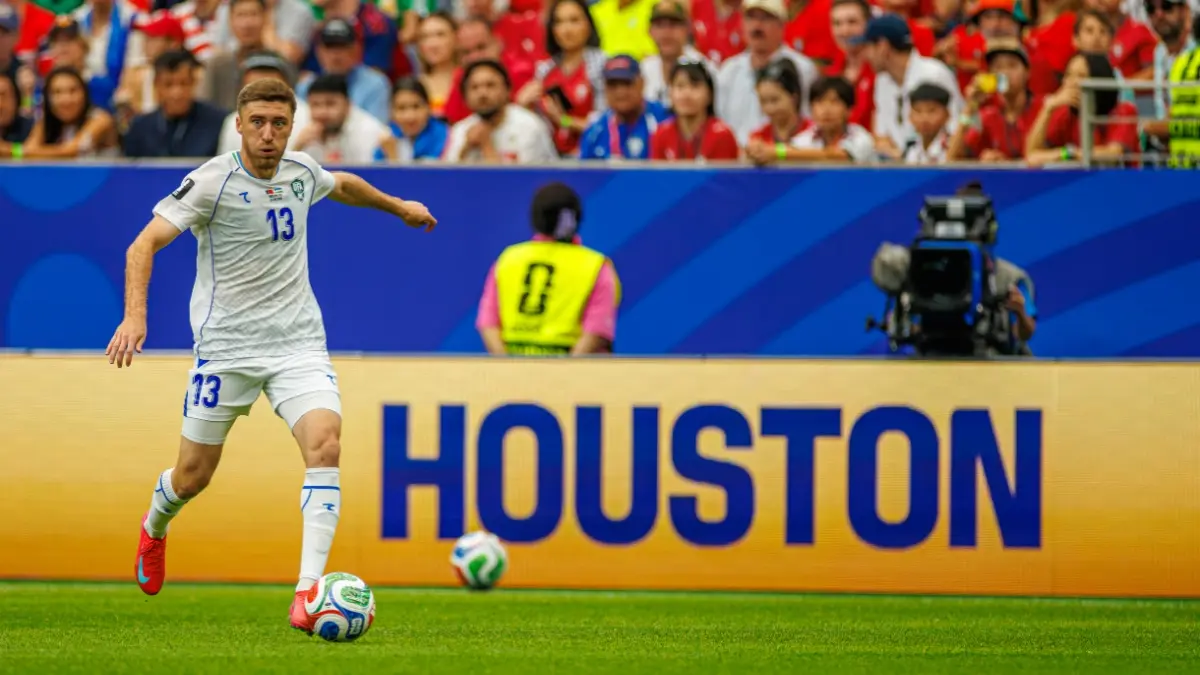
During Mexico‘s 2-0 win over South Africa in Mexico City, Fox cut to full-screen commercials when referee Wilton Sampaio paused play and returned to the action ten seconds after the restart, an overrun of around 40 seconds, breaching the 30-second buffer FIFA had circulated to rights holders two months earlier.
Fox told FIFA it had been slow to cut to the break because Sampaio signalled it early after Raúl Jiménez‘s second goal, and the governing body declined to act.
Telemundo, the tournament’s Spanish-language broadcaster in the US, avoided the row by keeping its cameras on the pitch and using the three-minute breaks for analysis, and Fox has not slipped up since.
These were the first commercials any World Cup has run during live play, and Fox stands to make healthy profits from them.
A windfall built on three-minute pauses
FIFA introduced two hydration breaks per match for this tournament, one in each half regardless of temperature, creating the first in-game advertising slots in World Cup history.
Across 104 matches, with room for four spots in each break, the total comes to 832 commercial slots. The Wall Street Journal reported Fox sold early-round spots at around $200,000, rising to about $750,000 for games involving the US men’s team. At a blended $300,000 a spot, selling the lot would bring Fox close to $250m, and beyond $330m if the average climbs to $400,000.
Fox negotiated its US rights deal in 2014 and paid around $485m for the tournament, roughly a third of what analysts estimate the rights would fetch today. Conservative estimates for hydration-break revenue alone covers more than half the fee. Fox and Telemundo are together expected to finish on $850m in combined ad sales, more than double the $384m the pair made at Russia 2018.
The American template
American broadcasters have built their sports coverage around commercial stoppages for decades. Across the 2024-25 season, NFL games on the four big networks ran more than 11,000 minutes of advertising and close to 30,000 individual spots, on figures from the analytics firms iSpot and EDO, with a single 30-second slot in Fox’s marquee Sunday window going for around $1.1m at the most recent upfronts.
Under the same model the number of breaks rises with the number of adverts a network sells, and the pauses expand to fit whatever the sales team clears. FIFA’s two breaks already split each World Cup match into something close to quarters, a structure US viewers read instinctively, and making them permanent would take football most of the way to a four-quarter game.
Will Europe follow?

European football has monetised its matches for years without breaking up the play, with broadcasters such as Sky selling ads before kick-off, at half-time and after the whistle, and earning inside the 90 minutes through pitchside LED boards. In the UK, ITV had already confirmed it would not run commercials during the World Cup breaks, citing the limits Ofcom places on broadcasters.
Speaking to Reuters, François Godard, a senior media analyst at Enders Analysis, said subscription broadcasters such as Sky in the UK would welcome more advertising inventory.
Should UK broadcasters go down this route, it raises some big questions: Does in-game advertising bring in enough to outweigh the backlash it draws in markets where unbroken play is treated as part of the game’s identity? Would the Premier League or UEFA ever sanction a structured mid-half break, knowing how far it would push the sport toward four quarters?
FIFA has not said whether the breaks will return after 2026, but the 2030 and 2034 tournaments go to Spain, Portugal, Morocco and Saudi Arabia, all hot enough to justify them on player-welfare grounds. If the breaks are kept then advertising inventory will likely remain too. Michael Johnson, an S&P Global analyst covering the US sports industry, told Reuters the slots could eventually command Super Bowl prices of $7m to $9m.