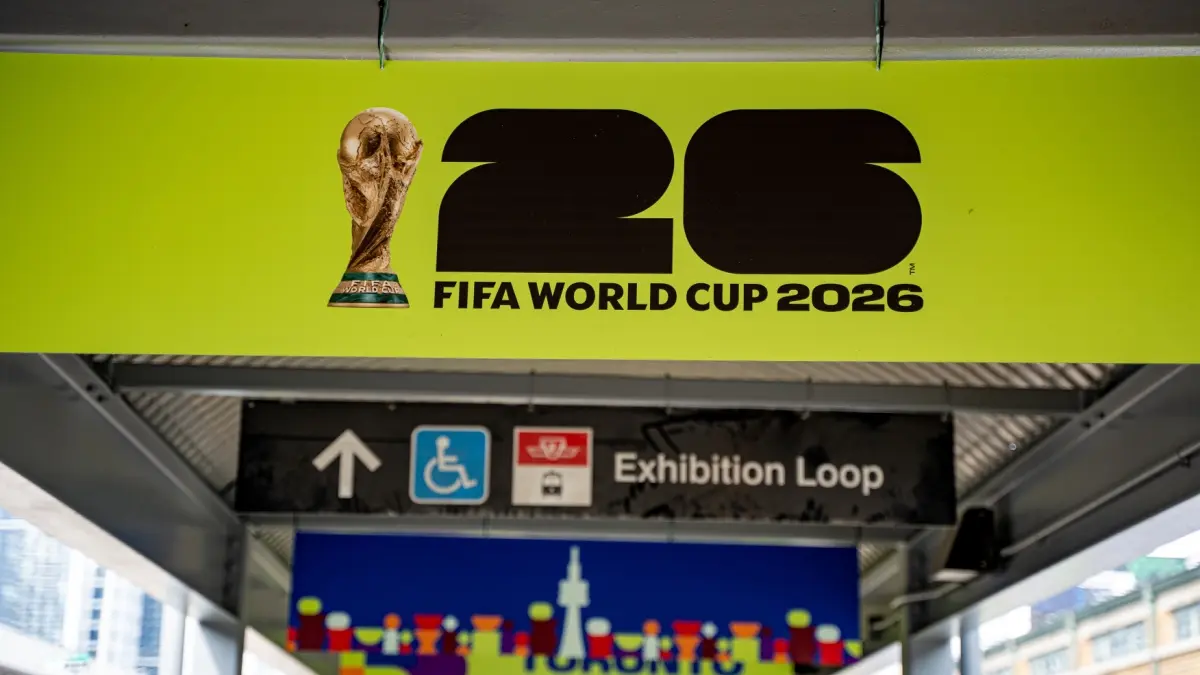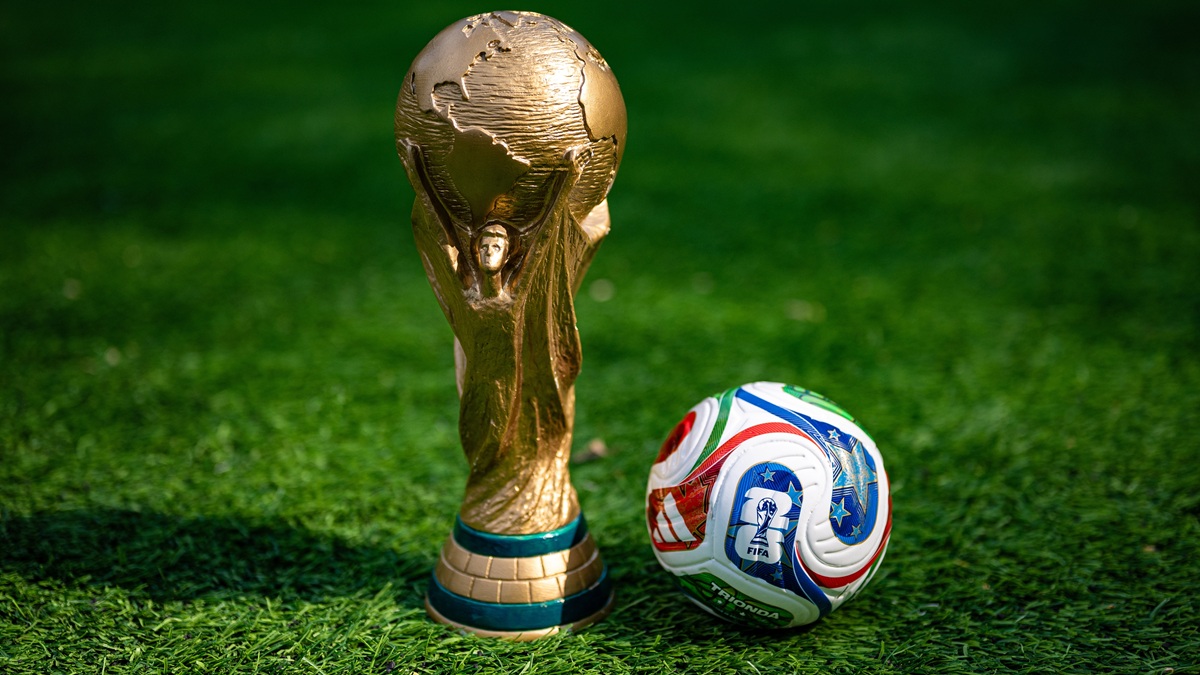



The UK sports and recreation sector is heading into the summer expecting a major boost, with the ongoing 2026 FIFA World Cup set to deliver one of the biggest opportunities for businesses in the sector
New analysis from money.co.uk forecasts an additional £3.1bn ($4bn) in revenue between May and July 2026, representing an 18.8% increase compared with a typical year.
The projection, published earlier today (24 June), is based on the idea that major tournaments encourage more people to get active. However, history suggests that this boost is usually temporary, leaving businesses and sporting bodies with the challenge of turning short-term excitement into lasting engagement.
The analysis uses ONS turnover data and spending patterns from previous tournaments to understand how major sporting events influence participation, facility usage and consumer behaviour.
It suggests that major competitions usually trigger short-term increases in grassroots sport, fitness activity and spending as fans become more engaged with the sport.
Gyms and sports venues set to be the biggest winners
According to the analysis, gyms, sports facilities and recreational venues are expected to take the lion’s share of the boost.
“The World Cup creates a fantastic opportunity for sports and recreation businesses to convert heightened public interest into long-term engagement. For small and independent operators, this can mean increased sign-ups, higher facility usage and stronger demand for group-based activities during the tournament period,” said Joe Phelan, Business Bank Accounts Expert at money.co.uk.

“Gyms, leisure centres and sports venues are particularly well placed to benefit by offering flexible memberships, short-term promotions and event-led activities that tap into increased motivation to get active while the tournament is underway.”
During the World Cup, operators are expected to see increased sign-ups and higher attendance levels, particularly during evening hours that align with later kick-off times due to the tournament being hosted across the US, Mexico and Canada.
Five-a-side pitches, leisure centres and recreational venues are also expected to see higher booking volumes. This follows patterns seen during previous tournaments, where activity rises during the group stages and knockout rounds as motivation and social activity increase.
The UK government has regularly used major tournaments as a way to encourage participation in grassroots sport, although the impact is usually much greater when events take place on home soil.
Earlier this month, the UK government announced a £3m investment into five new all-weather cricket domes ahead of the ICC Women’s T20 World Cup currently taking place.
The England and Wales Cricket Board (ECB) said the tournament presents an opportunity to create long-term growth for the women’s and girls’ game.
“Hosting this year’s ICC Women’s T20 World Cup is a huge opportunity to turbocharge the growth of women’s and girls’ cricket, and access to top quality facilities is an important part of that,” said Richard Thompson, Chair of the ECB.
Turning the World Cup sugar rush into something lasting
The inspiration effect highlighted by money.co.uk usually doesn’t survive very long after the tournament and can be even shorter depending on the success of the home nation. Participation often increases during major tournaments before returning to previous levels once the event ends.
That creates a challenge for both businesses and organisations like the ECB. Companies may see a spike in revenue and new customers, but without the right strategy, it can quickly disappear.
The ECB views the all-weather domes as a way to help solve this problem, allowing people who pick up cricket during the summer to continue playing through the winter months and during periods of poor weather.