


New data from the Women’s Sport Trust highlights a shift in sponsorship effectiveness, with challenger brands delivering stronger results through relevance, authenticity and emotional connection – not spend.
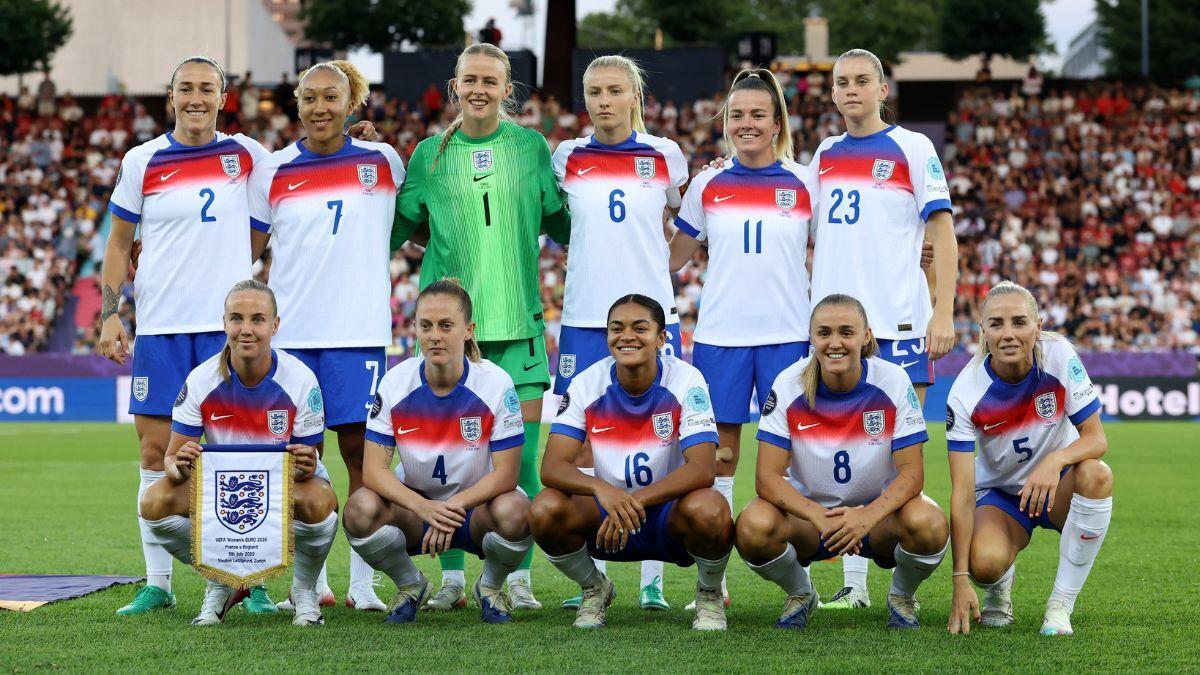
As the England Lionesses celebrated a confident victory over the Netherlands last night, national attention turned once again to the Women’s Euros, and with it, to the brands hoping to ride the wave of women’s sport’s growing cultural relevance.
A timely report from the Women’s Sport Trust (WST) offers a clear-eyed view of which sponsors are truly cutting through; the findings may challenge some longstanding assumptions about what drives value in sport sponsorship.
Far from a contest dominated by legacy brands, the 2025 Consumer View study shows that smaller, less traditional sponsors are outperforming household names in driving emotional connection, brand affinity and purchase consideration.
“Real commercial momentum depends on understanding what truly resonates with fans, and how that translates into brand and business outcomes,” says Tammy Parlour, CEO of the WST.
“Women’s sport sponsorship works, but not always in the same way as men’s. It demands a different lens, different activations, and a sharper focus on relevance, values, and storytelling.”
And they’re doing so not through scale or spend, but through sharper strategy and cultural alignment.
Strategic clarity over brand category
At first glance, many of the highest-performing sponsors in the WST data might appear atypical for a sport context. Il Makiage, Clinique and Joie, beauty and parenting brands not typically associated with football or rugby, scored among the highest on brand affinity and consideration.
But categorising this as a “rise of unexpected sponsors” misses the point.
These brands succeeded not because of who they are, but because of how they engaged. The report points to values alignment, emotional storytelling, and community integration as the critical differentiators. In other words, the strongest results came from brands that understood the unique context of women’s sport and activated accordingly.
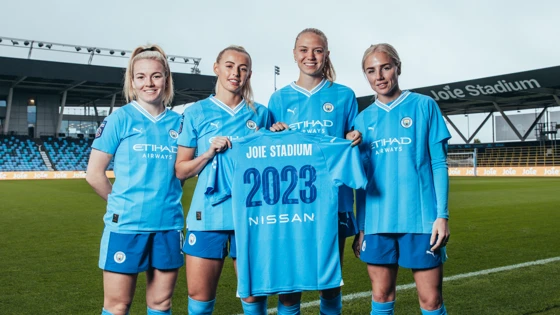
For example, Joie’s partnership with Manchester City Women didn’t rely on traditional advertising weight. Instead, the brand brought its family-first identity to life through matchday experiences, grassroots ticket access and content that generated over 7.7 million impressions, all while delivering a 74% affinity score among those aware of the sponsorship.
Il Makiage, meanwhile, saw a 19% year-on-year increase in affinity and a 15% lift in brand consideration – the highest of any sponsor in the dataset – through a bold campaign with Arsenal Women that fused sport, beauty and self-expression across London and social platforms.
Emotional connection beats exposure
One of the most striking findings in the report is that sponsorship success in women’s sport often defies traditional media logic. Visibility remains important – awareness of women’s sport sponsorships has grown to 28.9 million UK adults, up from 24.5 million in 2023 – but high impact does not depend on high awareness.
Among those familiar with Rexona’s athlete partnership with Lucy Bronze, 76% felt more positive about the brand. Similarly high scores were reported for Cadbury’s tie-in with Leah Williamson (64%) and Warburtons’ with Mary Earps (41% brand consideration). In each case, emotional resonance and personal narrative outperformed scale-driven campaigns.
This shift is especially pronounced among 18–34-year-olds. Awareness of women’s sport sponsorships is significantly higher in this group than the general public, and 34% said they are more likely to buy from brands that support women’s sport — nearly double the population average.
A new benchmark for brand-building
The WST report points to a growing divide between brands that treat women’s sport as a broadcast extension and those that see it as a platform for deeper consumer engagement. Among the general public, 68% say it’s important for sponsors to invest in the long-term future of women’s sport, and 72% want brands to support athletes’ mental health and wellbeing.
This consumer expectation has created a new benchmark. Sponsorship is increasingly judged not just on brand presence, but on perceived commitment, values alignment, and contribution to the sport’s ecosystem. That includes grassroots access, authentic representation, and investment in athlete wellbeing, areas where challenger brands appear more agile than traditional sponsors.
Clinique’s “GameFace” campaign with Premiership Women’s Rugby, for instance, led to one of the highest consideration rates across all sponsorships (42%), despite low initial awareness. The campaign’s focus on self-expression, identity and inclusion offered a culturally relevant fit for young women, one of the fastest-growing audiences in women’s sport.
Implications for legacy sponsors
The findings raise important questions for more established players in sport sponsorship. Barclays, Guinness and O2 – all long-term backers of both men’s and women’s properties – feature prominently in the awareness rankings, yet are often outperformed in affinity and consideration by newer, more targeted partnerships.
For example, while 41% of UK adults are aware of Barclays’ sponsorship of the Premier League, only 16% of those are more likely to consider the brand as a result. By contrast, 24% of those aware of Barclays’ women’s football partnership are more likely to consider the brand; a clear sign that engagement with women’s sport can deliver stronger results among more engaged audiences.
The opportunity for legacy sponsors may lie less in duplicating men’s sport strategies and more in differentiating their approach within women’s sport. The brands gaining ground are those that invest early, act authentically and commit beyond the headline moments.