


The group’s next acquisition may not be a football club at all, with senior leadership signalling interest in expanding into North American sport and beyond.
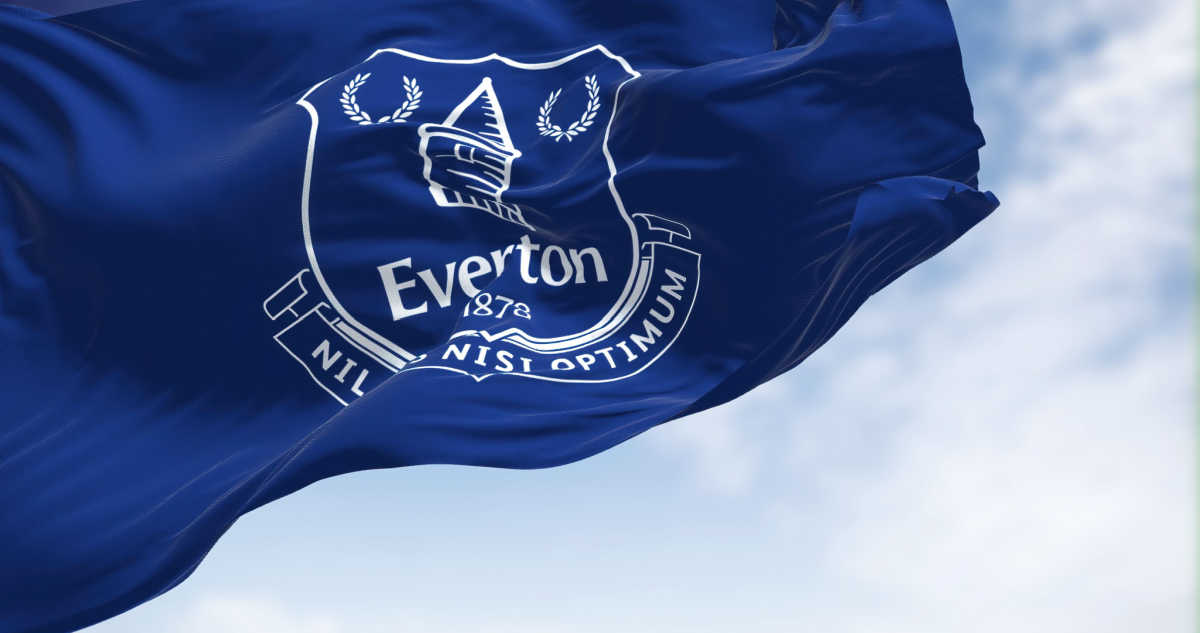
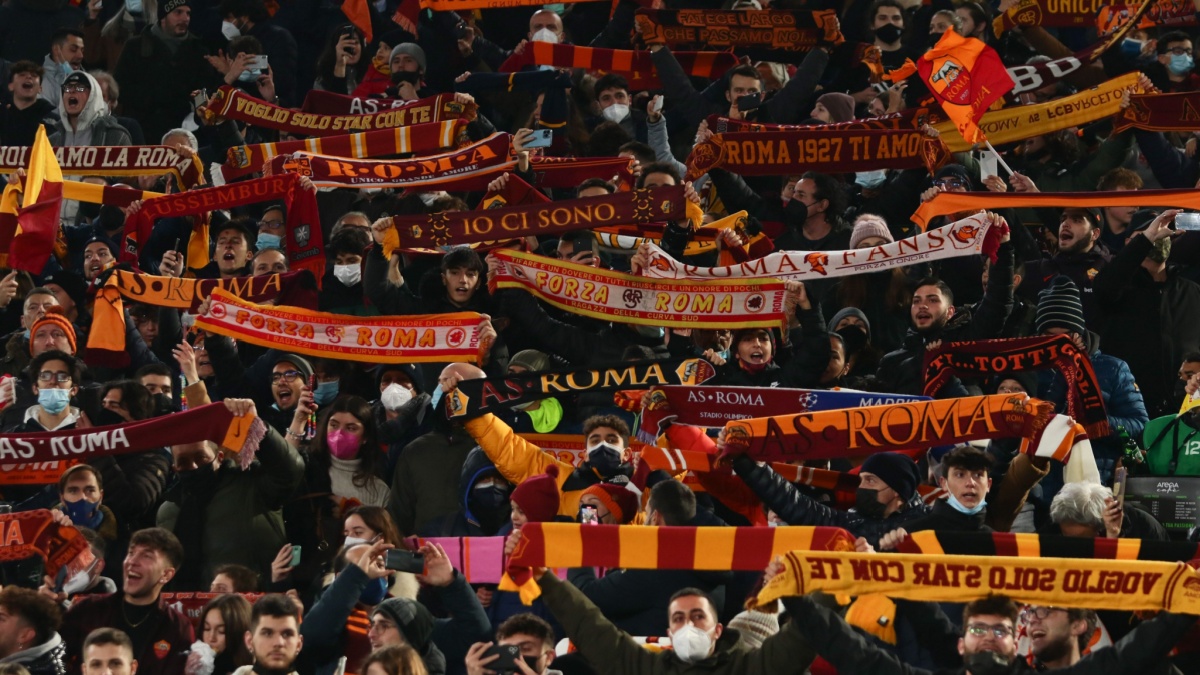
The Friedkin Group has formally entered the multi-club ownership arena with the launch of Pursuit Sports, a new entity that will oversee its portfolio of professional football clubs: A.S. Roma, Everton F.C., and A.S. Cannes.
The move, announced on 16 July, marks a notable structural evolution for the privately held U.S. group, positioning it among a growing cohort of ownership models that aim to centralise operations and scale performance across multiple teams.
Pursuit Sports will be led by Dave Beeston, a seasoned sports executive with prior tenures at Fenway Sports Group and Clearlake Capital.
“With a focus on people and data-driven decision making, we will use our scale, insights, and expertise to unlock and empower the leadership at each of our clubs,” Beeston said in the official release.
“[This will] allow them to realise their full potential and pursue championship success. We will utilise that same rigorous decision-making process to evaluate additional opportunities to expand our family of teams moving forward.”
A formal shift in sports strategy
While the Friedkin Group has been active in football since acquiring A.S. Roma in 2020 for approximately $591 million, the launch of Pursuit Sports signals a more intentional move towards a portfolio-based ownership model.
Its acquisition of lower-tier French club A.S. Cannes in 2023 and Premier League side Everton in late 2024 set the groundwork for what is now a formal consolidation of assets under a single management structure.
In December 2024, the group completed a 98.8 % takeover of Everton, reported to be worth over £400 million, marking it the tenth Premier League club under majority US ownership
The group’s chairman and CEO, Dan Friedkin, will also serve as chairman of Pursuit Sports, reinforcing his direct involvement in the strategic direction of the sports division.

“The launch of Pursuit Sports marks an exciting new chapter in The Friedkin Group’s vision to elevate and empower world-class sports organisations,” Friedkin said in the announcement.
“Through this platform, we can do more than support our teams at a high level—we are investing in their long-term success by bringing together the full strength of our global expertise, resources, and pursuit of excellence.”
Multi-club ownership continues to expand
Friedkin’s latest step comes amid a broader industry trend toward multi-club models, with established entities such as City Football Group, RedBird Capital, Ineos, and 777 Partners pursuing similar strategies across Europe and beyond.
The appeal lies in potential synergies across recruitment, data, player development, and commercial growth.
Yet the model has also drawn scrutiny from regulators and supporters. Concerns over competitive integrity, loss of club autonomy, and conflicts of interest remain unresolved in several jurisdictions, including UEFA competitions. While Pursuit Sports currently operates across three clubs in separate leagues, the potential for crossover, in transfers, branding, or decision-making, warrants close observation.
From a commercial standpoint, the launch of Pursuit Sports allows the Friedkin Group to better align its football interests under a unified leadership team and corporate structure.
The appointment of Beeston, who was involved in high-level transactions such as Fenway’s acquisition of the Pittsburgh Penguins and the $1.5bn investment into PGA Tour Enterprises, suggests a methodical, financially disciplined approach.
What distinguishes Pursuit from the pack?
Unlike some of its peers, the Friedkin Group has adopted a relatively measured approach to expansion. It has avoided the rapid acquisitions seen from groups like 777 or BlueCo, and instead focused on a small, high-investment portfolio.
Whether this strategy will deliver better long-term results remains uncertain, particularly as Everton continues to face structural and financial challenges despite its new ownership.
At the same time, Pursuit’s stated commitment to preserving the identity and passion that makes each club unique may prove difficult to uphold in practice. Operating multiple clubs with distinct fan bases, regulatory contexts, and cultural expectations requires more than a centralised model; it demands sensitivity, trust, and time.
Next moves and broader implications
With Pursuit Sports now publicly positioned as a growth platform, the group is expected to evaluate further acquisitions in football or potentially other sports.
The Friedkin Group has previously expressed interest in a Houston-based NHL expansion franchise and was reportedly involved in bidding for the Boston Celtics earlier in 2025.
For now, the focus will be on stabilising and optimising its current holdings. But for stakeholders across the football industry Friedkin’s structured entry into the multi-club model is further evidence that professional football is becoming increasingly centralised, corporatised, and strategic.