


With the 2025/26 Premier League season looming, Nottingham Forest has become one of the final clubs to sign a front-of-shirt gambling sponsor before such deals are banned.
Earlier this week, Nottingham Forest unveiled a new partnership with Bally’s Corporation, a major US-headquartered casino and iGaming brand.
The deal will see Bally’s logo appear across the men’s first team kits and City Ground signage for the upcoming campaign, marking a significant commercial win for Forest just one season before the Premier League’s ban on front-of-shirt gambling sponsorships comes into effect.
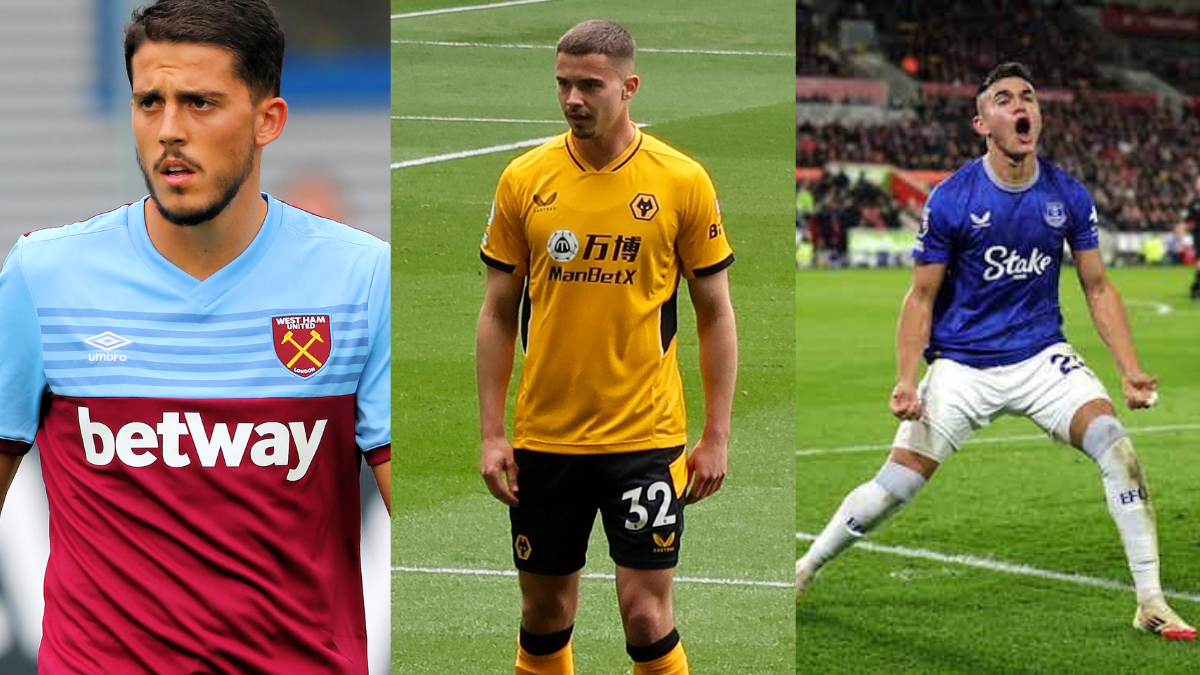
The sponsorship ban, voted through by all 20 Premier League clubs in April 2023, will take hold from the start of the 2026/27 season. It prohibits gambling brands from appearing on the front of matchday shirts, though sleeve placements, training kits and stadium signage will still be available.
Speaking on the iGaming Daily podcast, host Fernando Noodt, Media Manager at SBC, was joined by Christian Lee, Business Journalist at iGaming Expert, and Kieran O’Connor, Business Journalist at Insider Sport, to unpack what the ban means for clubs like Forest and for the gambling sector at large.
“It’s definitely an interesting one,” said Lee. “It will have some impact on visibility given the fact that the front of the shirt is the most prominent place for a sponsor to be.”
He pointed to Leeds United’s recent deal with Parimatch as an example of how brands are already moving to alternative placements. “Even when they do bring this front of shirt sponsorship ban in place, gambling brands will just find another way to be involved through deals such as sleeves sponsorships or training kit sponsorships,” he explained.
O’Connor added context around the league’s decision: “This move was largely preemptive… there was a lot of pressure on the government to move forward and enact stricter legislation on sporting clubs and their relationships with the betting community. So the Premier League sort of took it into their own hands.”
For Nottingham Forest, the Bally’s deal comes at a particularly important time. The club is entering its fourth consecutive season in the Premier League, preparing for a return to European competition and still dealing with the financial pressure of a three-point deduction last season for breaching the league’s Profit and Sustainability Rules.
Club owner Evangelos Marinakis said the partnership reflects a club that is “determined to keep achieving incredible things,” while Bally’s CEO Robeson Reeves described it as an opportunity to “bring our global brand to the Premier League stage” and “collaborate on initiatives that make a meaningful impact both locally and internationally.”
However, while the move may make sense commercially, it comes at a moment of intensifying scrutiny.
From white labels to real engagement
This new agreement is, in some ways, what many critics of gambling sponsorships have long called for. It’s a deal with a recognised, fully licensed operator that can deliver fan activations, experiences and a clear consumer-facing brand.
That hasn’t always been the case in recent seasons.
Earlier this year, several Premier League clubs saw sponsorship arrangements disrupted following the collapse of TGP Europe’s white label network, which licensed overseas operators like Sportsbet.io (Newcastle United), SBOTOP (Fulham) and BC Game (Leicester City).
When TGP ceased operations in May, the UK-licensed shell enabling these brands to advertise in Britain effectively disappeared, leaving fans facing sponsors they couldn’t bet with, and clubs rushing to meet regulatory requirements around geo-blocking.
The situation highlighted a frequent criticism from campaigners and fans alike that many front-of-shirt betting sponsors have no real connection to the fanbase or matchday experience, existing solely for international visibility.
From front to sleeve
As the 2025/26 season approaches, some clubs are already planning for life after the ban. Rather than turning away from gambling partnerships entirely, the focus is shifting, quite literally, to other areas of the kit.
“Sleeve deals are going to be the top spot probably for football going forward,” Noodt explained on iGaming Daily. “Since they can’t put themselves in front of the shirts, they will be fighting for that spot.”
Training kit sponsorships are also becoming increasingly valuable in an era of 24/7 football content and media coverage. As Lee pointed out: “They could even be more valuable than front of shirt, given how much social media content teams put out through the week when players are training, when they do press conferences, pregame… things like that.”
This commercial pivot doesn’t mean the loss of front-of-shirt betting sponsorships will go unnoticed, however. As discussed on the podcast, operators have traditionally paid above market value to secure that premium branding position.
Citing data from The Sponsor, O’Connor noted: “Aston Villa’s recent sponsorship deal with Betano represented a £ 13.6m increase over the club’s fair market value, while Nottingham Forest’s [old] £14m agreement with Kaiyun Sports is more than double the club’s fair market value for that deal.”
Despite these inflated values, there’s still confidence that Premier League clubs will weather the shift.
The Premier League is such a big business that there’ll be plenty of other sectors willing to fork out the money to get their brand on the front of shirts, the podcast noted. “Will they pay the same amount of money that these betting brands have traditionally paid? I’m not sure,” said O’Connor
For clubs like Nottingham Forest, signing a deal with a globally recognised, licensed brand like Bally’s now is not just about capitalising on a closing window; it’s also about aligning with partners that offer longevity, visibility and legitimacy in an increasingly scrutinised sponsorship landscape.
As the iGaming Daily episode concluded, the ban may signal the end of betting logos on Premier League chests, but not the end of betting in football. Instead, it’s simply moving to sleeves, to training kits, to stadium signage and to smarter, more integrated activations.