Your article was successfully posted to your social media. Want to share more? Go ahead!
Image courtesy of WNBA
David Dembowski, SVP at Operative, looks at how the WNBA has transformed from a niche league fighting for airtime into one of the fastest-growing sports properties, and what its trajectory reveals about the future of fan engagement.
David Dembowski, Senior Vice President of Global Sales at Operative
After Caitlin Clark ignited interest in women’s basketball, many people assumed it was a fluke, but the dramatic rise in women’s basketball keeps going. Last year’s WNBA all star game attracted more than 10 million viewers, a 538% increase over the year before. This year, typical WNBA viewership is up another 23% year over year.
The beauty of watching a sport capture the country’s attention so quickly is that the entire sports world is watching in real time which new forms of content and engagement work, providing an opportunity to improve fan engagement in even the oldest and most traditional sports.
A combination of personalized engagement, multi-platform content and updated advertising technology gives media companies the reach, attention and agility they need to succeed in the future.
Elevating players across channels
For most of sports history, direct fan engagement with players was limited to getting an autograph on the sidelines. Players would be interviewed after a game, or for a big feature in a magazine, but their personalities and personal lives were largely secondary to their stats save for a few big stars.
Today, many of the WNBA’s best players spend hours each week on social media, providing a personal view of their life, connecting with fans in new ways. Basketball star Angel Reese has more than 5 million fans on both TikTok and Instagram, sharing everything from feelings about her injuries to getting dressed for a night out. This not only gives Reese a platform of her own for increasing her relationship with fans, it reframes her sport as one that becomes more personal. Like rooting for a friend on the sidelines at a high school game, fan engagement adds levels of connection that fans are embracing.
Angel Reese at the MN Lynx vs Chicago Sky, on September 1st, 2024 at Target Center in Minneapolis, Minnesota (photo credit John McClellan)
While individual stars can benefit from creating direct relationships with fans, teams and even sports organizations can connect with audiences on social media, too. A comprehensive study of the importance of leveraging social media to connect with fans notes the increasing demand for continuous engagement. Social media not only delivers a more constant connection, it increases emotional investment, and provides an opportunity to deepen expertise and knowledge. The more fans engage, the more they know and the more they care about the sport and the players.
Media companies can deliver “always on” experiences between games and even off season with a content plan that digs deeper. Teams can provide behind-the-scenes clips during training season, introduce new team members or new coaches with interviews and educate about the game such as this video about new NFL rules going into effect.
Reimagining Media Access and Growth
New media formats are shaking up sports in a lot of ways. While social media is getting players and teams closer to fans, the rise of streaming has made it harder for fans to watch games and harder for advertisers to reach them.
The problem of finding where to watch the game has gotten so widespread that Consumer Reports recently wrote an article about it. Many organizations have even created pages on their websites about “where to watch the game.”
Part of the issue is that many people don’t know which company owns which rights and which apps they have access to. In addition to broadcast companies like NBC and CBS, streamers including Amazon, Disney and Apple now have rights to stream games. Ask the typical sports fan which parent company owns ESPN and whether they have a subscription or free access and many people don’t know how to respond.
The problem may become worse before it gets better as new media companies like FAST apps and gaming companies buy up rights. However, over time, it’s likely that media companies will consolidate, CTV content will become easier to navigate, and sports organizations will strike deals that make it easier for fans to find the games. In the meantime, it’s critical for media companies to continue to communicate to fans to make sure they know how and where to access games.
While sports organizations and media companies figure out rights and access, both sides are also working to deliver value to advertisers. More than ever, advertisers are interested in reaching fans within premium sports content and don’t care much about which screen or which app delivers the experience. From premium sponsorships and exclusives to programmatic spot buys, more and more sports content is digital, providing opportunities for targeting, personalization and engagement – combining highly technical ad delivery with highly personal content and social connection.
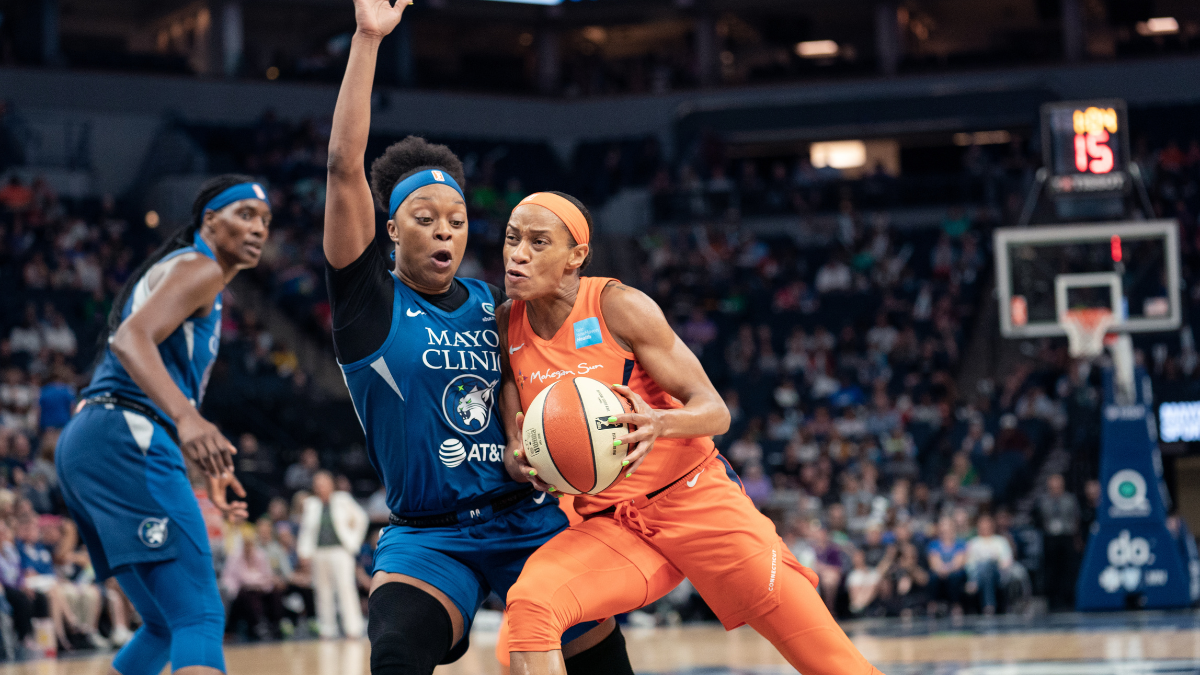
Minnesota Lynx vs Connecticut Sun on August 9, 2019 at Target Center in Minneapolis, Minnesota; the Lynx won the game 89-57. Image: Lorie Shaull
The new advertising sale is less about a prime-time spot that gets a high share-of-voice and more about delivering measurable outcomes for a specific target audience. Needless to say, delivering on this promise is complex – requiring access to data, product and inventory pricing and availability across channels and platforms, and the ability to deliver and optimize with precision.
Media companies and sports organizations are finding that legacy technology isn’t enough to support the reality of sports advertising and media today. Adding an open, flexible technology layer that can bring together disparate legacy platforms, unify data and streamline processes isthe important next step that many companies are taking. While stars like Clark and Reese grab the headlines, getting the back-end in place to deliver those memorable moments is a critical component that can’t be overlooked.
David Dembowski is the Senior Vice President of Global Sales at Operative, working with his team to forge strong relationships with media companies around the world. He brings over 20 years of leadership experience with media and technology companies, including Operative, Standard Media Index, IgnitionOne, and Yahoo.






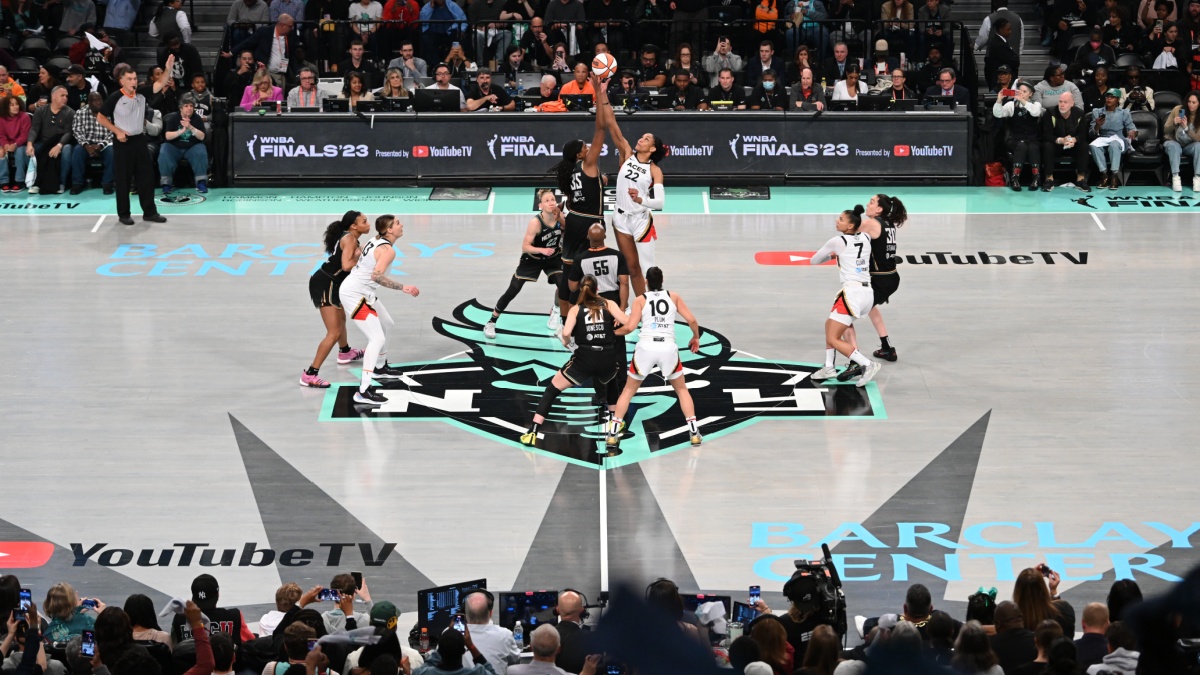

What the WNBA tells us about the future of fan engagement
You’ve shared it!
David Dembowski, SVP at Operative, looks at how the WNBA has transformed from a niche league fighting for airtime into one of the fastest-growing sports properties, and what its trajectory reveals about the future of fan engagement.
After Caitlin Clark ignited interest in women’s basketball, many people assumed it was a fluke, but the dramatic rise in women’s basketball keeps going. Last year’s WNBA all star game attracted more than 10 million viewers, a 538% increase over the year before. This year, typical WNBA viewership is up another 23% year over year.
The beauty of watching a sport capture the country’s attention so quickly is that the entire sports world is watching in real time which new forms of content and engagement work, providing an opportunity to improve fan engagement in even the oldest and most traditional sports.
A combination of personalized engagement, multi-platform content and updated advertising technology gives media companies the reach, attention and agility they need to succeed in the
future.
Elevating players across channels
For most of sports history, direct fan engagement with players was limited to getting an autograph on the sidelines. Players would be interviewed after a game, or for a big feature in a magazine, but their personalities and personal lives were largely secondary to their stats save for a few big stars.
Today, many of the WNBA’s best players spend hours each week on social media, providing a personal view of their life, connecting with fans in new ways. Basketball star Angel Reese has more than 5 million fans on both TikTok and Instagram, sharing everything from feelings about her injuries to getting dressed for a night out. This not only gives Reese a platform of her own for increasing her relationship with fans, it reframes her sport as one that becomes more personal. Like rooting for a friend on the sidelines at a high school game, fan engagement adds levels of connection that fans are embracing.
While individual stars can benefit from creating direct relationships with fans, teams and even sports organizations can connect with audiences on social media, too. A comprehensive study of the importance of leveraging social media to connect with fans notes the increasing demand for continuous engagement. Social media not only delivers a more constant connection, it increases emotional investment, and provides an opportunity to deepen expertise and knowledge. The more fans engage, the more they know and the more they care about the sport and the players.
Media companies can deliver “always on” experiences between games and even off season with a content plan that digs deeper. Teams can provide behind-the-scenes clips during training season, introduce new team members or new coaches with interviews and educate about the game such as this video about new NFL rules going into effect.
Reimagining Media Access and Growth
New media formats are shaking up sports in a lot of ways. While social media is getting players and teams closer to fans, the rise of streaming has made it harder for fans to watch games and harder for advertisers to reach them.
The problem of finding where to watch the game has gotten so widespread that Consumer Reports recently wrote an article about it. Many organizations have even created pages on their websites about “where to watch the game.”
Part of the issue is that many people don’t know which company owns which rights and which apps they have access to. In addition to broadcast companies like NBC and CBS, streamers including Amazon, Disney and Apple now have rights to stream games. Ask the typical sports fan which parent company owns ESPN and whether they have a subscription or free access and many people don’t know how to respond.
The problem may become worse before it gets better as new media companies like FAST apps and gaming companies buy up rights. However, over time, it’s likely that media companies will consolidate, CTV content will become easier to navigate, and sports organizations will strike deals that make it easier for fans to find the games. In the meantime, it’s critical for media companies to continue to communicate to fans to make sure they know how and where to access games.
While sports organizations and media companies figure out rights and access, both sides are also working to deliver value to advertisers. More than ever, advertisers are interested in reaching fans within premium sports content and don’t care much about which screen or which app delivers the experience. From premium sponsorships and exclusives to programmatic spot buys, more and more sports content is digital, providing opportunities for targeting, personalization and engagement – combining highly technical ad delivery with highly personal content and social connection.
The new advertising sale is less about a prime-time spot that gets a high share-of-voice and more about delivering measurable outcomes for a specific target audience. Needless to say, delivering on this promise is complex – requiring access to data, product and inventory pricing and availability across channels and platforms, and the ability to deliver and optimize with precision.
Media companies and sports organizations are finding that legacy technology isn’t enough to support the reality of sports advertising and media today. Adding an open, flexible technology layer that can bring together disparate legacy platforms, unify data and streamline processes isthe important next step that many companies are taking. While stars like Clark and Reese grab the headlines, getting the back-end in place to deliver those memorable moments is a critical component that can’t be overlooked.
David Dembowski is the Senior Vice President of Global Sales at Operative, working with his team to forge strong relationships with media companies around the world. He brings over 20 years of leadership experience with media and technology companies, including Operative, Standard Media Index, IgnitionOne, and Yahoo.