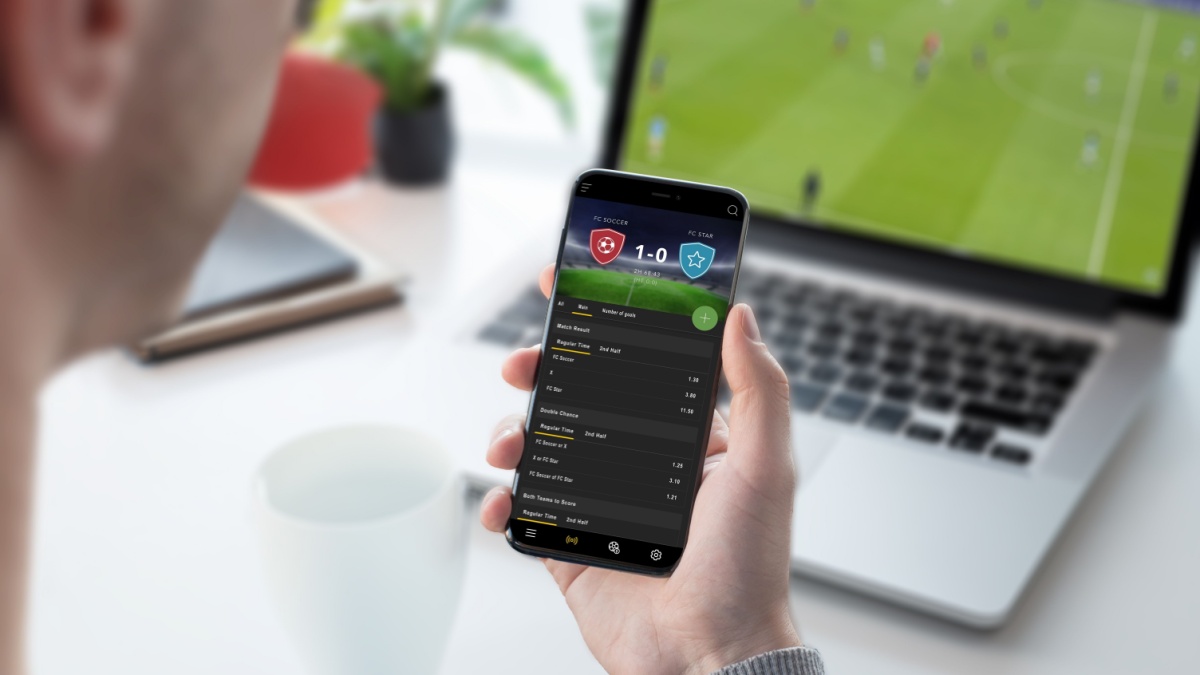




User experience is becoming a decisive battleground in sports betting. As margins tighten and acquisition costs rise, the operators winning share are those that make placing a bet feel fast, trustworthy and effortless. Yet too many brands still lean on generic templates and cluttered layouts, sacrificing clarity for feature bloat and leaving money on the table (especially on mobile, where most bets now start).
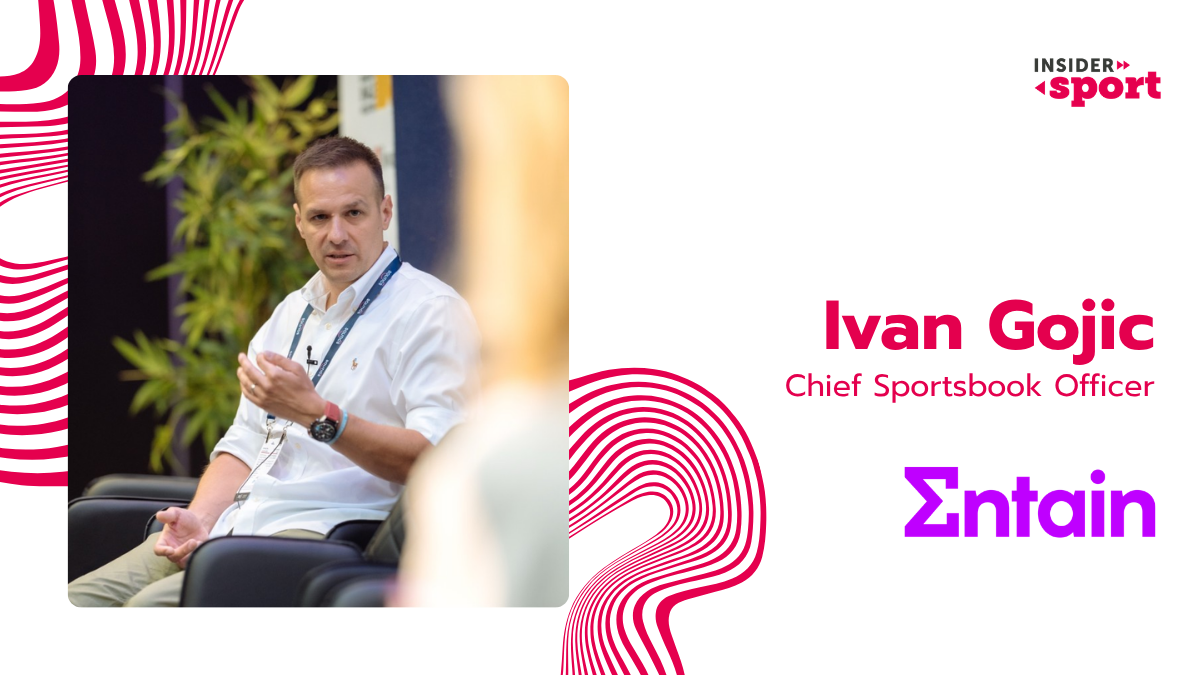
Speaking to Insider Sport, Gentoo Media’s Nikola Lero explores the commercial impact of UX and UI across sportsbook and casino, from conversion via affiliate traffic to the harder work of retention. We discuss the trade-offs in personalisation, how to design truly mobile-first journeys, and the metrics that prove ROI.
Ahead of his appearance at SBC Summit, Lero explains why the most successful platforms will blend the speed of a sportsbook with the entertainment of a casino, and why getting the basics right still moves the needle.
Read the full interview below.
In sports betting, how critical is UX and UI design to overall commercial performance — and do you think operators are giving it enough attention?
UX and UI are vital in sports betting because speed, trust, and ease of use have a direct impact on how well you convert, engage, and retain bettors. The top operators put serious focus on creating smooth, intuitive user experiences, while many mid-tier brands still rely on generic platforms, which often leads to higher churn and lower lifetime value.
Many platforms still struggle with cluttered design and information overload. From your perspective, what’s the biggest design mistake sportsbooks continue to make?
I believe that the biggest mistake is trying to pack everything into one page: odds, promos, and markets all competing for the user’s attention on the same screen. That ends up overwhelming users and slowing them down.
Bettors want speed and clarity, so a clean layout with a clear structure will always deliver a better experience than a cluttered interface, especially on smaller screens.
You oversee both casino and sportsbook. How do user expectations differ between the two verticals, and what lessons can each borrow from the other in terms of UX/UI?
Having worked in both spaces, I’ve seen that sportsbook users are on a mission, while casino users are there to be entertained.
A sports bettor wants to find information and place a bet as quickly as possible. A casino player is looking to get lost in a game and enjoy the experience. Sportsbooks should strive to be more visually engaging and use gamification, like a casino.
On the other hand, I think casinos could use a dose of the sportsbook’s clarity and focus on pure speed. In my opinion, the most successful platforms will be the ones that blend the best of both worlds: the speed of a sportsbook with the entertainment of a casino.
Affiliates play a huge role in acquisition. How can optimised UX/UI improve the conversion journey once players land on an operator’s site?
Affiliates bring the traffic, but the operator’s UX/UI determines whether that traffic actually converts.
Once a player lands, the site needs to deliver on expectations: the offer should match what the user saw and clicked on on the affiliate website. Next, the sign-up and deposit flow should be fast and mobile-friendly, with trust signals, such as licensing and payment options, clearly displayed. Not to mention the quality odds and availability of betting markets.
In the long term, continuous testing helps smooth out any drop-offs and strong UX/UI turns clicks into active, depositing players.
Do you think the betting industry underestimates the role of UX in customer retention — particularly when compared to other entertainment sectors like streaming or gaming?
The betting industry still relies heavily on odds and promotions for customer retention. It is a transactional model that can’t match the approach of streaming or gaming, which is understandable as we are talking about entirely different experiences.
However, now that competition has grown significantly, operators are realising that UX drives loyalty, and that a smooth, intuitive interface has become crucial for users. They’re borrowing from other sectors with personalisation and frictionless user flows.
They are designing offers that are unique to a single bettor based on their betting activities, because bonuses and competitive odds will always be a part of a good user experience.
With personalisation and data-driven design becoming more sophisticated, where do you draw the line between enhancing usability and overwhelming users with too many options?
The key is to use personalisation to make things easier and more focused. The operator should show players what’s most relevant to them, keep the journey simple, and let them dig deeper if they want. The whole experience should feel tailored, not cluttered.
Mobile-first design has become the standard — but do you think sportsbooks are truly maximising the potential of mobile UX, or are there still gaps to close?
I think most sportsbooks are mobile-first in layout, but not always in experience. Too often, they just shrink the desktop site, instead of redesigning for how people actually use their phones.
There are still big opportunities in speed, navigation, and true one-handed use, and the brands that capitalise on these will have a real edge. A mobile app is often the best solution for mobile UX, but it has to be done right and with the end user in mind.
From a business strategy standpoint, how should operators quantify the ROI of improving their UX and UI?
Operators can measure UX/UI ROI by looking at how improvements affect key behaviours, including sign-ups, first deposits, session length, and retention, and then linking those to lifetime value. Even small uplifts can drive significant revenue, so testing changes and measuring before and after is critical.
You’ll be speaking on this topic at SBC Summit. What’s the one point you hope the audience of sports business leaders will take away from the discussion?
The key takeaway I want the audience to remember is this: acquisition brings players in, but UX/UI keeps them coming back. Operators who focus on seamless, personalised, and mobile-friendly experiences will convert more players and build real long-term loyalty.
September 15 will see SBC organise a ground breaking charity football event in Lisbon. Make sure you get the chance to see some of the most legendary names in football by securing your ticket today at https://www.legendscharitygame.com/