


As operators prepare for the 2026 FIFA World Cup in Canada, executives across the betting industry warned that soaring acquisition costs and retention pressures could ultimately define whether the tournament becomes a long-term commercial success or a short-lived boom.
Four years ago, Ontario’s regulated betting market was still in its infancy when the FIFA World Cup arrived in Qatar. Operators had only months to prepare after the province launched its competitive online gaming market in April 2022, while awkward time zones and an overcrowded sporting calendar limited the event’s local impact.
The 2026 tournament will be different.
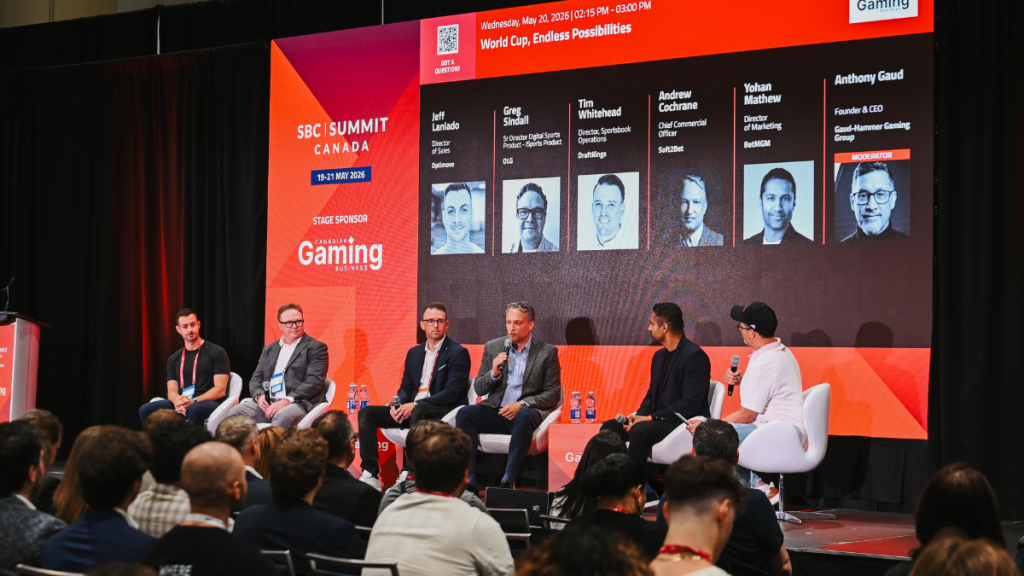
With Toronto set to host matches and Canada fielding what several industry executives described as the nation’s strongest ever men’s side, operators are preparing for what could become the biggest customer acquisition opportunity the province has seen since regulation began. Yet behind the excitement surrounding the first men’s World Cup hosted in North America since 1994, a more cautious message emerged during a panel discussion at SBC Summit Canada.
Speaking during the “World Cup: Endless Possibilities” panel, Jeff Laniado, Director of Sales at Optimove, suggested the tournament could represent the Ontario market’s “last big real acquisition opportunity”, citing research indicating that as many as 46% of Ontarians expect to place a bet on the tournament, with roughly 9-10% potentially representing new customers.
This opportunity, however, comes with growing pressure around profitability, retention and rising acquisition costs.
Ontario enters its first ‘mature’ World Cup
The contrast between Qatar 2022 and the upcoming tournament was repeatedly referenced throughout the discussion. Andrew Cochrane, Chief Commercial Officer at Soft2Bet, noted that Ontario was still “very immature” during the previous World Cup, while the broader North American regulatory landscape has expanded significantly in the years since.
Unlike Qatar 2022, which took place in November during the height of the NFL season, the 2026 competition will occupy a relatively quiet summer sports calendar, creating a far clearer runway for operators to market football betting products to mainstream audiences.
Tim Whitehead, Sportsbook Director at DraftKings, argued the World Cup sits in a different category to traditional sporting events because it transcends sports media and becomes part of mainstream culture. “It’s one of the events that breaks through sports media into mainstream media and pop culture,” he said.
Whitehead compared the overall scale of the event to the NFL playoffs outside of the Super Bowl itself, while also stressing the significance of Canada, the US and Mexico hosting the tournament simultaneously.
The importance of time zones and local participation also emerged as a recurring theme throughout the panel. Operators believe Canada’s improving national team and the convenience of local kick-off times could help drive deeper engagement than previous tournaments.
“We typically see in the industry as the home teams go, the engagement follows,” Whitehead explained, adding that longer runs by Canada, the US or Mexico would likely extend customer activity throughout the tournament.
The industry’s retention problem
While acquisition opportunities dominated much of the conversation, the panel repeatedly returned to a more pressing concern: how to stop newly acquired players from disappearing once the tournament ends. Yohan Mathew, Director of Marketing at BetMGM Canada, said operators have become more disciplined following previous large-scale events such as the Super Bowl, warning against simply chasing volume at any cost.
“The takeaway is really about precision over scale,” he said. Mathew explained while major tournaments inevitably create spikes in new registrations, operators still need to balance customer acquisition costs with long-term player value.
“It’s going to be on us to find that balance between the right CPAs, acquiring players that are actually going to be valuable, and then delivering an experience where they’re going to want to stick around and stay on the platform,” he added.
This concern was echoed even more bluntly by Cochrane, who warned that operators risk overspending during the tournament if they fail to convert sports bettors into multi-product customers.“You have to shift a sizable percentage to iGaming or other gaming verticals to get your ARPU levels to a point where actually it’s worth investing at the CPA levels that the market is dictating,” he said.
“If you can’t do that, you’re going to be running out of money pretty quickly.”
The conversation around retention extended beyond marketing and into customer operations. Cochrane stressed that customer service teams, fraud departments and platform infrastructure all face significant pressure during major sporting events, particularly as a single poor customer experience can rapidly spread online.
“One of the critical success factors of VIP players is how quickly their first query is resolved,” he explained, arguing that operators must scale operational teams alongside their marketing activity.
Greg Sindall, Senior Director of Digital Sports Product at OLG, similarly argued that the true measure of success would not come during the tournament itself, but months later when regular sports calendars resume.
“You can look at your turnover, your hold for the event, and how many new sign-ups, and that’s great for your short-term win, but really it’s about how many of those customers did you keep?” he said.
Localisation becomes a competitive battleground
Another dominant theme throughout the discussion was localisation. With Toronto’s multicultural population expected to support a wide range of national teams, operators are increasingly tailoring products, promotions and content to individual fan identities rather than treating the World Cup as a single mass-market event.
Sindall said OLG intends to lean heavily into Canadian storytelling while also recognising the province’s diverse football allegiances. “Ontario and Toronto specifically is a very diverse population,” he said. “People cheer for other teams as well.”
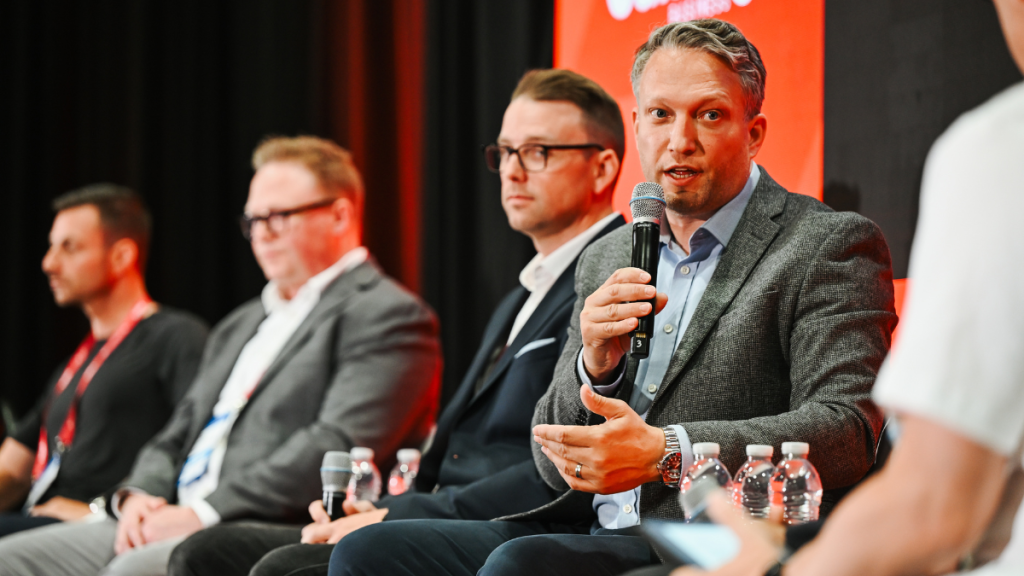
Whitehead revealed DraftKings has developed a dedicated Spanish-language sportsbook experience, built internally with the World Cup specifically in mind.
“We think it’s a great opportunity for Spanish-speaking Canadians in Ontario, but also in the US, to come in and engage with the World Cup and have an authentic experience in their preferred language,” he said.
Mathew referenced partnerships with local football podcasts and creators, while several panellists discussed the importance of aligning promotions with emerging tournament storylines and national team loyalties.
Laniado noted that roughly 75% of bettors are expected to wager on their own national team during the tournament, creating both opportunities and risks for operators. “What happens when they lose?” he asked.
For CRM and retention teams, that creates another challenge: how to keep emotionally invested fans engaged once their preferred nation is eliminated.
Betting product arms race intensifies
The World Cup is also expected to accelerate changes already reshaping sports betting products across North America. Several panellists pointed towards growing demand for same-game parlays, player prop betting and live wagering experiences more commonly associated with the NFL.
Whitehead said DraftKings plans to offer more player props, expanded same-game parlay functionality and increased micro-market coverage than in previous football tournaments. Meanwhile, suppliers such as Soft2Bet and Optimove described increasingly sophisticated gamification and CRM systems designed to keep players engaged throughout the tournament cycle.
Cochrane explained that Soft2Bet has developed football-themed free-to-play games intended to reinforce customer engagement beyond betting itself.
Laniado also pointed towards the growing importance of real-time marketing, describing scenarios where sportsbooks may trigger live offers based on individual betting behaviour during matches.
“Operators are trying to tap into that existing base of NFL bettors and cross-sell them into a new product,” he explained.