


The Women’s Super League (WSL) is riding a wave of momentum as it headed into the 2025/26 season.
Not only will English fans be feeling optimism around the future of the women’s game after the Lionesses won a second consecutive European Championship this past summer, but Sky Sports will hope that optimism translates into record-high viewerships to begin the first year of a new five-year broadcast deal.
To gain a deeper insight into what Sky Sports’ coverage of the WSL entails this season and over the next five, Gary Hughes, Director of Football at Sky Sports, spoke to Insider Sport on why the rights to the league helps cement it as the “home of domestic football” in the UK.
Hughes delves into how he and the Sky Sports Football team approached the schedule for this season, why Sunday 12pm games were a priority for the biggest fixtures, and why they are focusing heavily on attracting their Under-35 demographic.
What were your initial thoughts on the performance of Sky Sports’ coverage of the opening weekend of the WSL season?
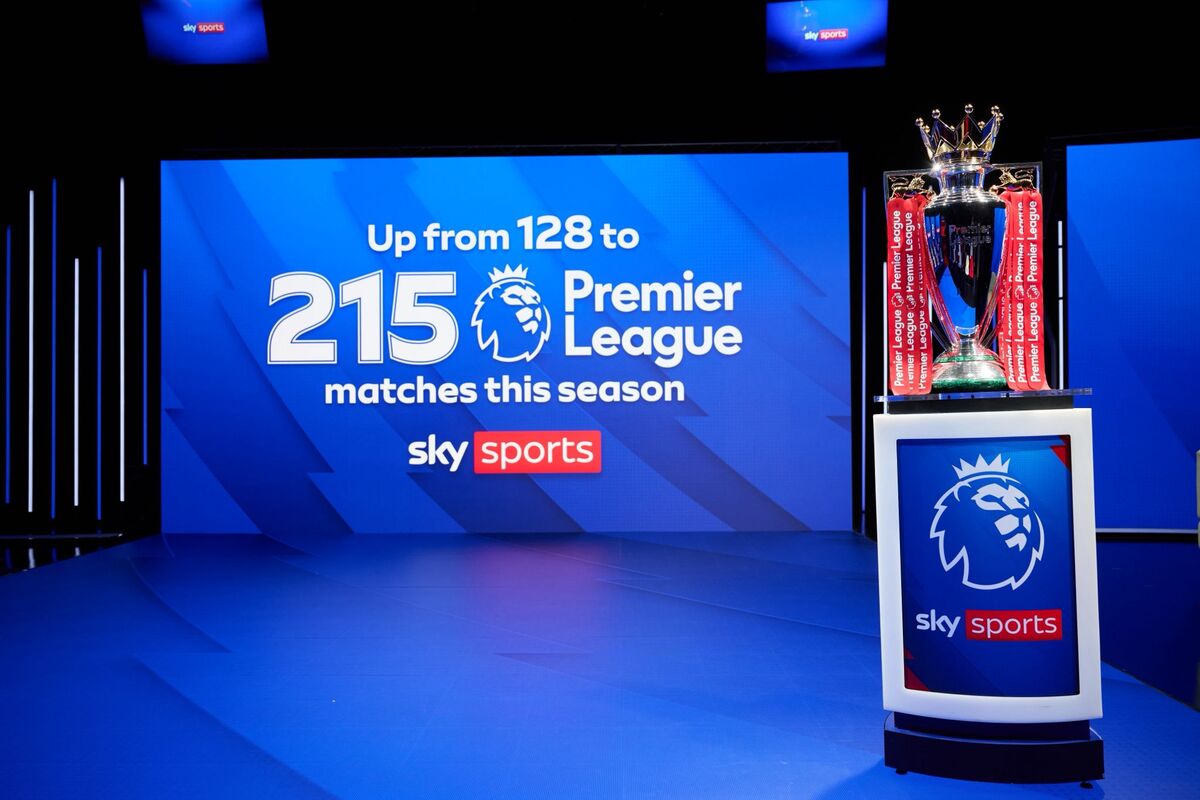
It was weekend one of a landmark five-year deal, and I think it was a really positive strong start. We were really pleased internally about how (Chelsea vs. Manchester City) Friday night (September 5) and Saturday night (September 6 – Arsenal vs. London City) went. We had five games across the weekend which is going to be the norm from us throughout the season. We have got 118 out of 132 games, 90% of the matches, which is huge.
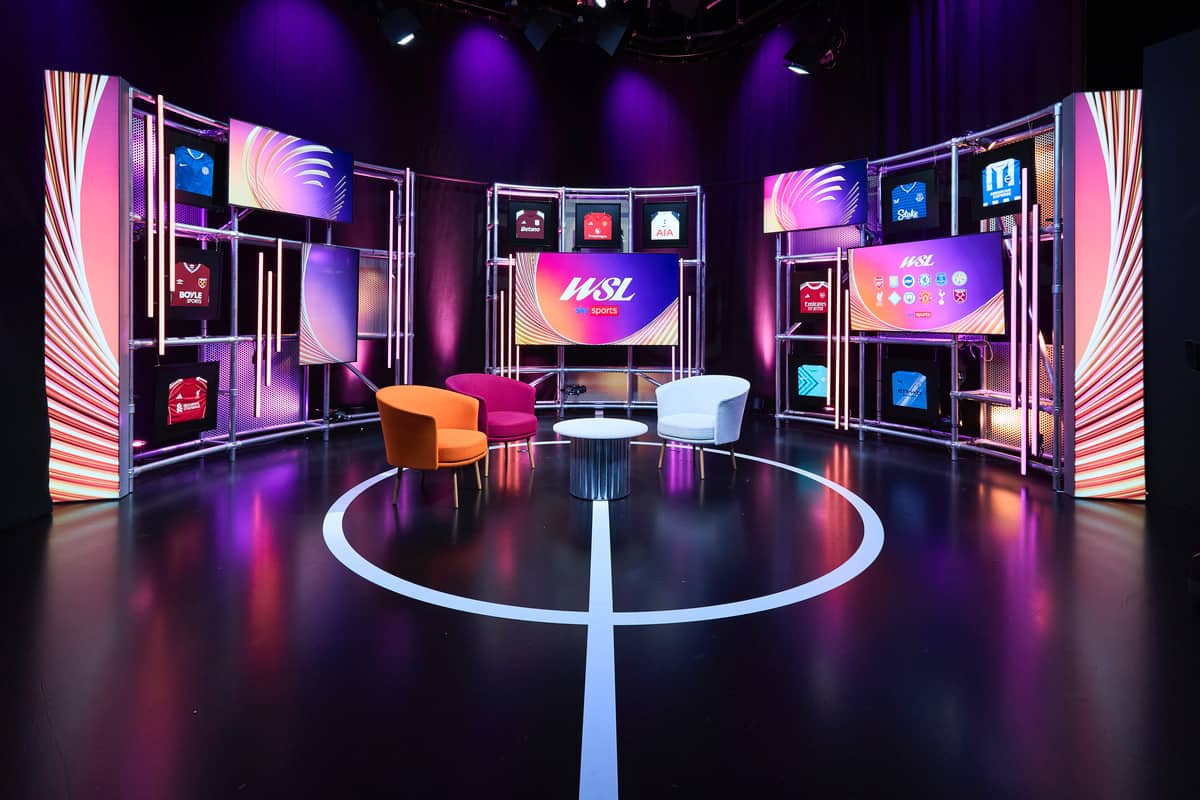
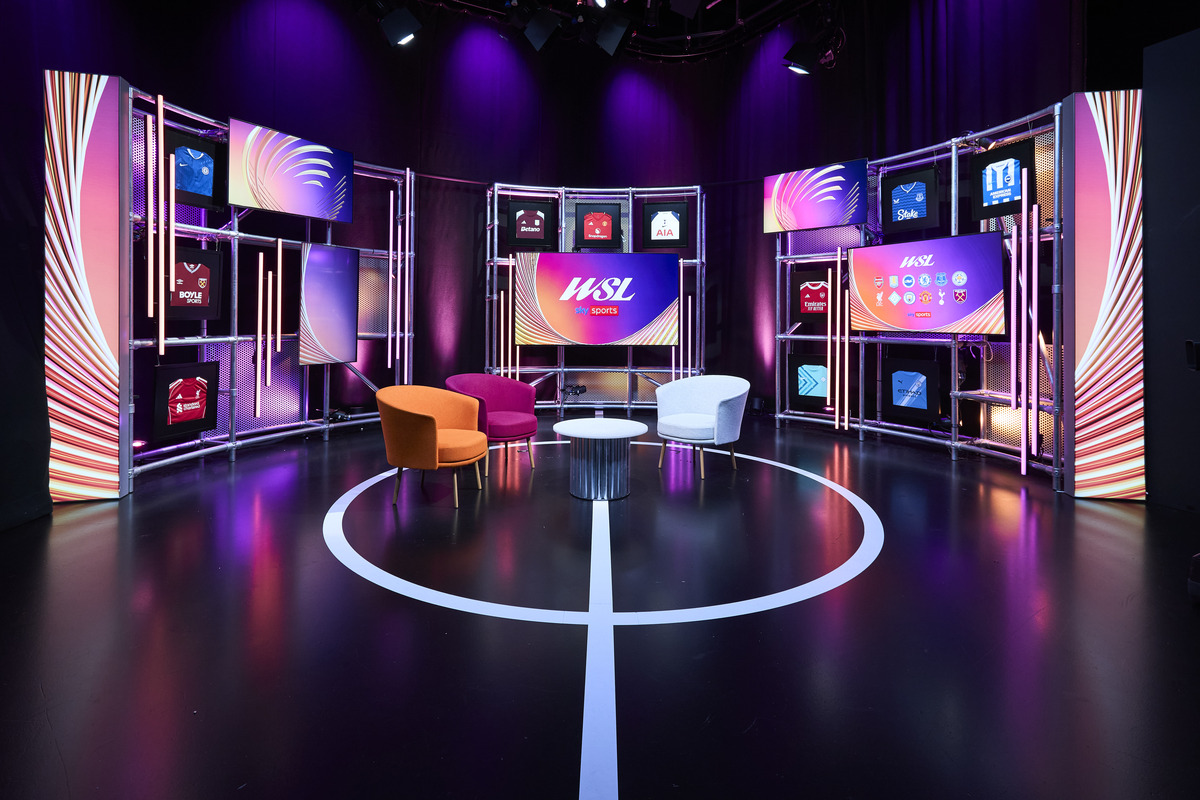
We have a new creative strategy, a new studio, pundits, commentators and a new social corner element for Sunday afternoons. Overall, as the first week went, we were really pleased.
Viewership was up year-on-year from last year, which was really positive. We’re working with a new production partner with the league, Vivid and Aurora, who are delivering the other matches. I think to deliver those four matches clean across Sunday and do the multi-view offering, we are giving customers more choice.
With scheduling, what opportunities are there for holding WSL matchweek fixtures during the men’s international breaks, but also during Premier League matchweeks where ‘big matches’ are taking place?
What’s been really important, which was fundamental to the new deal, was to try and find an appointment for a new slot for regular kick-off times.
There was a lot of talk around 3:00pm kick-offs on Saturdays (to be televised) for a long period. But certainly for the next four years, that’s not going to happen. But we were able to secure a midday Sunday slot which we think is really important. We want our biggest game on midday Sunday, where we are not just focusing on one game, but three or four games happening at the same time, kicking off simultaneously.
We’re always going to have a very packed football schedule and part of my role is making sure that we can schedule games in the best possible slots. On Sundays at 12pm, you have a WSL kick-off time, at 2pm the first Sunday Premier League starts and then the next Premier League game at 4:30pm. You have games going back-to-back and build-ups (to the games) that are overlapping, or WSL games that are happening during the build-up to a Premier League game.
What we will do during those Premier League build-ups is to reflect on the stories of the WSL games so that the WSL will be able to receive a wider audience.
What you may also find during Sunday midday is that there will be WSL clubs playing the same day as their male club counterparts. I think there is a real opportunity for a lot more crossover for duel promotion, such as, for example, gaining interviews from a women’s and men’s player from Manchester City talking about the fixtures coming up.
What we want to try and do is really lean into the fact that a lot of WSL clubs are prominent Premier League clubs as well, where we can create natural conversations between both women’s and men’s clubs to work together for everyone’s benefit for the growth of the women’s game.
With the international breaks, there is a real opportunity for women’s football to come to the fore. We held four live games on September 7 across our front channels and multi-view, with women’s football being across four of four five front channels, dominating viewing and putting it front and centre.
With WSL games also on Sky Sports YouTube, what are some of the audience/demographic opportunities Sky Sports sees for WSL broadcasts this season, particularly amongst younger, digital-native groups?
We have 78 exclusive matches and there will be 34 other matches that will be shared across our YouTube channel to become available to a wider audience.
What we are trying to do is to get more visibility for WSL matches. We have done a lot of research over the years not just around women’s sport, but the whole of sports to engage younger audiences. We call them the Under-35 demographic.
We do see a slightly younger fanbase amongst women’s football and that is why we have brought onboard social elements to broadcasts. We have Alex Bayliss to be that connection between younger audiences, social and broadcast.
We want the young, up-and-coming WSL superfan to engage with narratives via social media with our new ‘social corner’ as part of our coverage.
How are Sky Sports working with the WSL to not only grow the league, but also the visibility of its players to become more household names?
We have allowed for the first time in any broadcast rights deal for players themselves to have digital rights. They have to go via the league and their clubs to post their own footage.
For example, Chloe Kelly could post a goal she scores on a weekend and other highlights picked up on coverage as long as it’s tagging the league and the broadcaster.
We are trying to work closely with the players. We think the players are the way to broaden the audience and engage with the Under-35’s audiences who are attracted to the WSL and we want to make stars out of these players. We want to tell the stories of who they are, not just as footballers, but what they get up to off the pitch to humanise them.
There are various ways in which we are aiming to achieve this. We have some engaging features such as ‘Roll The Dice’ and other regular digital features we typically do – i.e. with Premier League football players – that I am sure we will do with the WSL players this season.
Lastly Gary, with Sky Sports now securing its Premier League and WSL future, how important was this amid the surge in streaming competition?
A big part of Sky’s business is sport. We’re really lucky as a sports team that our CEO has backed us on sports broadcast rights.
Our strategy over the last few years has been to secure rights as long as we possibly can; the Premier League for four more years, another four years of English Football League (EFL), another four years of Scottish Professional Football League (SPFL), and five years of the WSL… it cements our position as the home of domestic football.
That gives customers security, it gives us security and the opportunity to plan and work with the leagues to develop and innovate with all our partners.
On customer security, we also have available Formula One at the end of the decade, tennis, cricket, and golf. We have a really strong portfolio of broadcast rights which I think is massively important. We want Sky Sports to be the home of football, and the home of sports, and I think that has been a successful strategy that we have executed in terms of securing the broadcast rights that we want.
Of course there are other opportunities out there that we will always assess. We have a team that is always looking at what rights are worth and what value we should be pitching at and when they come about, I am sure we will take a look when the time comes.