



UEFA could have set a precedent for European league matches to be played abroad, though it stresses this is an exceptional situation.
UEFA has approved one La Liga and one Serie A match to be played outside Europe later this season.
Announced on October 6, the governing body confirmed Villarreal will face Barcelona in Miami in December. In February, AC Milan will play Como in Perth, Australia.
This is being seen as a major moment in European football because these will be the first European league games to take place abroad. However, UEFA’s comments around the decision have caused confusion.
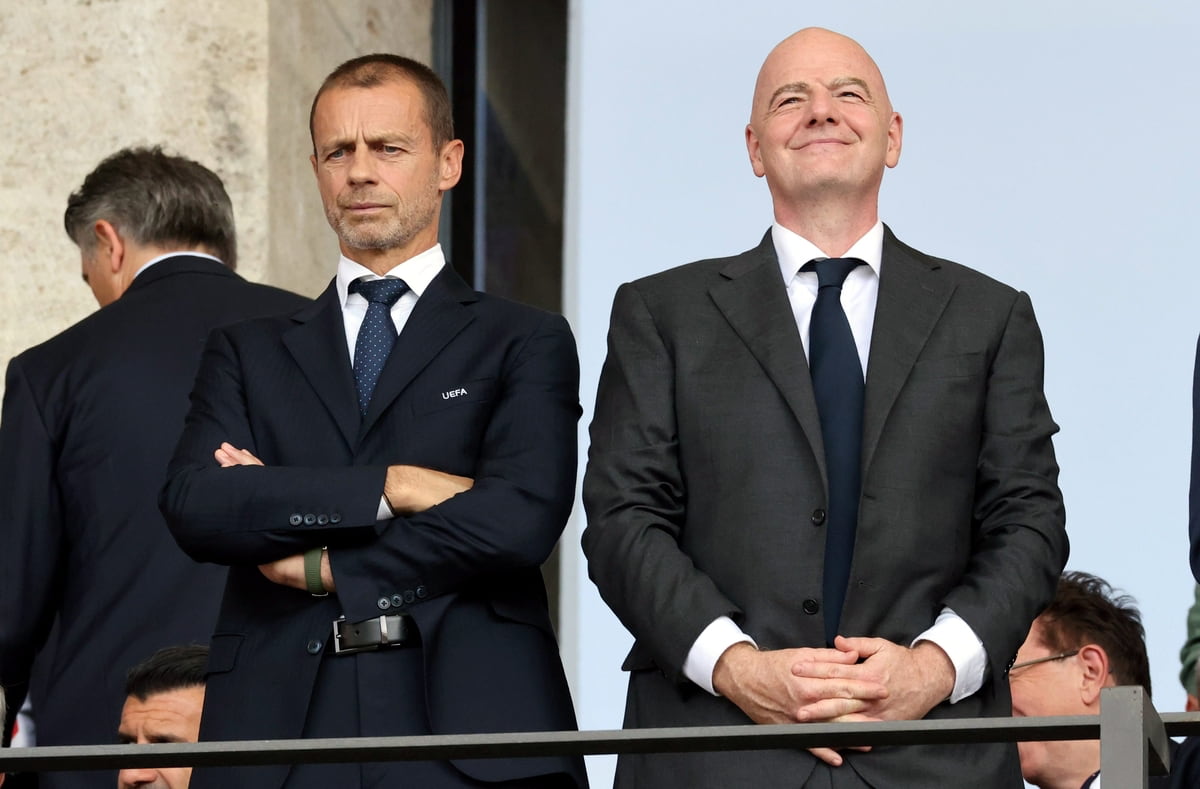
UEFA President Aleksander Čeferin said league matches should be played on home soil. He warned “anything else would disenfranchise loyal match-going fans and potentially introduce distortive elements in competitions.”
He said UEFA had consulted all 55 national associations and most shared the same concerns voiced by fans, clubs, leagues, players and European institutions about moving domestic games overseas.
UEFA explained it “reluctantly” allowed the games to go ahead because the current FIFA rules are not clear or detailed enough. The body said this was an exceptional situation and that it will work with FIFA to protect the integrity of domestic leagues in future.
“While it is regrettable to have to let these two games go ahead, this decision is exceptional and shall not be seen as setting a precedent,” said Čeferin. “Our commitment is clear: to protect the integrity of national leagues and ensure that football remains anchored in its home environment.”
Can stakeholders trust UEFA?
UEFA’s decision contradicts its words. While the organisation calls the move a one-off, how can people believe UEFA when its actions suggest otherwise.
There are many reasons clubs are drawn to playing matches abroad. When Villarreal and Barcelona meet in Miami, they are likely to attract both the large Spanish community there and fans already connected to La Liga through players like Lionel Messi.
Choosing locations which align with a club’s identity helps them grow new fan bases and attract supporters who often spend more on merchandise than domestic fans.
The second reason is financial. With tighter financial rules and growing competition across Europe, clubs are looking for new ways to make money. Pre-season friendlies abroad already help teams boost commercial income, especially during times of new signings.
Manchester United, for example, played two pre-season games in Asia reportedly generating about £8m ($10.7m). The club has even considered playing mid-week friendlies in Saudi Arabia to make up for missing out on European competitions this season.
Turning league games into international events could take this strategy further, allowing clubs to raise ticket prices and bring in more revenue.
Could English football be next?
The Premier League is the most-watched football league in the world, giving it strong potential to hold league games abroad. However, so far, English clubs have shown little interest.
Lower-league sides have expressed more enthusiasm. Championship clubs Wrexham and Birmingham City, both backed by celebrity owners, said in June 2025 they wanted to play abroad, but the English Football League (EFL) rejected the idea.
The reasons were similar to UEFA’s concerns over integrity and fan loyalty. These same points were echoed by Football Supporters Europe (FSE) in response to the recent news.
“We urge La Liga and Serie A to act for the greater good of football and withdraw their plans rather than push ahead in the face of overwhelming opposition from the rest of the football family and the European institutions,” wrote FSE.
“We call on FIFA to uphold and reinforce their current regulations and reject the applications to relocate these domestic fixtures abroad. There is still time to do right by clubs, players, officials, supporters, and communities.”
“FSE will continue to stand firmly with fans in Spain and Italy in resisting these damaging proposals. Together with our members in these countries, we are looking into every possible option to counter these plans. By forcing through these matches, La Liga and Serie A risk undermining their own history and long-term success while inflicting long-lasting harm to football in Europe and beyond.”