Insider Sport gets an inside look at why Canterbury has renewed its partnership with Premiership Women’s Rugby (PWR).
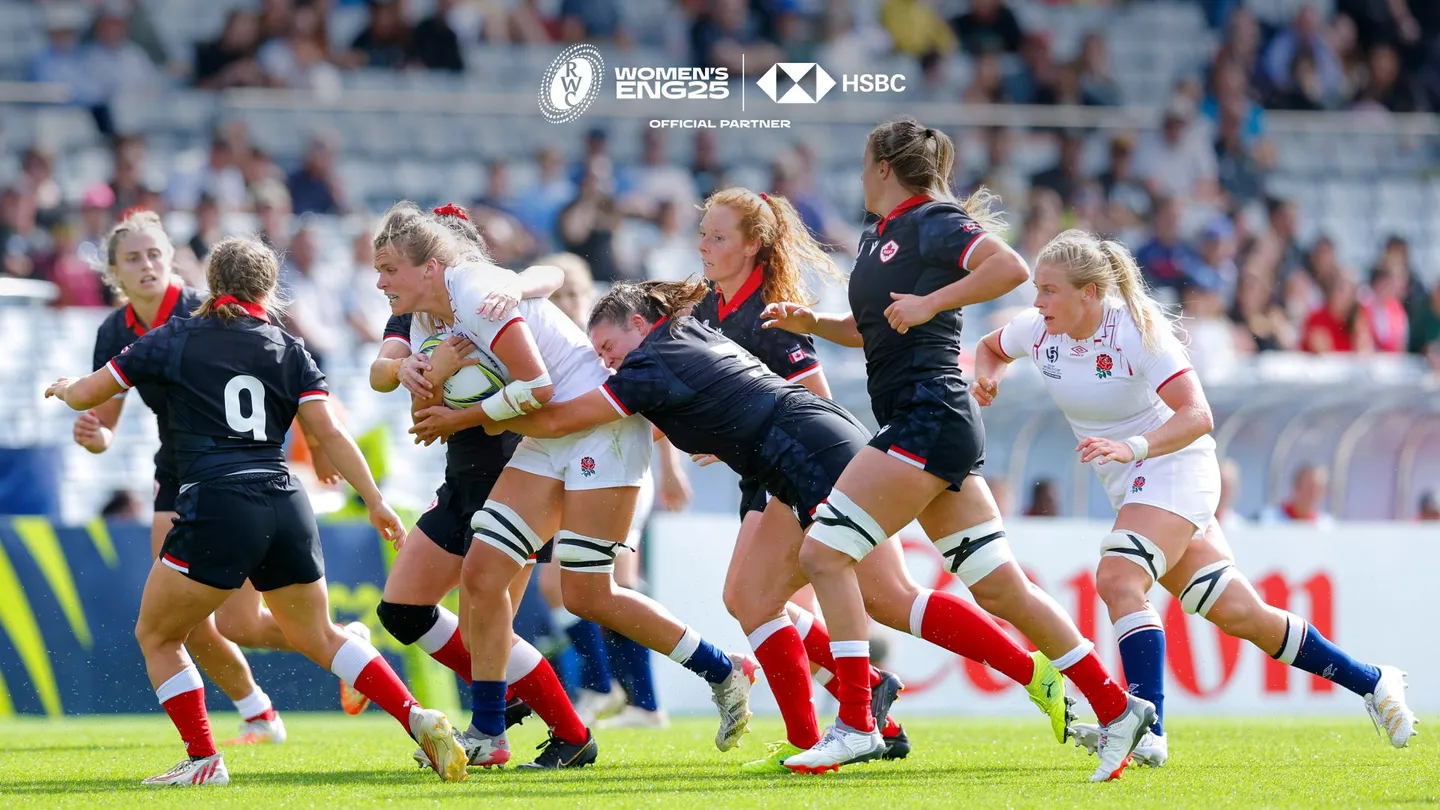
Women’s professional sport in England has had a year to remember. The England Lionesses secured back-to-back Euros titles, while the Red Roses recently lifted the Rugby World Cup.
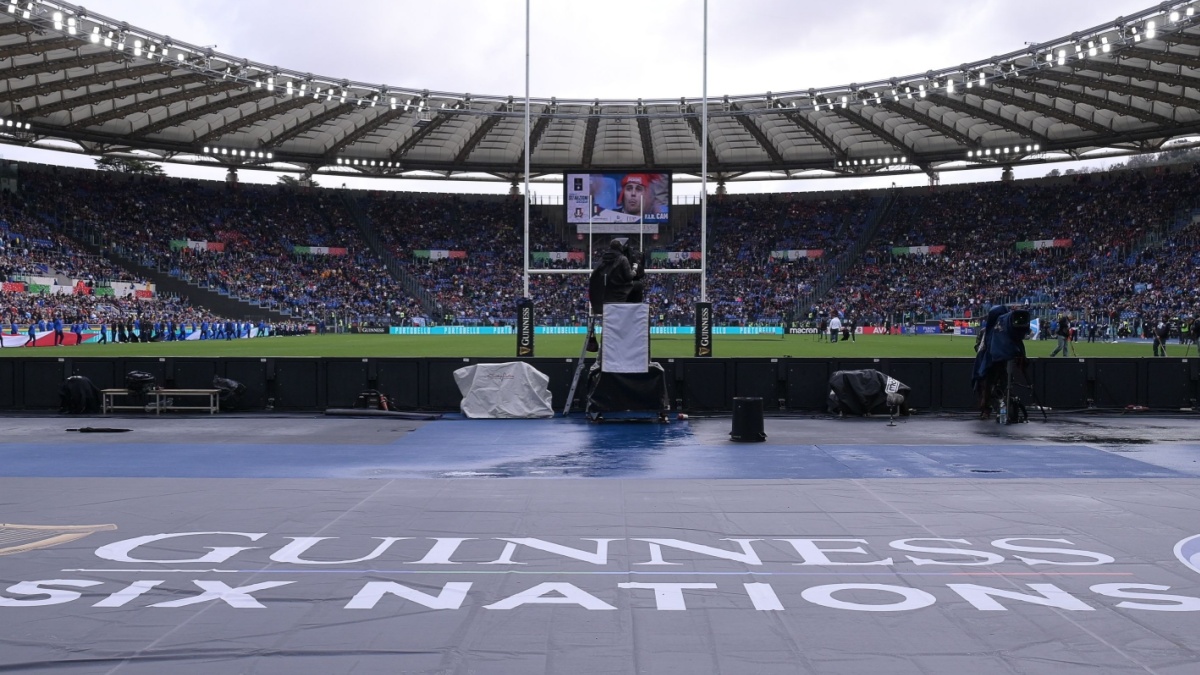
Both sports are experiencing rapid growth, and history shows that brands which back them early often reap the rewards. That moment appears to have arrived for women’s rugby, with the Women’s Six Nations attracting 456,000 viewers, while the World Cup surpassed 10 million, representing an increase of more than 2,000%.
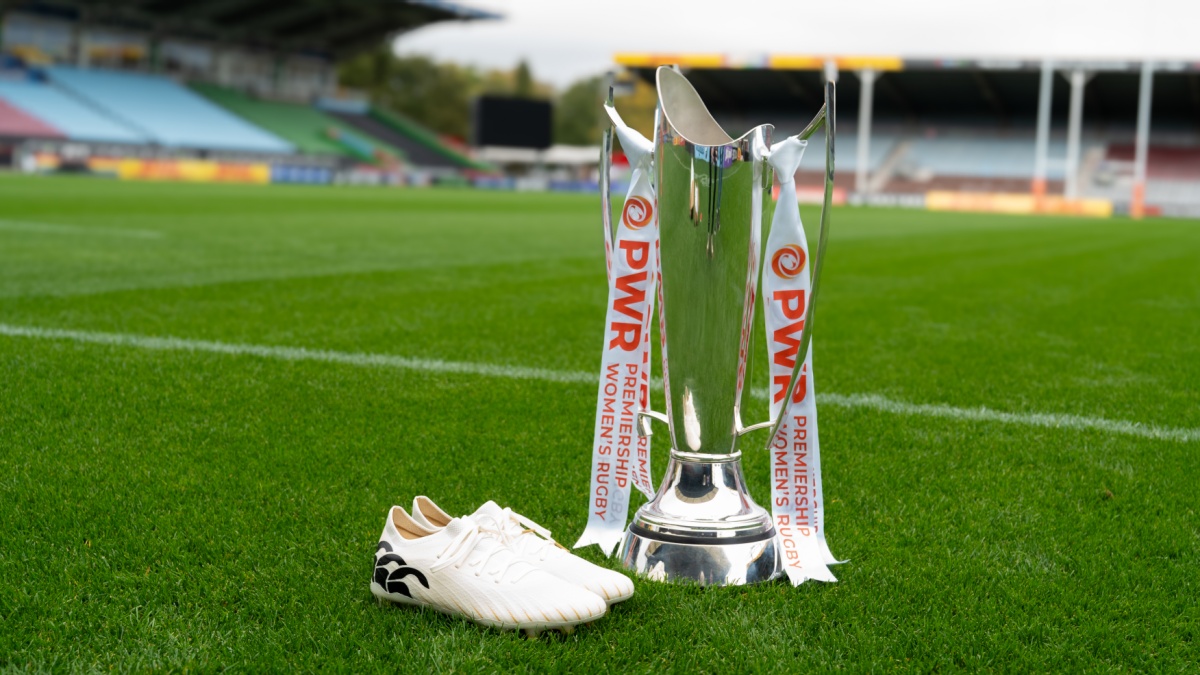
Leading the charge is Canterbury, which last week renewed its partnership with Premiership Women’s Rugby (PWR) for another two years.
Insider Sport sat down with Simon Rowe, SVP of Canterbury & Sports Marketing at Pentland Brands, to discuss why the brand is doubling down and why this partnership is about much more than virtue signalling.
Canterbury is the first brand to renew a commercial partnership with the PWR. What motivated that decision?

For Canterbury, renewing our partnership with the PWR was an easy decision. Equity and access are at the heart of our brand strategy as they’re part of how we measure success. As a rugby-born brand, we believe that every player, at every level, should have the opportunity to perform at their best.
In women’s rugby and women’s sport, we still see too many barriers, including the cost of quality kit – combined with the historic lack of investment in the game and this partnership allows us to tackle those issues. Our first motivation is to create genuine change and make the sport more equitable.
Looking back on the first year, what made the initial partnership successful, and what feedback from players or clubs stood out to you?
The biggest measure of success for us in year one was the feedback from the players themselves. Many of them are balancing the demands of elite performance with full-time work, and the ability to remove even small barriers, such as the kit they need to play, makes a real difference.
The partnership gave us direct access to the players we want to support, which is invaluable as we continue to refine our women’s supporting product ranges. From the start, our focus was on offering solutions and providing practical answers. And with everything, as trust has grown so has the partnership, and that gives us real confidence in where we can take it next.
Women’s football has moved from being “sold” on doing the right thing to being recognised as a commercial opportunity. How does Canterbury balance supporting women’s rugby with achieving clear business and commercial objectives through this partnership?
Supporting women’s rugby is about building long-term brand value in a sport that’s still finding its full potential. Even with the women’s game turning professional, it’s still in its infancy, and that’s what makes it exciting.
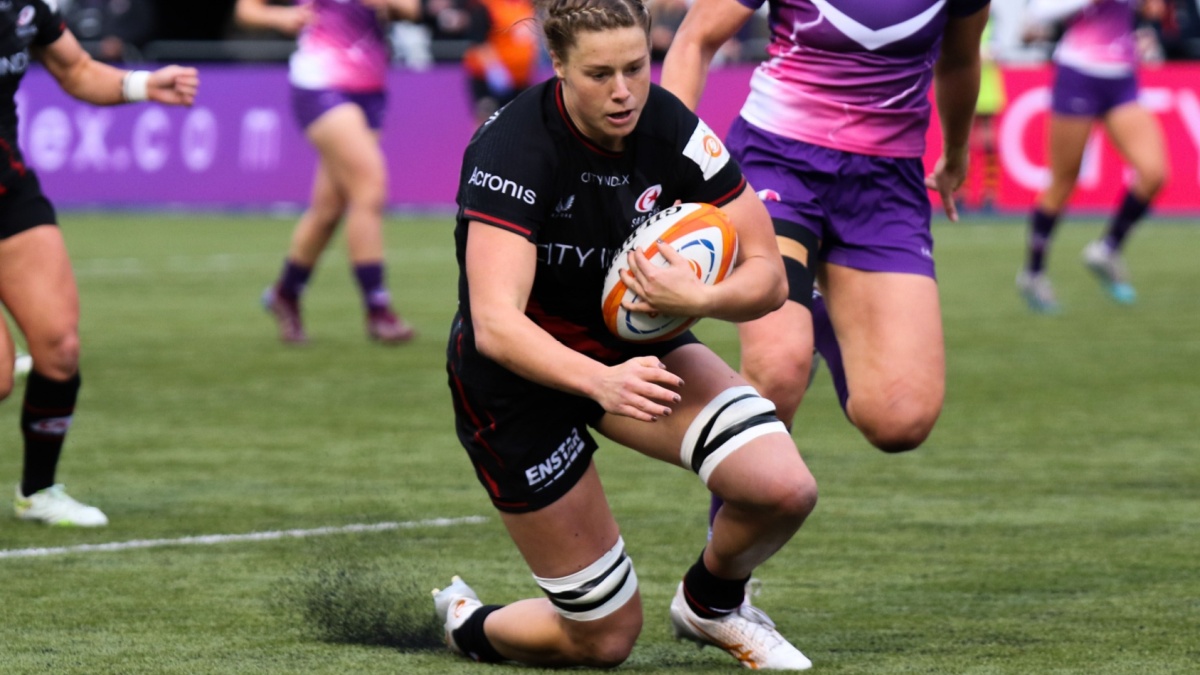
We’ve been part of rugby’s story from the beginning, with over 120 years in the game and now we’re proud to help shape its next chapter. The recent success of the Red Roses has created incredible momentum in the UK, and players like our long-term ambassador Ellie Kildunne are becoming true catalysts for the sport’s commercial growth.
We’ve already seen the influence of female players on purchase behaviour like when Eve Higgins and Anna McGann promoted the Irish Rugby fleece, it sold out within an hour. That shows the power and potential of women’s rugby, and our role is to keep building the profile that will sustain that growth for the long term.
The programme supplies boots and kit tailored to every player. How important is this practical support in helping athletes perform and in demonstrating Canterbury’s commitment to the sport?
Performance is at the core of who we are. Our job is to enable players to perform at their best, whatever their level or position. Every athlete is different, so we’ve made sure that the boots and apparel we supply are tailored to individual needs, including position-specific options for all players.
Seeing someone like Ellie Kildunne excel in our boots reinforces that we’re on the right path, but this programme really is about us offering solutions rather than about enforcing our products. Players choose to wear Canterbury because they trust the performance we’ve built over generations.
We’ve also added bespoke performance apparel to foster a sense of unity across the league, on and off the pitch.
What internal metrics or indicators does Canterbury track when deciding to invest in women’s sport and how did these influence the decision to renew?
As the women’s game continues its growth trajectory, the commercial value of investing in it will naturally follow. But our primary focus is on building brand equity which we do by driving perception, awareness and connection with audiences who see Canterbury as a rugby-born brand committed to progress.
Those are the indicators we look at first and from there, we can measure tangible outcomes like community growth, audience engagement and commercial sales, but all of this starts with authenticity and alignment that we feel no other brand can offer.
Honestly, it’s remarkable that in 2025 we’re still talking about inequity in the game. Our hope is that, in the near future, this won’t even be a conversation because rugby will simply be rugby, and investment will be equal and expected. Until that time comes, we’ll continue to shout loudly and lead by example
How do you see this partnership influencing Canterbury’s visibility and brand positioning, both in the UK and internationally?
The PWR has done an incredible job in such a short space of time in professionalising the women’s game. The product on the pitch is genuinely exciting being fast, skilful and ultimately competitive and it’s been matched by a brilliant culture off the pitch.
That energy has given the league its own identity and made it a compelling watch, both in the stands or following from home on TV. It’s clear that as the quality of the competition grows, so too will its audiences and with that, the visibility of partnerships like ours naturally increases. The traditional sponsorship rights gain even greater value when they’re connected to something that’s building genuine momentum.
Being part of that evolution strengthens our position as a leader in rugby and as a brand that backs progress in the sport.
Looking ahead, what are your goals for the next two years of this partnership and how do you plan to build on last season’s momentum?
Our focus is on deepening our relationship with both players and fans because they are the true community at the heart of the game. We want to keep listening and understanding what barriers still exist around participation and physical activity, and to help remove them.
A key goal is to combine Canterbury’s voice with those of the players themselves, and continue what we have started by amplifying their stories and ensuring the next generation feels inspired and excited, and ultimately welcomed into the sport.
As we look ahead to the inaugural British & Irish Lions Women’s Tour in 2027, we see a real opportunity to help elevate the game further by supporting the growth of other nations to match England’s performance level.
What message do you hope this renewal sends to other brands, athletes and the wider rugby community about investing in and supporting women’s sport?
Canterbury is a brand born from rugby, and we have a responsibility to lead where we can and to show that equity and commercial success go hand in hand. Our hope is that others continue to see Women’s rugby as an opportunity and not as purely an obligation.
We believe that the more we all commit to building the women’s game now, the stronger rugby’s future will be for everyone. And until the day this isn’t even a conversation, we’ll keep investing and shouting loudly for progress.