


After months of litigation and public courtroom drama, NASCAR and two of its Cup Series teams are now attempting to reset their relationship
NASCAR has reached a settlement with 23XI Racing and Front Row Motorsports, drawing a line under a bruising antitrust dispute which exposed deep tensions over the sport’s economic model.
The agreement, confirmed in a joint statement published on December 11, ends litigation which had been heading towards a federal jury trial and introduces the prospect of “evergreen” NASCAR charters, a long-sought outcome for team owners seeking greater long-term security and asset value.
Financial terms of the settlement remain confidential. However, NASCAR confirmed it will issue an amendment to existing charter holders setting out updated terms for signature, which will include a form of evergreen charters, subject to mutual agreement.
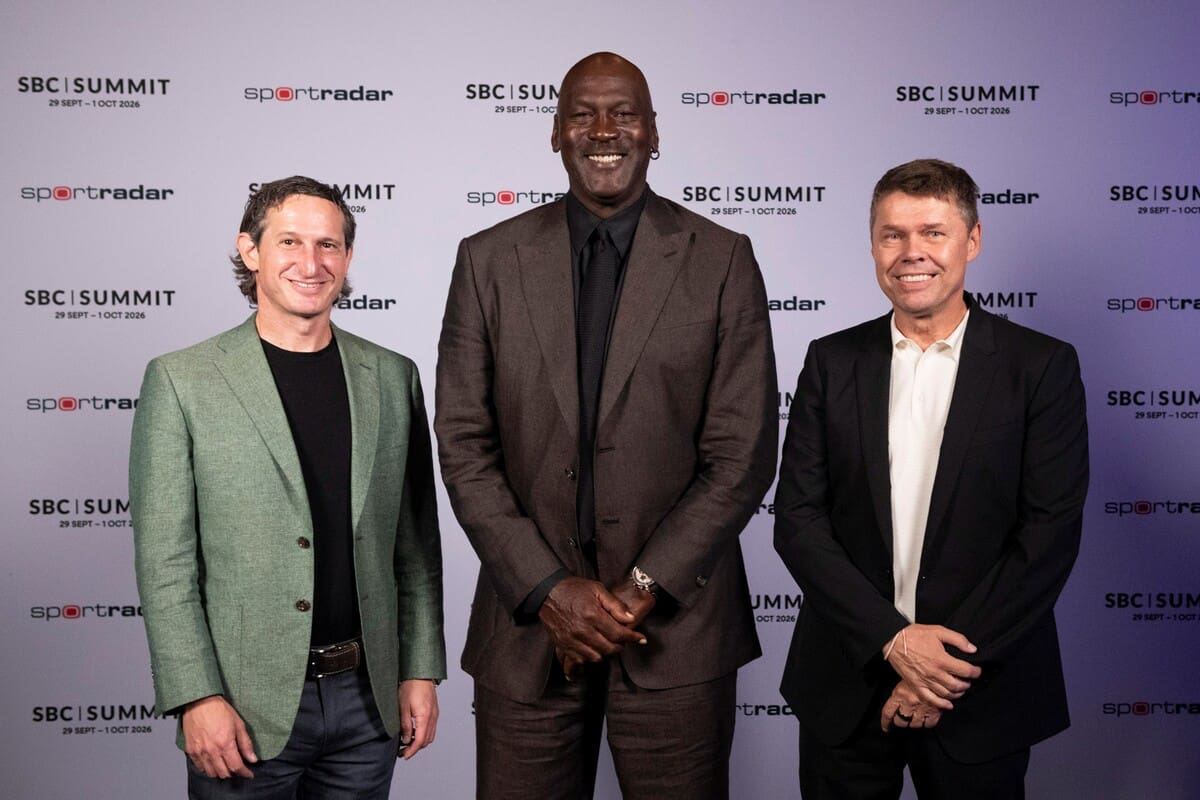
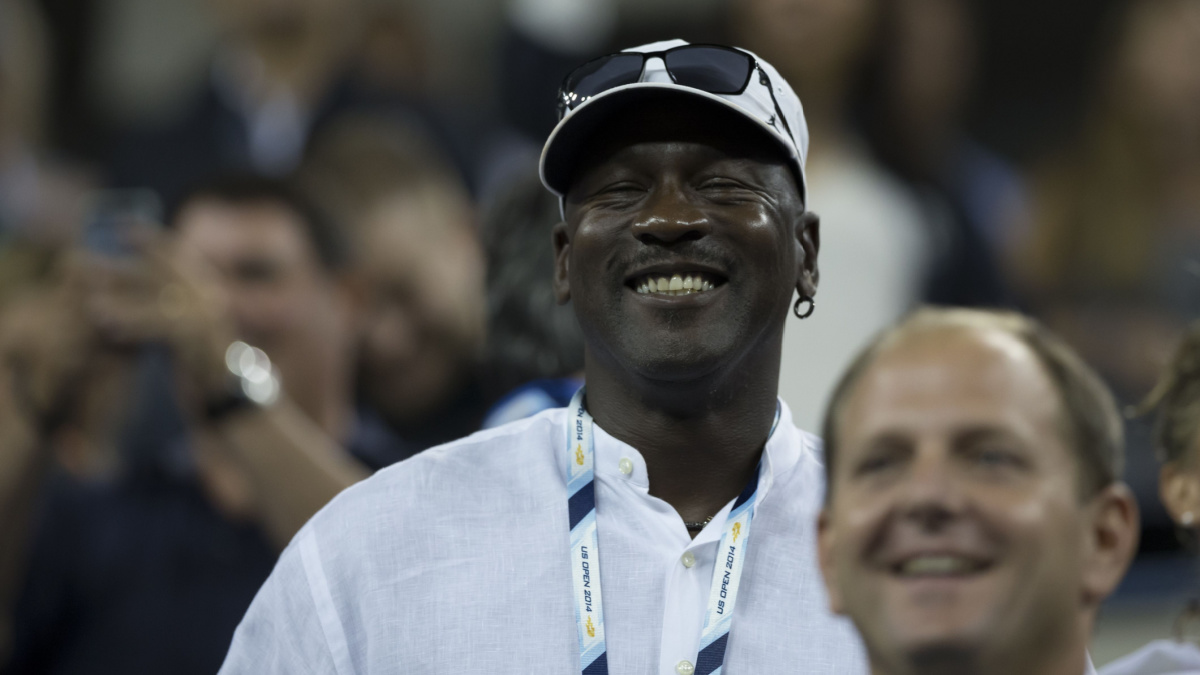
The settlement brings to a close a dispute which began when 23XI Racing, co-owned by Michael Jordan and Denny Hamlin, and Front Row Motorsports refused to sign NASCAR’s latest charter extension covering the 2025–31 period. Instead, the teams took NASCAR to court, alleging the sanctioning body wields monopoly power through the charter system and related contractual restrictions.
NASCAR has consistently denied those claims. In March 2025, it escalated the fight by filing a countersuit accusing the teams of unlawful collusion during negotiations and seeking the return of their existing charters, arguing that teams could not both sue the league and expect to retain guaranteed participation rights.
The case quickly spilled beyond legal filings and into the competitive calendar. A preliminary injunction initially allowed 23XI and Front Row to race as chartered teams, but that order was overturned by the US Court of Appeals for the Fourth Circuit in June, leaving both organisations to compete as “open” entries for much of the season, with reduced revenue certainty and no guaranteed starting spots.
Court hearings also lifted the lid on the tone of negotiations. At an August injunction hearing, discovery materials were aired publicly, including text messages attributed to senior NASCAR executives and to Jordan himself. Jordan later told reporters outside court that he was prepared to see the case through “for the betterment of the sport”, underscoring the significance of the dispute beyond a conventional commercial disagreement.
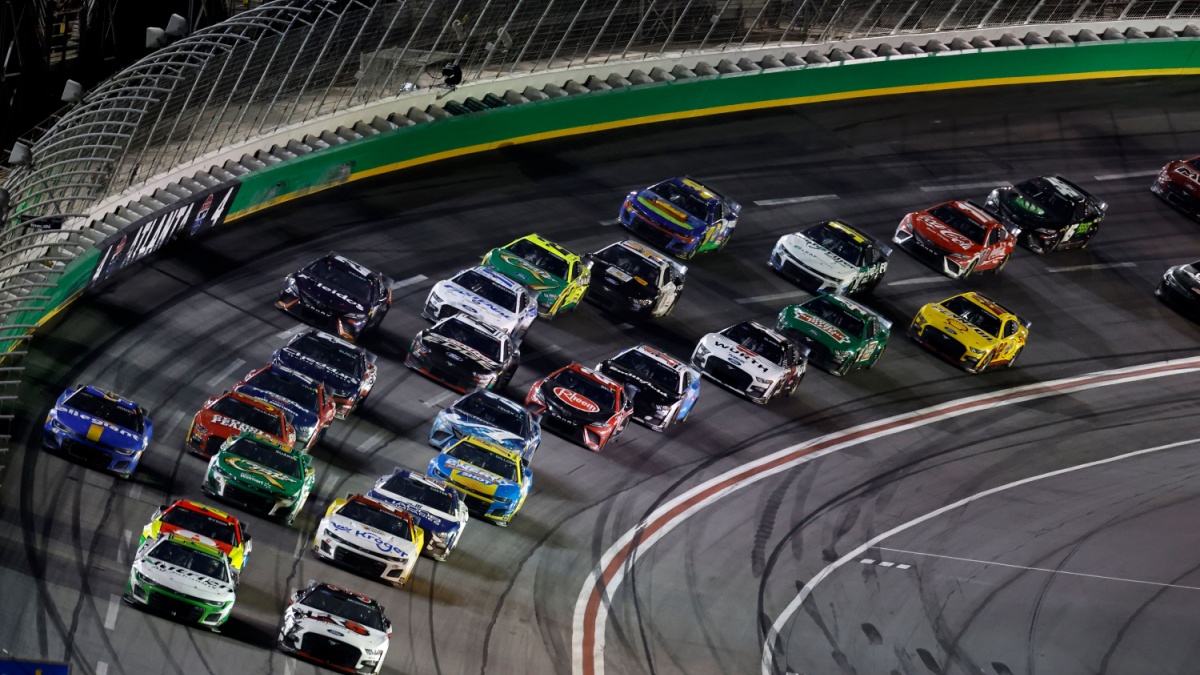
At the heart of the case was NASCAR’s charter system, introduced in 2016 to provide teams with greater financial stability and participation certainty. Thirty-six charters guarantee entry into each Cup Series points race and underpin team valuations, while non-chartered “open” teams must qualify and receive less predictable payouts.
The central question raised by 23XI and Front Row was whether those charters offer sufficient long-term security to justify continued investment, particularly when extensions are time-limited and subject to unilateral control by NASCAR. The reference to “evergreen” charters in the settlement statement suggests movement on that issue, although NASCAR has not yet disclosed how such terms would operate in practice.
In its statement, NASCAR framed the agreement as a reaffirmation of the charter system rather than a retreat from it. CEO and chairman Jim France said the settlement allows the sport to refocus on delivering “unforgettable racing moments” for fans, while preserving the value of a system he described as “invaluable” to teams and the quality of competition.
“This outcome gives all parties the flexibility and confidence to continue delivering unforgettable racing moments for our fans, which has always been our highest priority since the sport was founded in 1948,” he said. We worked closely with race teams and tracks to create the NASCAR charter system in 2016, and it has proven invaluable to their operations and to the quality of racing across the Cup Series.”
For teams, sponsors and investors, the significance of the settlement will depend less on the rhetoric and more on the detail of the amended charter terms now promised by NASCAR. Until those documents are issued, the deal represents a de-escalation rather than a full resolution of the commercial questions that brought one of the sport’s most powerful owners into open conflict with its governing body.
“From the beginning, this lawsuit was about progress,” Jordan said. “It was about making sure our sport evolves in a way that supports everyone: teams, drivers, partners, employees and fans. With a foundation to build equity and invest in the future and a stronger voice in the decisions ahead, we now have the chance to grow together and make the sport even better for generations to come.”
What is clear is that NASCAR has avoided a public jury verdict on its business model, while teams have secured concessions that could reshape the long-term economics of ownership. After months of legal brinkmanship, both sides are now positioning the settlement as a reset, with the 2026 season and February’s Daytona 500 looming as the moment the sport turns back to racing.