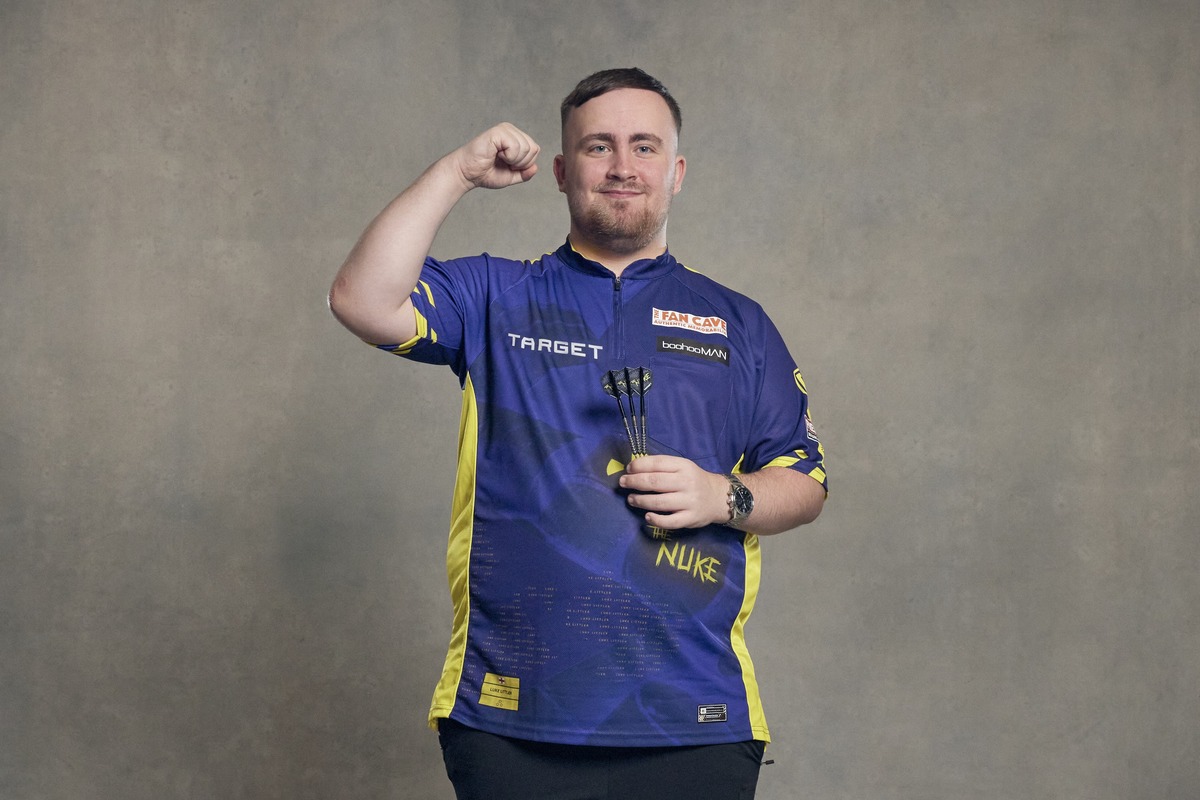



From Luke Littler to Anthony Joshua, Soapbox have worked alongside some of the UK’s most prominent sporting stars and rights holders, who continue to evolve in parallel with a sporting landscape being morphed by a new-generation of audiences and technology.
Rowan Wilkinson and Andy Bell, Co-Founders of Soapbox, have been directly involved in navigating this evolving landscape to deliver storytelling that mirrors the rise in superstardom of aforementioned athletes.
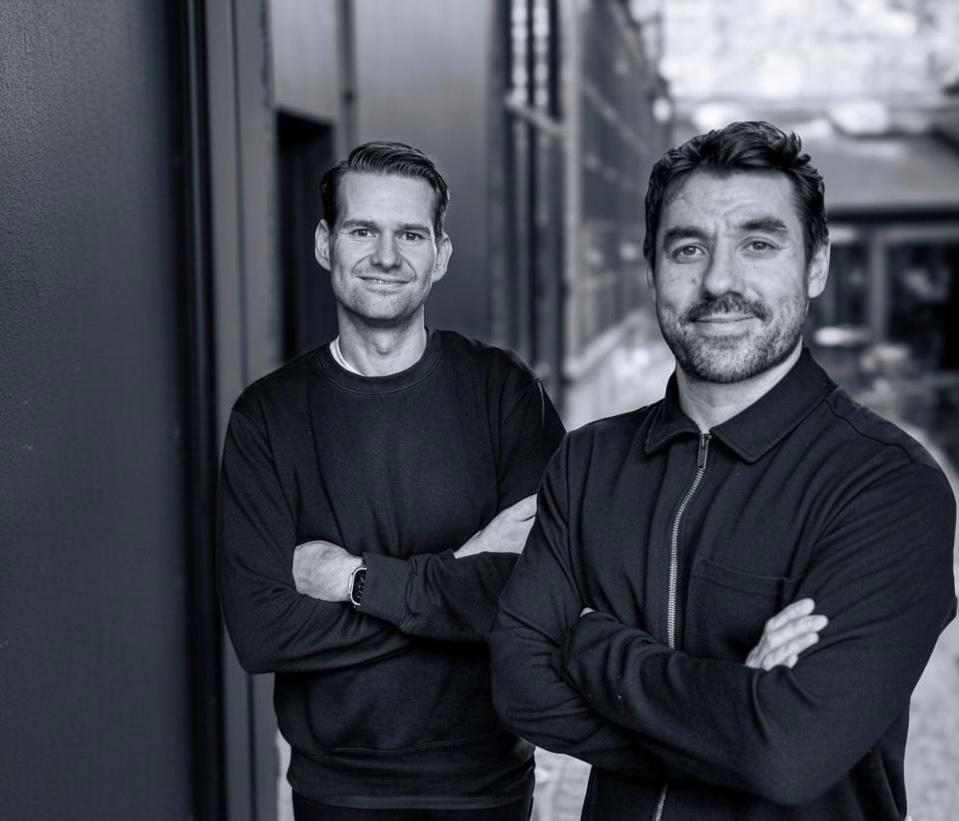
Writing for Insider Sport, Wilkinson and Bell reveal some of their key takeaways from 2025 and why talent, audience and disruption has encompassed how storytelling was made.
Rowan Wilkinson Co-Founder of Soapbox
From Euros and World Cup glory, to Rory McIlroy finally winning at Augusta, to new British World Champions in Formula 1 and Darts, 2025 has been a vintage year for British sport.
These jaw dropping achievements were only surpassed, in our minds, by something even more incredible. Soapbox this year celebrated its 10th year in existence and, to our eternal gratitude and pride, clients continue to stake their careers, reputations and budgets on what we think and deliver.
As we shake off imposter syndrome and crawl to the end of 2025, we therefore thought it the right time of year to assess the damage and dish out some unsolicited opinions and trends.
They may prove insightful and prophetic or, more likely, age like a Stuart Broad Ashes prediction, but we’ve taken a moment to reflect on what the last twelve months might mean for what lies ahead.
So, with our Chairman’s advice of “try not to sound like pretentious try-hards…or ChatGPT”
ringing in our ears, bear with us as we lay down some clunky, but authentically basic, observations of the moments and movements in 2025, that will set the trend for 2026.
The Death of Earned is greatly exaggerated
Over the past 12 months we’ve seen a noticeable shift towards rights holders and brands refocusing their marketing strategies on earned media. Earned media expertise was beginning to feel like a bit of a dying art but much to our satisfaction, this year has shown us that it’s never been more valuable. With audiences turning to AI as a source and becoming increasingly savvy, to paid influencer campaigns and the ability for anyone to just buy reach, the value of authentic editorial has grown significantly in 2025.
AI has undoubtedly been a key driver for change with platforms placing credible sources of information at the heart of the way they process data, rewarding earned coverage over paid media.
This, combined with misinformation flooding social platforms, means storytelling through credible third-party endorsement has become vital for any sport trying to reach new audiences, underlining increasingly that audiences cannot just be bought.
In a sporting context, earned storytelling around talent has been the lifeblood of many of the major campaigns we’ve worked on this year. From clients like Red Bull, Formula E, PDC and Matchroom Boxing, to upcoming challenger rights-holders like Baller League, they all recognise and understand that their most important assets are the human stories of their athletes/key talent.
Connect with both core and new audiences through these stories, and the true fandom will follow.
The Littler Effect
A natural follow-on from our first point – homegrown, generational talent remains the single most powerful, transcendental force in growing a sport beyond its core audience. But importantly, only if the foundations and ecosystem are already in place and ready to respond.
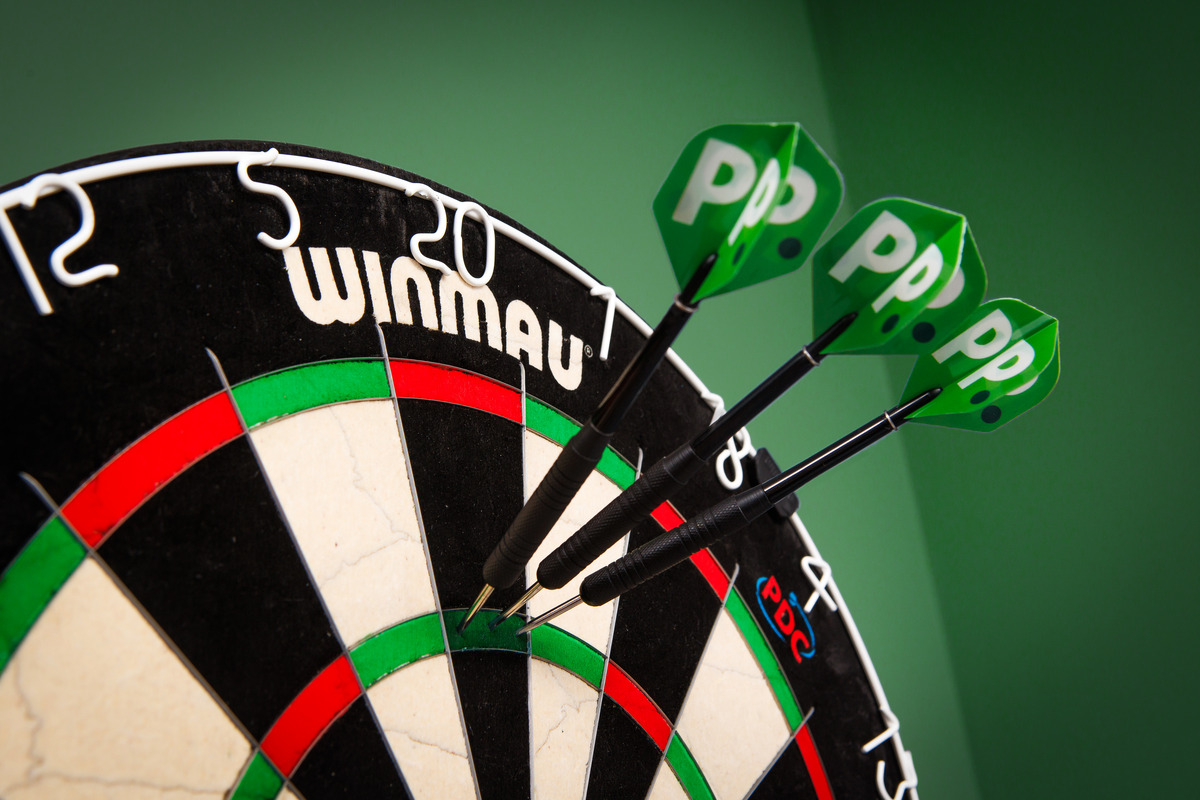
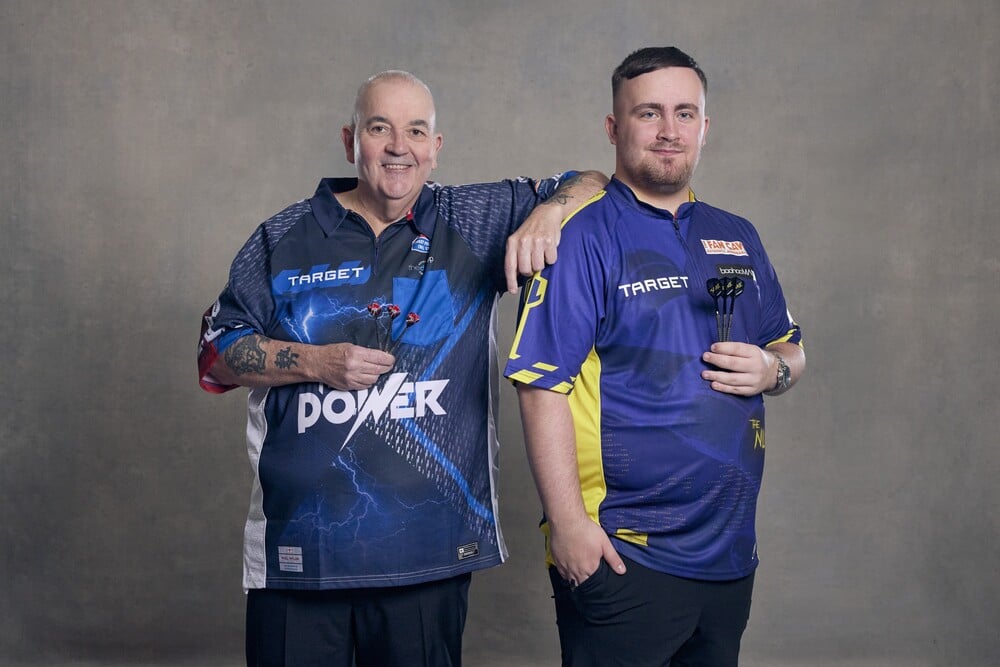
Nothing illustrates that better than the continued rise of Luke Littler and the explosion of darts.
What he has achieved already; world number one, youngest-ever world champion, Triple Crown winner – the list goes on – is nothing short of remarkable.
But the true significance of the “Littler effect” is that he arrived at exactly the right moment. Under Matt Porter’s leadership, the PDC had built an unbelievable product and turned the World Darts Championships into a British sporting institution. The sport was ready to explode and Luke was the fuel on the flames.
They’ve moved quickly to capitalise and the results speak for themselves. A £1m first prize at the World Championship. Record global audiences. Expansion into new territories. Explosive growth at grassroots level, with junior participation trebling in four years and academies now oversubscribed. Merchandise sales are also at unprecedented levels.
We are lucky enough to count both the PDC and Littler as clients and it’s been a privilege to take a front row seat. We were tasked with turning a breakthrough moment into lasting stardom for Luke, while continuing to protect a young athlete from the intensity of modern media scrutiny.
Wearing our other hat, it’s then been crucial to capitalise on Luke’s meteoric rise by showcasing the unique product and platform built by the PDC.
Andy Bell Co-Founder Soapbox London
Stream Power
Another defining shift this year has been the growing influence of streaming, most notably Netflix, on live sport. Representing Anthony Joshua around his fight with Jake Paul offered a literal ring side seat on how sporting events and delivery methods are evolving to suit the audience.
Netflix’s entry into boxing isn’t just about rights fees; it’s about global one-off moments. It’s about recognising that sport is now competing (and in many cases) dominating the wider entertainment economy. 60 million households tuned in to watch Jake Paul vs. Mike Tyson, breaking all records, and whatever you may think of the validity of the event itself you cannot deny the power Netflix has to deliver ‘must see’ events to a global audience.
For AJ, the results have been massive, not just commercially, but culturally, particularly in the US market. The event has dominated traditional and social media. Generating millions in earned media and even more in social engagement.
For the industry, the message is clear: platforms that understand narrative, access and personality will shape the future of live sport. 2025 has shown us that while formats, platforms and technologies evolve, the fundamentals endure. Talent matters. Audience matters more, and the sports that win will be the ones brave enough to adapt around both.
Embrace the Format Disruptors
We’ve seen a continued move towards sports and rights-holders engaging with audiences in new and innovative ways and it feels like we’re still only at the beginning of this trend.
Few properties capture this better than Baller League.
We started working with Baller League for their UK Season 2 and they are one of sport’s ultimate disruptors. Conceived during lockdown at a kitchen table, its ambition was to reimagine football for a generation that still loves the game, but consumes it differently.
Placing creators and well-known celebrities at the heart of the action, featuring 30 minute matches, “game changer” moments inspired by playground football, and a relentless focus on jeopardy and entertainment, it filled a genuine gap in the football ecosystem.
But format alone doesn’t explain its success. Distribution does. In just a few months in the UK, Baller League has averaged over two million live viewers per matchday and delivered nearly 600 million organic short-form views globally. It’s available on Sky Sports, but also free on YouTube and Twitch, watched alongside creators like AngryGinge, Miniminter and Sharky.
Formula E is another client who demonstrated their audience-first thinking to drive innovation.
Formula E’s EVO Sessions brought together a selection of the world’s biggest influencers including Mr Beast and Brooklyn Beckham, and let them all compete, unhindered, in GEN 3 EVO Formula E cars. It was another powerful and groundbreaking example of how format change and the creator economy can be harnessed to bring new fans into a sport.
Golf, too, continues to evolve. The shifting ecosystem driven by LIV Golf has forced the sport to confront questions around format and fan engagement. Working with Majesticks GC, we’ve seen first-hand how team-based storytelling, personality-led narratives and fan experience can help modernise a sport steeped in tradition without losing its core values.
However, attention is increasingly hard to ‘buy’ and true fandom demands something deeper.
It has to be earned. Earned through understanding. Earned through innovation. Earned through storytelling. The rights-holders, brands and platforms that thrive in 2026 will be the ones who, put simply, earned it.
Happy New Year from everyone at Soapbox.