













Melanie McGuirk and Ben Travers, Partners at Foot Anstey, consider the legal significance of high-profile athletes like Luke Littler and Cole Palmer expanding their trade mark portfolios
Increasingly, sports personalities are becoming brands, their reputation and image being a source of income. Like any brand, trade mark registration helps to protect that asset and creates opportunities to commercialise it, as well as to safeguard the brand from being commercially exploited or harmed by others.
Seeking a trade mark registration for their name is particularly good practice where high-profile athletes see value in their brand for revenue creation in gaming or merchandise ranges. The UK does not have a system of protectable ‘personality rights’ per se, but trade mark law allows well known individuals to register names and images as trade marks if they are distinctive for the goods and services in respect of which they are being registered.
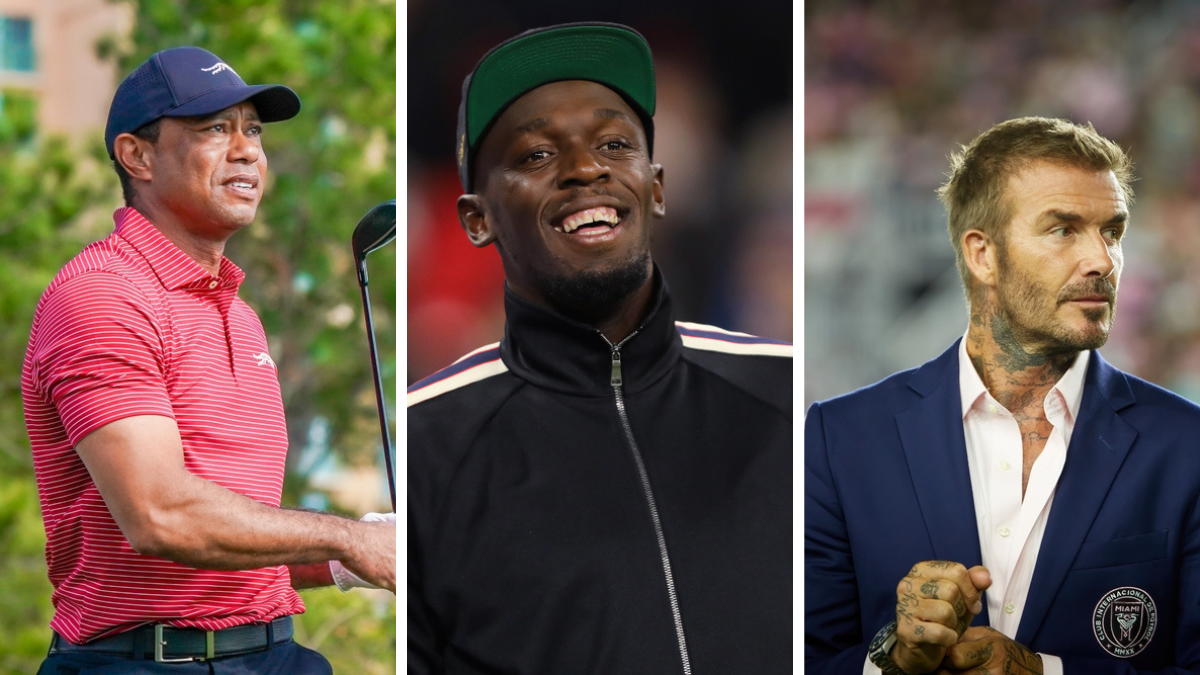
Most commercially savvy athletes will already have considered and sought protection for their name or nickname. Alan Shearer, David Beckham and Tiger Woods have long been doing so in relation to goods such as clothing, perfume and sports equipment. The footballer Kylian Mbappé owns an EU trade mark for his distinctive crossed-arms goal celebration and the former sprinter Usain Bolt owned an EU trade mark for his well-known lightning-bolt victory pose.
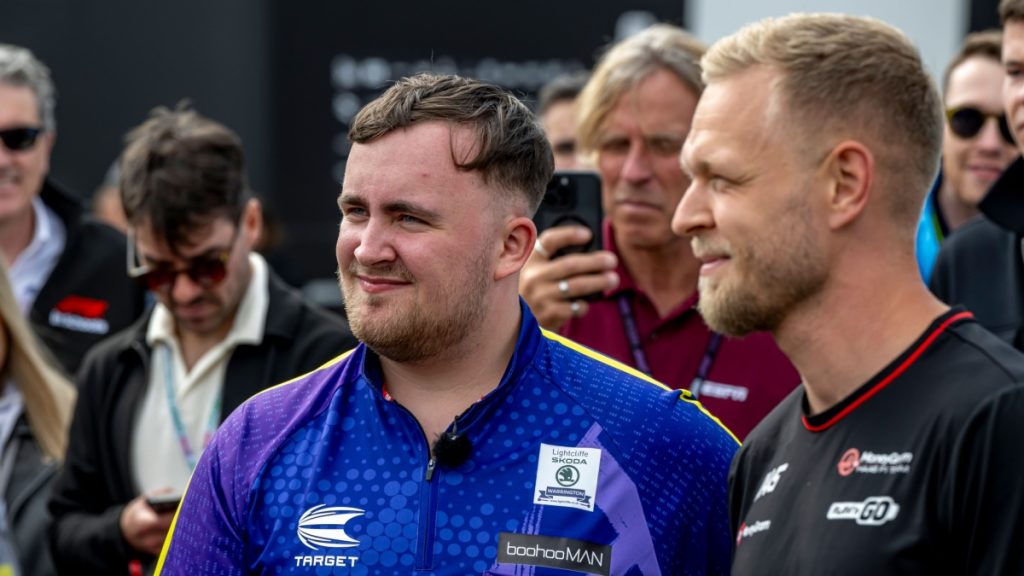
Luke Littler owns a number of registrations for his nickname ‘The Nuke” in relation to darts equipment and sportswear. Cole Palmer has registered each of his name, signature, a shivering arms logo and ‘Cold Palmer’ nickname in relation to various goods including in particular clothing, sunglasses and jewellery.
The primary driver for these trade mark registrations is likely to be value creation, in that registrations create a tangible aspect of a sports person’s brand which can then be licensed to commercial partners and monetised.
Littler and Palmer have also sought trade mark protection for images of their face, which is a new development in the expansion of athletes’ trade mark portfolios. The images comprise black and white close-up photographs of their faces, very similar to passport photos. This approach of registering as true a likeness of their face as possible is likely to have been carefully considered so as to provide the athletes with a method for tackling deepfakes or the unauthorised use of their digital replicas online, particularly the non-genuine endorsement of products.
The business strategy behind these trade marks
As we see a continued rise in e-sports and virtual games where a real-life person’s image may be replicated in the metaverse, we are likely to see an increase in the number of cases where personalities find their image used without their consent.
There are a number of tools available to help well known athletes protect their brand and image. In the UK these traditional rights are especially important as we don’t have a ‘personality right’ as such. At present there is a patchwork of legal remedies arising from trade marks, passing off, copyright, performers’ rights, data and the criminal law which could assist a well-known person to protect their commercial interests and challenge unauthorised digital replicas.
These existing tools are all currently being used to protect individual interests and to deter infringers, but they do not represent a silver bullet in terms of enforcement. Even if trade mark registrations are successfully secured by an athlete, their enforcement could be problematic and has not yet been tested in the courts. None of the rights which are currently available provide a complete answer to all of the abuses of a personal brand which can take place, particularly in relation to wider aspects of a personality’s brand such as their voice or mannerisms.
The impact of AI
AI makes it easy to create highly realistic digital replicas of a person’s voice, face or likeness. Digital replicas can deceive unsuspecting fans or cause reputational harm if they are offensive.
For example, since 2023 multiple AI generated advertisements and social media videos circulated online using AI generated images or videos of Lionel Messi and synthetic voiceovers mimicking his voice in order to promote gambling platforms, crypto schemes and mobile apps.
The state of play in the UK when it comes to ‘personality right’
The UK Government recognised in its recent report on copyright and AI in March 2026 that existing UK law does not provide comprehensive protection against non-consensual digital replicas, notwithstanding that there is significant cross sector support for stronger protections for a person’s image and voice.
There is a push amongst stakeholders for a new ‘personality’ right specifically to protect a person’s likeness, appearance, silhouette, face, mannerisms and voice. The All-Party Parliamentary Group on Music has recommended such a right to safeguard artists from misappropriation and false endorsement, protecting voice, image, name and likeness. Equity has called for the introduction of image rights that restrict the unauthorised use of persona, so that an artist’s performance cannot be reproduced by AI without consent.
The Government has indicated it will explore options for addressing AI-enabled impersonation, including whether the UK should introduce a new “digital replica” or personality right, as well as looking at how far such a right should extend and whether it should include voices, faces and mannerisms, and how it needs to balance protection against legitimate innovation and creative uses.
As a person’s public identity becomes more and more well known, their brand becomes increasingly monetisable, whether by themselves or others in an unauthorised and more nefarious way. Lobbying from the sports and entertainment industries may apply pressure for a ‘personality’ right to be created, so that an athlete’s physical identity can be fairly protected and exploited as a commercial asset.