AC Milan’s deal with Coca‑Cola took more than seven years to close, Matteo Signorini has disclosed, highlighting the growing complexity of elite football partnerships.
Long‑term, relationship‑driven partnerships are becoming essential to football’s commercial landscape, and AC Milan Senior Sponsorship Sales Manager Matteo Signorini says the industry must adapt to that reality.
Speaking during a webinar hosted by the Sport Business Institute Barcelona, Signorini outlined how elite clubs are reshaping their sponsorship strategies and why some major deals now take years to complete.
Signorini, who has held commercial roles at Inter, AS Roma, Atalanta and fashion brand Herno, used the session to outline how elite clubs are reshaping their commercial strategies, and why some major deals can take years to complete.
From the outset, he stressed that human connection remains the foundation of successful sponsorship. “For me the most important thing first of all is to get to know each other… at the centre of everything for me there’s a strong relationship,” he said. Understanding a partner’s “dreams and desires” is, in his view, essential before any commercial negotiation begins.
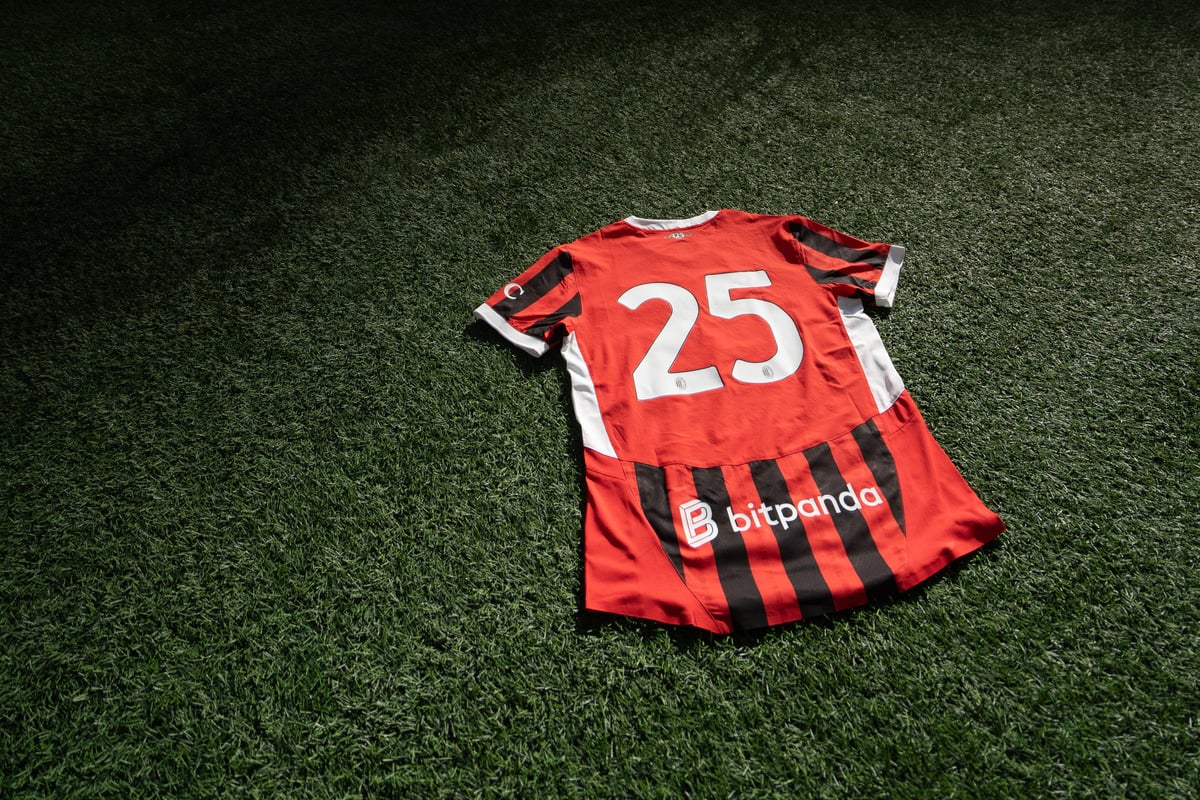
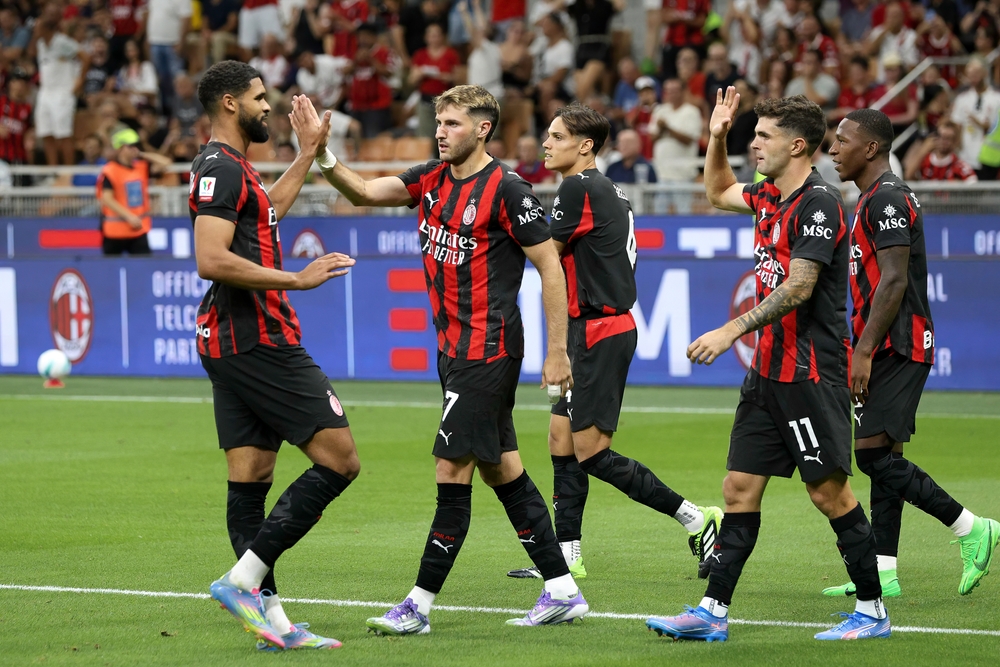
This philosophy underpins AC Milan’s focus on renewals and long‑term agreements. Signorini noted several of the club’s principal partners – including Emirates, MSC and Bitpanda – originally joined as premium partners before growing into more prominent positions. “We want to grow together with our partners,” he said, emphasising the club’s commitment to multi‑year collaboration.
Seven years to sign Coca‑Cola

One of the most revealing insights came from Signorini’s long pursuit of Coca‑Cola, which joined AC Milan’s commercial roster this season. He explained that discussions began almost a decade ago during his time at Inter.
“Sometimes people ask me how long does it take for you to make a partnership… it can take years,” he said. On Coca‑Cola specifically, he added: “Seven and a half… seven years ago we started thinking about how to bring back Coca‑Cola to the clubs in Milan.”
Attempts were made again during his tenure at AS Roma, but “it was not the right time.” Only after returning to AC Milan did the timing, strategy and brand priorities finally align.
For Signorini, the agreement was both a professional milestone and a personal ambition realised: “We realised this… my personal dream to finally have Coca‑Cola as a partner.”
How AC Milan structures its commercial operation
Signorini also outlined how AC Milan’s sponsorship department is organised to support long‑term value creation. The club operates with three interconnected teams: strategy, sales/new business, and account management.
The strategy unit plays a central role in shaping commercial direction, focusing on “research and insight, data analysis and understanding where our club has to move.” This intelligence informs the sales team’s outreach and the account team’s activation work.
Category exclusivity remains a core principle. “For us it’s extremely important to grant exclusivity to our partners… in a dedicated region there’s only one partner belonging for each category,” Signorini said. Regional rights, meanwhile, allow brands to activate only in markets where they operate — a model increasingly adopted by global clubs.
Case studies: eBay and TIM
Signorini highlighted two additional partnerships that shaped his commercial approach.
At Inter, he worked on the club’s first sleeve sponsorship with eBay – a deal he described as “really interesting to work on and make it to life.” The debut match featuring the eBay sleeve came against Napoli, which he recalled as “a kind of sleeve brands derby” because Napoli wore Amazon on their shirt.
At AS Roma, he helped secure TIM as the front‑of‑shirt sponsor for the women’s and youth teams. The partnership was built around shared values, particularly youth development and women’s empowerment. Roma, he noted, is a club that “really believed and believes in the dreams of their young generations.”
A human‑centric future for football sponsorship
Reflecting on his career, Signorini said his progression – from hospitality to sponsorship, and from club side to brand side – was driven by curiosity and a desire to understand how partnerships work from every angle.
Across the webinar, he returned repeatedly to the human element behind commercial success. “Companies are made by dreams… by the ambition of the people that are part of these companies,” he said.
For Signorini, aligning with those ambitions, and building relationships that last, is what defines modern football sponsorship.
You can watch the full webinar here.