



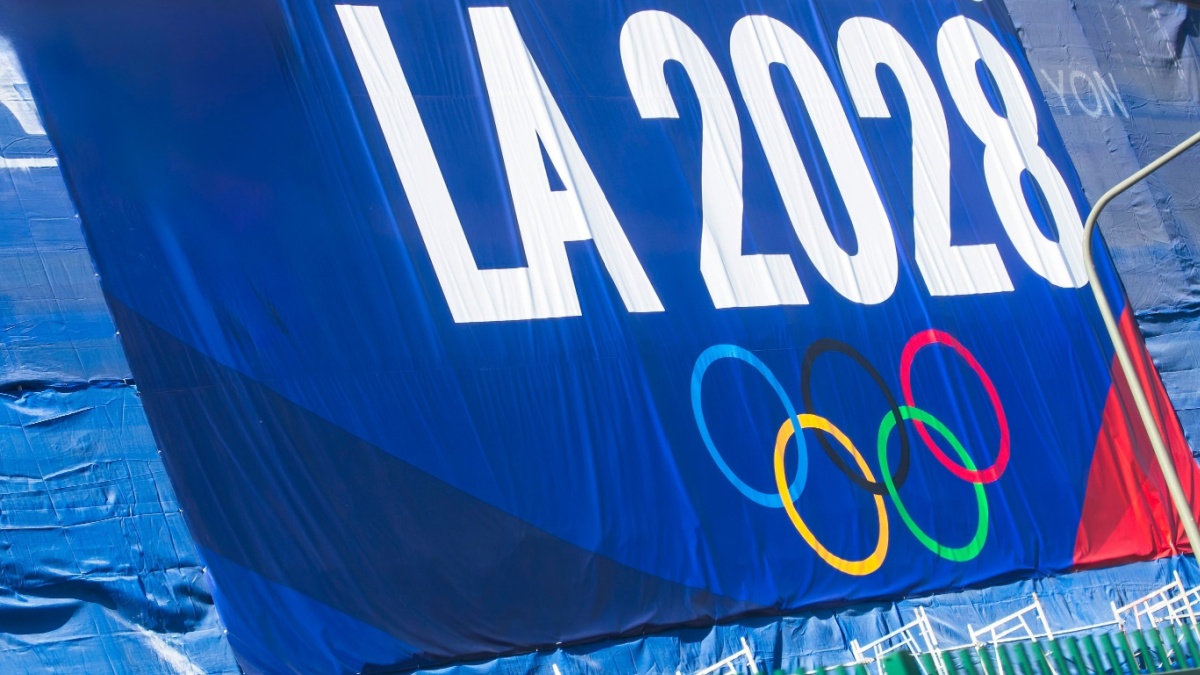
LA28 has already topped $2bn in domestic sponsorship, overtaking Paris 2024 and closing in on Tokyo’s record as blue-chip brands like Google, Intuit and Starbucks join the portfolio.
Los Angeles’ 2028 Olympic and Paralympic Games have passed the $2 billion mark in domestic sponsorship, putting the event on course to be one of the most commercially lucrative in Olympic history and intensifying scrutiny on how far the Games can lean on private money.
Reuters reported on December 4 that LA28 chairperson Casey Wasserman said that “surpassing $2 billion in sponsorship more than two-and-a-half years before the LA28 Games arrive is confirmation of our strong position and progress toward delivering a fiscally responsible yet epic event.
The organising committee is working to a budget of around $7 billion, funded largely through sponsorship, ticketing, hospitality, licensing and IOC contributions, rather than direct taxpayer funding. Organisers have consistently signalled that they are targeting about $2.5 billion in sponsorship and licensing sales by 2028.
How LA28 compares with Paris, Tokyo and London
The $2 billion landmark immediately invites comparison with recent host cities.
- Paris 2024: Domestic sponsorship for Paris reached about $1.44bn (€1.24bn) in rights fees and value in kind, above an initial target of €1.1 billion. Several business and sports outlets have already noted that LA28 has overtaken Paris’ sponsorship take more than two years earlier in its own cycle.
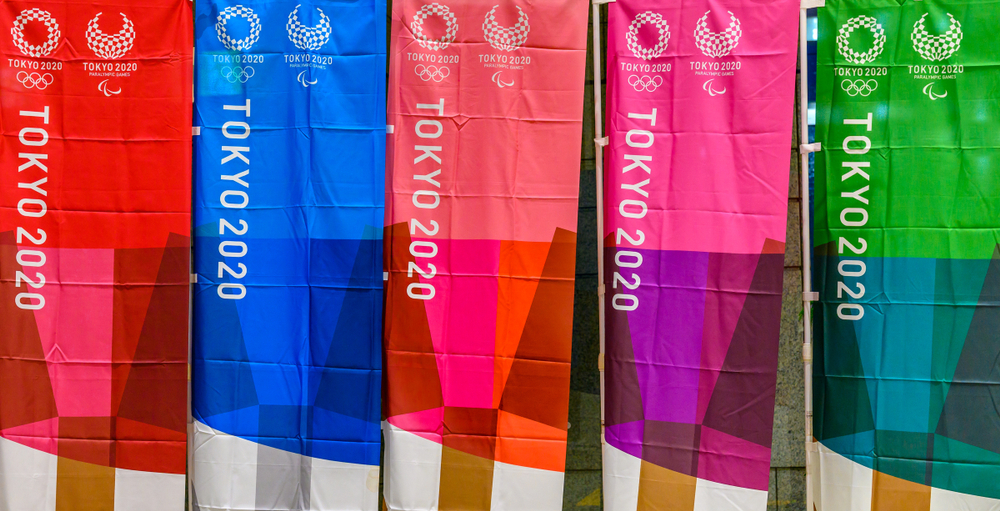
- Tokyo 2020: The high-water mark for domestic sponsorship remains Tokyo, where the organising committee generated over $3.4 billion from local sponsors. That was nearly three times London 2012’s total and is widely cited as the most commercially successful domestic sponsorship programme in Olympic history.
- London 2012: Before Tokyo, London held the record with roughly $1.1 billion in domestic sponsorship revenue.
In simple terms, LA28 has already cleared Paris’ domestic sponsorship total and sits comfortably ahead of London’s benchmark, but still has some way to go before matching Tokyo’s figure. With several top-tier categories still open and a formal target of $2.5 billion, LA’s final sponsorship tally will help define whether Tokyo remains an outlier or the new normal for Olympic commercialisation.
The model is explicitly rooted in the city’s 1984 Games, which were privately financed, relied heavily on corporate sponsorship and existing venues, and ended with a surplus of more than $225 million that seeded the LA84 Foundation. LA28’s leadership has framed the current budget in similar terms, promising a surplus and minimum exposure for local taxpayers.
A sponsor roster built around global consumer giants
LA28’s sponsorship portfolio blends the IOC’s Worldwide Olympic Partners with a growing roster of local and US-focused commercial backers.
At the top of the tree sit the Worldwide Olympic Partners, whose rights span multiple Games and the wider Olympic Movement. For LA28 this group includes:
- AB InBev (Michelob Ultra), the Games’ beer partner through the IOC’s global agreement
- Airbnb, worldwide unique accommodations partner
- Alibaba Group, worldwide e-commerce platform partner
- Allianz, worldwide insurance partner
- Coca-Cola / Mengniu, non-alcoholic beverage and dairy partner, celebrating 100 years of Coca-Cola’s Olympic association in 2028
- Deloitte, worldwide management consulting partner, also advising LA28 on digital and operational delivery
- Omega, official timekeeper
- Procter & Gamble (P&G), personal care and household products partner
- Samsung, worldwide smartphone partner
- TCL, home AV and appliances partner
- Visa, worldwide payment technology partner
Layered on top of that IOC portfolio is a cluster of LA28 “founding partners”, the top domestic tier that has driven much of this year’s commercial growth. According to LA28, that group now includes Google, Intuit, Honda, Starbucks, Delta Air Lines, T-Mobile US and Comcast, alongside the USOPC’s broader commercial joint venture, U.S. Olympic and Paralympic Properties. Reuters+2Reuters+2
These founding partners have more than just logos at stake; Intuit’s deal, for example, includes retaining the Intuit Dome name for the LA Clippers’ arena during the Games, while Honda and Comcast will also see their brands carried into official venue names under an IOC pilot scheme that relaxes the traditional “clean venue” policy. The move is designed to open up incremental revenue in a US market where corporate naming rights are deeply embedded in the stadium economy.
Below that, LA28 has begun to flesh out its official partners and supporters, many of which were confirmed on the organising committee’s partners page and in recent announcements. These include:
- AECOM as official venue infrastructure partner
- Cisco as official network equipment partner
- Sunbelt Rentals as rental equipment solutions and services partner
- Fanatics as official licensee and e-commerce operator
- Eli Lilly as official prescription medicine partner
- Nike and Ralph Lauren as outfitters
- Uber as rideshare and on-demand delivery partner
- AXS and Eventim as official ticketing providers
- On Location as official hospitality provider
A long tail of official supporters and licensees rounds out the programme, ranging from Archer (air taxis) and Autodesk (design and make platform) to Dick’s Sporting Goods, Hershey, Saatva, Oakley and Skims, which hold rights in categories such as retail, confectionery, mattresses, eyewear and apparel. These deals collectively underpin merchandising, retail and experiential activations around the Games.
A test case for the next era of Olympic commercialisation
Financially, LA28’s early progress underscores how dependent the modern Olympic model has become on private capital. Domestic sponsorship and licensing are expected to be the single largest revenue line for the organising committee, ahead of ticket sales and hospitality, with the IOC’s own media and TOP contributions sitting alongside.
Commercially, the Games will be watched closely by future hosts such as Brisbane 2032, not only for the headline sponsorship total but also for LA’s more aggressive use of naming rights and its strategy of using existing venues to control costs.